

Introduction
Celiac disease symptoms are often vague, subtle, and can easily be mistaken for other digestive issues like IBS or lactose intolerance. As a licensed physician and medical educator, I’ve seen countless patients struggle for years before realizing that their chronic bloating, fatigue, or unexplained anemia were a symptom of an autoimmune disorder rather than a common food sensitivity.
Celiac disease isn’t just a “gluten problem.” It’s a systemic immune condition that damages the small intestine and interferes with the absorption of nutrients. What makes it especially challenging is how it manifests differently in each person some experience severe digestive distress, while others just feel tired or moody.
In this article, I’ll walk you through the symptoms of celiac disease that you should never ignore, how to recognize hidden symptoms early, and when to talk to your doctor. My goal is to empower you with clear, reliable, and compassionate medical information so you can confidently take care of your gut and your overall health.
What are the symptoms of celiac disease?
Symptoms of celiac disease include chronic diarrhea or constipation, bloating, abdominal pain, fatigue, anemia, weight loss, and skin rashes. Some people experience non digestive symptoms such as joint pain, depression, infertility, or mouth ulcers. Because symptoms of celiac disease vary widely, even patients who do not have obvious intestinal problems may have hidden intestinal damage.
Early detection through blood tests and intestinal biopsies can help prevent long term complications such as osteoporosis and malnutrition. (Sources: CDC, Mayo Clinic)
What is celiac disease and why does it occur?
Celiac disease is an autoimmune disorder that occurs when your immune system reacts abnormally to gluten a protein found in wheat, barley, and rye. Instead of digesting gluten normally, the immune system mistakenly attacks the lining of the small intestine.
Over time, this leads to villous atrophy the flattening of the intestinal villi that absorb nutrients. The result? Your body struggles to absorb vitamins, minerals, and energy from food, even when your diet appears healthy.
Read more: [Good Foods for Celiac Disease]

Common Symptoms of Celiac Disease in Adults
Many adults with celiac disease are diagnosed years after symptoms begin. The symptoms of celiac disease in adults often mimic other digestive conditions like IBS or lactose intolerance, which can delay diagnosis.
Digestive Symptoms of Celiac Disease
- Chronic diarrhea or constipation: Frequent loose stools or persistent constipation are prominent symptoms.
- Abdominal pain and bloating: Gluten triggers inflammation, resulting in pain and excessive gas.
- Fatigue after eating: Nutrient deficiencies can cause fatigue and lethargy after eating.
- Unexplained weight loss: Even with a normal diet, weight loss is due to poor absorption of nutrients.
Doctor’s insight:
In my practice, I have seen patients treat “IBS” for years, only to find that eliminating gluten completely resolved their problems.
Read more: [Foods that relieve gas and bloating]
Celiac disease symptoms in children
Celiac disease symptoms in children is different than adults. Their symptoms can be more obvious or sometimes completely silent.
Celiac disease Symptoms in Children include:
- Failure to Make Growth Goals: Poor growth despite adequate nutrition.
- Irritability and mood swings: Due to malnutrition and vitamin deficiencies.
- Chronic diarrhea: Especially after eating foods containing gluten.
- Delayed puberty: Nutrient deficiencies can affect hormone production.
- Tooth enamel defects: Thin or discolored tooth enamel is a lesser known symptom.
(Source: CDC, 2023)
Hidden or “silent” celiac disease symptoms
Some people experience non digestive symptoms, which makes celiac disease difficult to recognize.
Unusual but important symptoms
- Anemia: Due to poor absorption of iron or folate.
- Bone or joint pain: Linked to calcium and vitamin D deficiency.
- Skin rash (Dermatitis Herpetiformis): Itchy, blistering rash on the elbows, knees, or scalp.
- Mouth ulcers: Recurrent aphthous ulcers are common.
- Depression and anxiety: Chronic inflammation affects serotonin pathways.
- Numbness or tingling: Due to nerve damage from vitamin B12 deficiency.
Doctor’s perspective:
Patients are often surprised that a “gut condition” can cause depression or neuropathy. But when your intestines stop absorbing nutrients, every system in your body feels the impact.
How Celiac Disease Symptoms Differ by Gender.
In Women
- Irregular Menstruation or Infertility
- Early Menopause
- Persistent Fatigue and Hair Loss
- Iron Deficiency Despite Supplements
In Men
- Low Testosterone Levels
- Reduced Muscle Mass and Stamina
- Erectile Dysfunction in Chronic Cases.
(Source: PubMed Clinical Study, 2022)
Neurological and Psychological Symptoms
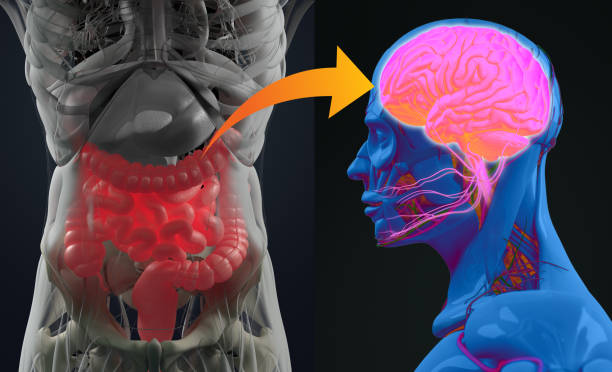
Celiac disease doesn’t just affect your gut it can also affect your brain and nerves.
Chronic inflammation and nutrient deficiencies (especially B12, D, and iron) can affect cognitive and emotional health.
Neurological Symptoms
- Brain fog and memory problems
- Balance or coordination problems (gluten ataxia)
- Peripheral neuropathy, tingling or numbness in the hands and feet
Psychological Symptoms
- Depression and anxiety
- Mood swings
- Difficulty concentrating
A 2020 PubMed study found that 22% of untreated celiac patients experienced neurological complications, many of which improved after adopting a gluten-free diet.
Read more: [Natural remedies for celiac disease]
Skin and hair changes in celiac disease
Dermatitis herpetiformis
This rash appears as small, itchy blisters usually on the elbows, knees or scalp. It is caused by immune complexes that react to gluten in the skin.
Thinning hair and dry skin
Nutritional deficiencies affect hair follicles and collagen production. Once the gut heals with a gluten-free diet, hair and skin often improve within months.
Long term consequences of ignoring symptoms
Leaving celiac disease untreated can lead to serious health risks:
- Osteoporosis: Due to chronic calcium and vitamin D deficiency.
- Infertility: Hormonal imbalances and poor nutrition affect fertility.
- Nerve damage: Long-term vitamin B deficiency.
- Increased risk of cancer: Especially intestinal lymphoma.
- Autoimmune disorders: Such as thyroid disease or type 1 diabetes.
(Sources: Mayo Clinic, 2024; CDC, 2023)
Doctor’s Tip:
Even if symptoms seem mild, untreated celiac disease silently damages your small intestine. Early diagnosis protects your future health.
How to confirm a celiac disease diagnosis.
Step 1 – Blood tests
Common tests include:
- tTG-IgA (Tissue Transglutaminase Antibody), The most accurate initial test.
- EMA (Endomysial Antibody), Used to confirm the diagnosis.
- Total IgA, Rules out IgA deficiency.
Step 2 – Bowel biopsy.
If blood tests are positive, your doctor may recommend an upper endoscopy to assess intestinal damage.
Step 3 – Genetic Testing
The HLA-DQ2 and HLA-DQ8 genes are found in almost all people with celiac disease.
(Source: Mayo Clinic and PubMed, 2024)
Read more: [Celiac Disease Diagnosis]
The Gut Connection (Why Healing Begins in the Gut).
Your gut is like the root system of a tree when it is damaged, the whole body suffers.
A gluten-free diet allows the villi of the intestines to regrow, restoring nutrient absorption.
Supporting Gut Healing
- Eat a naturally gluten-free diet such as rice, quinoa, potatoes, and vegetables.
- Include probiotics and fiber rich foods to restore gut balance.
- Avoid cross contamination by using separate utensils for gluten-free foods.
Read more: [Gluten-free foods]
(WHO Nutritional Guidelines for Celiac Patients, 2023)

Case example (Maria’s story)
Maria, a 32 year old teacher, came to me complaining of fatigue, bloating, and mild depression. Her lab reports showed iron deficiency, but her diet was balanced.
After celiac screening, she tested positive for tTG antibodies. Within three months of going gluten-free, her energy returned, her mood improved, and she finally felt “like herself again.”
Her story reminds us that celiac disease symptoms aren’t always dramatic sometimes, they whisper before they scream.
Living with Confidence After a Diagnosis
Managing celiac disease is about more than just avoiding gluten it’s about reclaiming your health.
Practical Tips
- Always check food labels.
- Plan gluten-free meals ahead of time.
- Join support groups for recipes and motivation.
- Recheck your nutrient levels annually.
(CDC Patient Guide, 2023)
The Bottom Line: Take Control of Your Gut Health
The symptoms of celiac disease can be deceiving sometimes obvious, sometimes hidden. But early recognition is your best defense against long-term complications.
If you suspect you have celiac disease, don’t self diagnose. Consult a healthcare professional for accurate testing and guidance.
Call to Action:
If you’ve experienced unexplained fatigue, bloating, or anemia, share your story in the comments or reach out for professional advice. Your journey may help others recognize the early signs of celiac disease and reclaim their health.
References:
FAQS
No. Gluten intolerance doesn’t cause immune damage, while celiac disease does. The treatment (gluten-free diet) may overlap, but the underlying mechanism differs.
Yes. Some people only experience fatigue, anemia, or depression without any gut problems. This is called silent celiac disease.
Symptoms may start within hours or may be delayed for days. The immune reaction causes both immediate and long-term inflammation.
Most people notice improvement within 2–3 weeks. Complete intestinal healing may take 6–12 months, depending on severity.
Avoid all foods containing wheat, barley, rye, malt, and most processed sauces or soups unless labeled gluten-free.
🧑⚕️ About the Author
Dr. Asif, MBBS, MHPE
Dr. Asif is a licensed medical doctor and qualified medical educationist with a Master’s in Health Professions Education (MHPE) and 18 years of clinical experience. He specializes in gut health and mental wellness. Through his blogs, Dr. Asif shares evidence-based insights to empower readers with practical, trustworthy health information for a better, healthier life.
⚠️ Medical Disclaimer
This blog is intended for educational and informational purposes only. It is not a substitute for professional medical advice, diagnosis, or treatment. Always seek the advice of your physician or another qualified healthcare provider with any questions you may have regarding a medical condition. Never disregard or delay medical advice based on content you read here.
Leave a Reply