

Introduction
Causes of hypothyroidism are often overlooked until symptoms become severe. Women often experience fatigue, weight gain, hair loss, and mood swings but dismiss them as stress or aging. As a physician, I have encountered numerous patients who endured years of subtle symptoms before being properly diagnosed.
Globally, hypothyroidism affects 5-8% of adult women, significantly more than men (American Thyroid Association, 2023). Yet many remain undiagnosed, which can lead to complications such as infertility, heart disease, and severe metabolic slowdown.
In this article, we will explore the causes of hypothyroidism, from the most common triggers like autoimmune disease and iodine imbalance to rare conditions such as subacute thyroiditis, infiltrative disorders, and Riedel’s thyroiditis. We’ll also discuss how these causes affect women differently, the impact on children, and provide unique insights from a physician’s perspective to help you understand, identify, and manage this condition effectively.
What are the causes of hypothyroidism?
Hypothyroidism occurs when the thyroid gland produces insufficient thyroid hormones, slowing metabolism and affecting multiple body systems. Common causes include autoimmune disease (Hashimoto’s thyroiditis), iodine deficiency or excess, certain medications, and congenital factors. Other causes include genetic predisposition, hormonal fluctuations in women, and thyroid surgery or radiation. Rarer causes include pituitary or hypothalamic disorders. Understanding these causes helps identify individuals at risk, allows for early testing with TSH and free T4, and guides effective treatment to prevent complications such as heart disease, infertility, and severe fatigue.
10 Hidden Causes of Hypothyroidism
1. Autoimmune diseases
Main cause of hypothyroidism in women are autoimmune diseases like Hashimoto’s thyroiditis
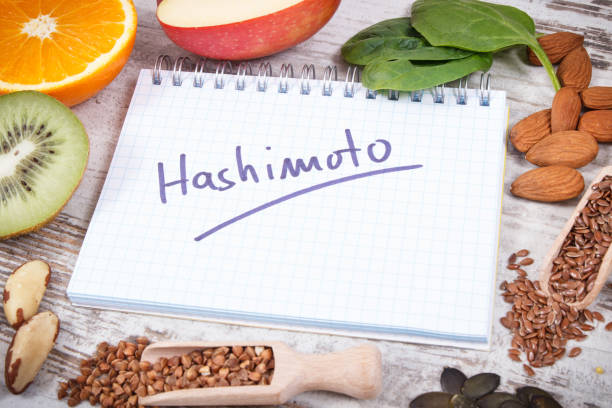
Hashimoto’s thyroiditis is the most common cause of hypothyroidism, especially in women. This autoimmune disorder occurs when the immune system mistakenly produces antibodies that attack and gradually destroy thyroid tissue, reducing hormone production.
Epidemiology and gender disparities
Globally, the prevalence of Hashimoto’s thyroiditis is estimated to be approximately 7.5%, with a significantly higher incidence in women 17.5% compared to 6.0% in men. This equates to a 4-fold increased risk for women.
Borders
In the United States, approximately 5% of the population is affected by hypothyroidism, the primary cause of which is Hashimoto’s.
2. Iodine deficiency or excess
Iodine is important for the synthesis of T3 and T4. Hypothyroidism can be triggered by either extreme:
- Deficiency: Common in areas without iodized salt.
- Excess: Seen with high dose supplements or certain medications.
Read in Detail About: [Iodine-rich foods]
3. Congenital Hypothyroidism: Causes of Hypothyroidism in Children
The causes of hypothyroidism in children are different from those in adults and are often congenital, meaning they are present at birth. Early recognition is important because untreated hypothyroidism in children can lead to growth retardation, delayed puberty, cognitive impairment, and developmental delays.
A. Thyroid Dysgenesis
Thyroid dysgenesis occurs when the thyroid gland is malformed, ectopic (located in an abnormal position), or completely absent. This accounts for about 85% of cases of congenital hypothyroidism. Babies may appear healthy at birth, but symptoms appear gradually over weeks to months.
B. Genetic enzyme defects
Genetic mutations that affect thyroid hormone synthesis, such as thyroid peroxidase (TPO) deficiency or thyroglobulin defects, are responsible for about 10-15% of cases. These enzyme defects prevent the thyroid from producing adequate levels of T3 and T4, resulting in reduced metabolism and delayed growth.
C. Iodine imbalance
Although less common in developed countries, maternal iodine deficiency during pregnancy can lead to hypothyroidism in newborns. Conversely, excessive iodine exposure, such as from certain medications or pesticides, can also impair neonatal thyroid function.
Symptoms in Children
Children with congenital hypothyroidism may exhibit:
- Poor growth or stunted growth
- Delayed bone age and puberty
- Laziness and fatigue
- Constipation and dry skin
- In some cases, a swollen face or enlarged tongue
- Poor feeding or weight gain problems
Doctor’s insight: Early screening, usually with a newborn heel-prick TSH test, is essential. With prompt levothyroxine therapy, most children achieve normal growth and development without long-term complications.
4. Medications and Treatments
Some medications can reduce thyroid hormone production:
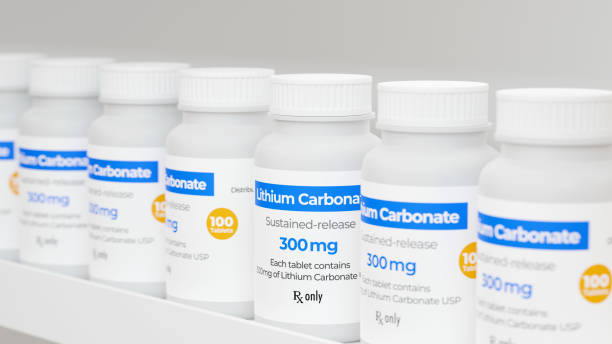
- Lithium is used in psychiatric conditions.
- Amiodarone is a cardiac antiarrhythmic
- Immunotherapy a checkpoint inhibitors in cancer
- Radioactive iodine therapy for hyperthyroidism or thyroid cancer
Doctor’s insight: Always review medication history when evaluating unexplained fatigue in women.
Read in Detail About: Medications That Affect Thyroid Function
5. Thyroid surgery or radiation
Surgical removal of thyroid tissue or radiation therapy for head/neck cancer can lead to permanent hypothyroidism.
Symptoms appear gradually over weeks to months.
Treatment: Lifelong levothyroxine replacement.
6. Pituitary or hypothalamic disorders( Secondary Hypothyroidism)
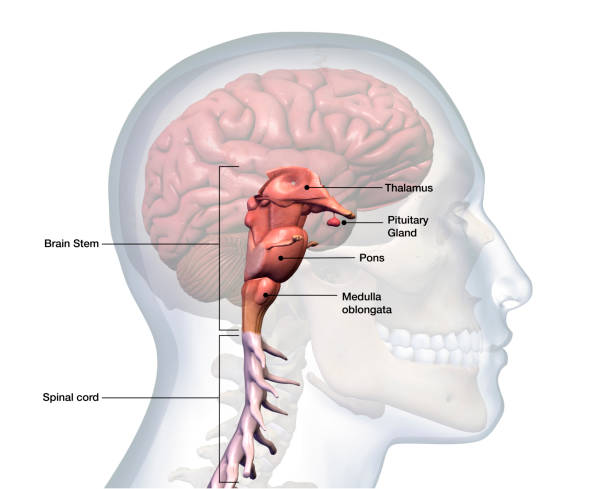
Secondary hypothyroidism occurs when the pituitary or hypothalamus fails to stimulate the thyroid.
- Causes: Tumor, surgery, trauma, infection
- Diagnosis: Low TSH and low T4
- Less common but often missed.
7. Subacute Thyroiditis
Subacute thyroiditis is an inflammatory condition of the thyroid, often triggered by a viral infection. It usually follows a triphasic course:
- Hyperthyroid phase: Temporary release of thyroid hormones due to inflammation of the gland.
- Hypothyroid phase: Decreased hormone production as the gland is depleted.
- Convalescent phase: Most patients return to normal thyroid function.
Symptoms: Neck pain, fever, fatigue, and a tender thyroid gland. In the hypothyroid phase, patients experience fatigue, weight gain, and cold intolerance.
Treatment: Symptomatic management with NSAIDs for pain; temporary levothyroxine may be needed if hypothyroidism is significant.
8. Hypothyroidism is associated with other diseases (infiltrative/secondary causes)
Some systemic diseases can infiltrate or damage the thyroid, resulting in hypothyroidism. Examples include:
- Amyloidosis is abnormal protein deposits in thyroid tissue
- Hemochromatosis is iron overload affects thyroid function.
- Sarcoidosis or lymphoma is rare infiltration of the thyroid gland
- Lipomatosis
- Langerhans cell histiocytosis
- Scleroderma
Symptoms: Often overlap with primary hypothyroidism: fatigue, weight gain, dry skin, and hair loss. Signs of systemic disease may be present (for example, liver involvement in hemochromatosis).
Diagnosis: Blood tests, thyroid imaging, and biopsy if infiltrative disease is suspected
Doctor’s insight: These causes are often overlooked, so hypothyroidism in patients with chronic systemic disease should be promptly evaluated for secondary causes.
9. Riedel’s thyroiditis
Riedel’s thyroiditis is a rare fibrosing disorder of the thyroid where the gland is replaced by dense fibrous tissue.
Characteristics:
- A hard, “woody” thyroid on palpation
- May extend to surrounding structures in the neck.
- May cause compression symptoms (difficulty swallowing or breathing)
Symptoms: Hypothyroidism progresses slowly. Patients may also experience neck pain.
Diagnosis: Imaging (ultrasound or MRI) and biopsy confirm fibrous tissue infiltration.
Treatment: Surgery may be required for compression symptoms. Hypothyroidism is treated with levothyroxine.
Unique insight: This condition is extremely rare but is often misdiagnosed as thyroid cancer due to its firm texture.
10. Rare and Other Causes
Severe chronic illness (non-thyroidal illness syndrome)
Genetic syndromes affecting thyroid hormone metabolism
Environmental toxins affecting iodine uptake
What causes hypothyroidism in women?
Women are disproportionately affected by hypothyroidism, with a prevalence approximately 5-8 times higher than men. Several factors contribute:
1. Autoimmune thyroid disease
Hashimoto’s thyroiditis is the most common cause. The immune system attacks the thyroid, gradually reducing hormone production. Women are more susceptible due to hormonal and genetic differences.
2. Hormonal fluctuations
Pregnancy, postpartum, and menopause alter immune and thyroid function, increasing susceptibility.
3. Iodine imbalance
Both iodine deficiency and excess can affect thyroid hormone synthesis. Women with restrictive diets or certain health conditions are at higher risk.
4. Genetic predisposition
A family history of autoimmune thyroid disease increases the likelihood of hypothyroidism.
5. Medications and treatments
Some medications, such as lithium or amiodarone, and treatments such as radiation can reduce thyroid hormone production.
Doctor’s unique insight: Women in their 20s and 30s may experience infertility or recurrent miscarriages before other symptoms appear, often delaying diagnosis.
Symptoms of Hypothyroidism in Women
While this blog focuses on the causes, understanding the symptoms helps readers connect the dots:
- Fatigue
- Weight gain
- Dry skin and hair loss
- Constipation [Internal Link: Iodine Rich Foods]
- Mood swings
- Menstrual irregularities [Internal Link: Symptoms of Hypothyroidism in Women]
- Cognitive slowness and memory problems
Read in Details A bout: Symptoms of Hypothyroidism in Females
Reference: Mayo Clinic – Hypothyroidism Overview
Conclusion
It is important to understand the causes of hypothyroidism, especially for women who are disproportionately affected. From autoimmune disorders and iodine imbalances to medications, genetic factors, and pituitary dysfunction, the causes behind an underactive thyroid are diverse. Early recognition of these causes allows for timely diagnosis, appropriate treatment, and prevention of complications such as fatigue, weight gain, infertility, and heart disease.
As a doctor, I often emphasize that it is crucial to listen to your body and seek a diagnosis for persistent symptoms. Simple blood tests like TSH and free T4 can provide clear answers. With lifestyle adjustments, proper diet, and medical management, women can live healthy, active lives despite hypothyroidism.
If you or a loved one experiences any of the symptoms or risk factors described in this article, don’t wait. Share your questions or experiences in the comments, and consult a healthcare professional to take control of your thyroid health today. Early awareness of the causes of hypothyroidism truly makes a difference in long term health.
Call to Action
If you recognize any symptoms or risk factors, don’t ignore them. Share your experiences or questions in the comments below. Consult a healthcare professional for testing and individualized management. Early identification of the causes of hypothyroidism can dramatically improve quality of life.
FAQS
While medication is the primary treatment, certain lifestyle changes, such as a balanced diet and regular exercise, can support thyroid health.
Yes, untreated hypothyroidism can impact fertility and may increase the risk of complications during pregnancy.
The most common cause of hypothyroidism in women is Hashimoto’s disease, an autoimmune disorder where the immune system attacks the thyroid gland. 🩺 Other significant causes include treatment for hyperthyroidism (like radioactive iodine), thyroid surgery, radiation therapy to the neck area, and certain medications. Iodine deficiency is also a major cause globally, though less common in developed nations.
Women are more susceptible to hypothyroidism primarily because they are more likely to develop autoimmune diseases, like Hashimoto’s. Hormonal fluctuations during key life stages such as pregnancy and menopause can also play a crucial role in triggering thyroid disorders. This combination of autoimmune predisposition and hormonal changes significantly increases the risk for females compared to males.
🧑⚕️ About the Author
Dr. Asif, MBBS, MHPE
Dr. Asif is a medical doctor and medical educationist with expertise in simplifying complex health topics for the general public. With a passion for preventive health and evidence-based writing, he helps readers make informed choices about their well-being.
✅ Medically Reviewed By
Dr. T.G., MBBS, FCPS (Endocrinology)
Associate Professor, Endocrinology Ward, HMC Hospital
With over 20 years of clinical experience in managing endocrine disorders, Dr. T.G. ensures that the content is accurate, reliable, and clinically relevant.
⚠️ Medical Disclaimer
This blog is intended for educational and informational purposes only. It is not a substitute for professional medical advice, diagnosis, or treatment. Always seek the advice of your physician or another qualified healthcare provider with any questions you may have regarding a medical condition. Never disregard or delay medical advice based on content you read here.
Leave a Reply