

Introduction
Causes of Goiter in Females are an important topic in women’s health, as thyroid problems affect women more than men. As a physician and medical educator, I often encounter women who experience symptoms such as visible swelling or fatigue in the neck, weight fluctuations, or mood swings. For many, goiter, an abnormal enlargement of the thyroid gland, is the culprit.
In this comprehensive guide, we will explore the main causes, risk factors,its association with other diseases,why women are at more risks, hard data, and unique medical perspectives regarding goiter in women. While maintaining a lively, professional, and medically sound discussion, we will also cover prevention, diagnosis, and treatment options.
What causes Goiter in Women?
Causes of Goiter in women are usually due to iodine deficiency, autoimmune thyroid diseases such as Hashimoto’s thyroiditis and Graves’ disease, hormonal changes during pregnancy and menopause, and thyroid nodules or cancer. Other factors include medications (such as lithium and amiodarone), family history, and excessive iodine intake. Women are more vulnerable than men due to higher levels of estrogen, reproductive hormones, and autoimmune diseases.
Understanding Goiters in Women
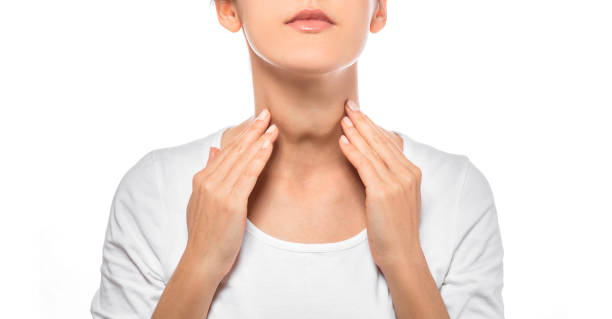
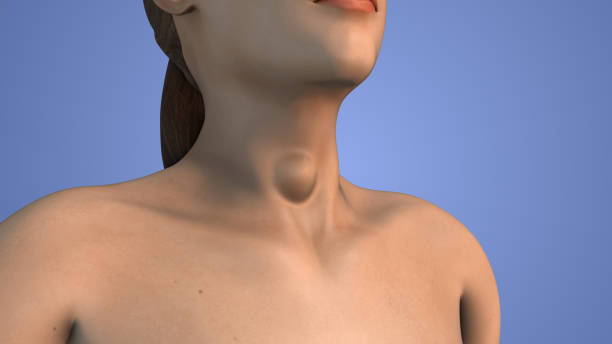
The thyroid gland is a butterfly shaped organ located in the neck that produces hormones that regulate metabolism, energy, and growth. Goiters develop when the gland becomes enlarged, either diffusely (swelling of the entire gland) or nodularly (lumps within the gland).
Unique Medical Perspective: In my clinical practice, many women wait until a swelling appears before seeking medical help. However, nodules can be detected early, often before they become visible, through a routine examination or ultrasound.
Causes of Goiter in Females
Here are 7 main causes of goiter in Females explained in detail.
1. Iodine Deficiency, the Leading Cause Worldwide
- Fact: According to the World Health Organization (WHO), approximately 2 billion people worldwide suffer from iodine deficiency, and women of reproductive age are particularly vulnerable.
- Mechanism: Without sufficient iodine, the thyroid cannot produce enough hormones, resulting in an enlarged thyroid to compensate.
- Unique fact: Even in countries with salt iodization programs, some women avoid salt for dietary reasons, unintentionally increasing their risk.
2. Hashimoto’s thyroiditis (autoimmune cause)
Explanation: Hashimoto’s disease is an autoimmune disease in which the immune system attacks the thyroid. It is 10 times more common in women than in men.
Statistics: A study published in PubMed indicates that Hashimoto’s disease is the leading cause of hypothyroidism and goiter in developed countries.
Symptoms: Fatigue, weight gain, dry skin, constipation.
Read in Detail About: [Causes of hyperthyroidism in females].
3. Graves’ Disease
- Explanation: Graves’ disease, an autoimmune disease responsible for hyperthyroidism, causes an enlarged thyroid.
- Risk in Women: The risk of being affected is 7 to 8 times higher in women than in men (Mayo Clinic).
- Symptoms: Anxiety, tremors, palpitations, heat intolerance.
4. Hormonal Changes During Pregnancy and Postpartum
- Clinical Observation: Pregnancy increases thyroid hormone requirements by 30 to 50%, which can sometimes lead to a goiter.
- Unique Information: Many cases resolve after delivery, but some women develop permanent thyroid disease after delivery.
5. Thyroid Nodules and Cancer
- Fact: Up to 50-60% of women over the age of 50 may have thyroid nodules detectable by ultrasound (data from the Endocrine Society).
- Although most nodules are benign, they can lead to enlargement of the gland. In rare cases, thyroid cancer presents as a disease.
6. Medications and Medical Treatments
Some medications interfere with thyroid function:
- Lithium → Used for psychiatric disorders.
- Amiodarone → Used for cardiac arrhythmias.
- Radiation Exposure → Anticancer treatments
7. Environmental and lifestyle factors
- Smoking: Contains thiocyanate, which interferes with iodine intake.
- Diet: Goitrogens in soy, cabbage, and cassava can contribute if consumed in excess.
- Stress: Chronic stress can worsen autoimmune activity.
Learn about: [Foods to Avoid for Hyperthyroidism].
Goiter association with other diseases?
Goiter is often associated with other medical conditions, especially those that affect thyroid function and immunity. In women, this association is particularly strong due to hormonal and genetic factors.
Autoimmune Thyroid Diseases
- Hashimoto’s Thyroiditis: Causes chronic inflammation that leads to hypothyroidism and a goiter.
- Graves’ Disease: An autoimmune condition that causes hyperthyroidism and enlargement of the thyroid.
Thyroid Cancer
Although most goiters are benign, some multinodular goiters can mask underlying thyroid cancer. According to the American Cancer Society, about 5 percent of thyroid nodules are malignant.
Metabolic and hormonal disorders
- Polycystic Ovary Syndrome (PCOS): Some studies suggest a higher prevalence of thyroid abnormalities in women with PCOS.
- Pregnancy-related disorders: Postpartum thyroiditis may present as a transient goiter.
Other systemic conditions
- Iron deficiency anemia: May coexist with goiter in women with poor nutrition.
- Autoimmune disorders: Conditions such as type 1 diabetes and rheumatoid arthritis often cluster with autoimmune thyroid diseases.
Unique insights from clinical practice: In my experience, women with goiters often present with multiple overlapping conditions, such as anemia and PCOS, which necessitates a comprehensive approach to diagnosis.
Why are goiters more common in women than in men?
Goiters are significantly more common in women than in men, and this difference is well documented in medical research. In fact, women are 5 to 10 times more likely to develop thyroid disorders, including goiters. Several biological and lifestyle factors explain this higher prevalence:
Hormonal Influence
Estrogen and progesterone affect thyroid function and immune regulation.
Pregnancy, menopause, and the menstrual cycle place additional demands on the thyroid, increasing the risk of goiters.
Autoimmune Susceptibility
Women are more likely to have autoimmune disorders such as Hashimoto’s thyroiditis and Graves’ disease, both of which commonly cause goiters.
PubMed research shows that 80% of patients with autoimmune thyroid disease are women.
Nutritional and lifestyle factors
Women, especially during pregnancy, have a higher need for iodine. In areas with iodine deficiency, this increases the risk of goiter.
Dietary trends, misuse of supplements, or avoidance of iodized salt may further increase the risk.
Genetic predisposition
A family history of thyroid disease appears to be more common in women, possibly due to sex-linked genetic influences.
Doctor’s unique insight: In my clinical practice, I have observed that many women develop goiters after pregnancy or during hormonal shifts, while men with similar risk factors are often unaffected. This reinforces the powerful role of female hormones in thyroid health.

Symptoms and Complications of Goiter in Women
- Symptoms of goiter: Visible swelling, difficulty swallowing, hoarseness, cough.
- Complications of goiter : Thyroid dysfunction (hypothyroidism/hyperthyroidism), airway obstruction, cosmetic concerns.
Read in Detail About: SYMPTOMS OF HYPERTHYROIDISM IN FEMALES
Diagnosis of Goiter in women
- Clinical examination → Neck palpation.
- Ultrasound → detects nodules and size.
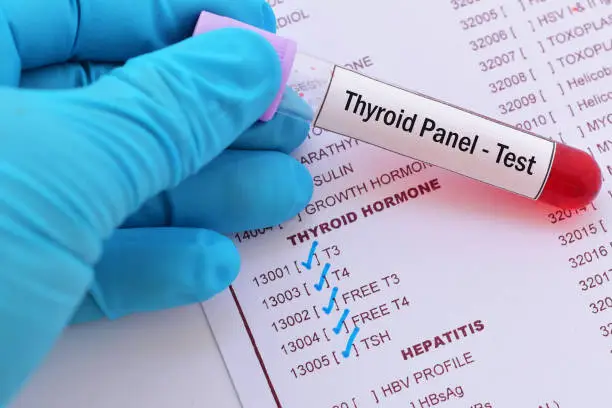
- TSH, T3, T4 test → functional assessment.
- Fine needle aspiration biopsy → exclude cancer.
Treatment options for goiter in women
- Iodine supplementation (for deficiency).
- Levothyroxine (for hypothyroid goiters).
- Antithyroid drugs or radioactive iodine (for Graves).
- Surgery (large goiters or suspected cancer).
Read in Detail About: HOW TO SHRINK GOITER NATURALLY
Prevention strategies for goiter in women
- Use iodized salt (but not excessively).
- Balanced diet with seafood, milk and eggs.
- Regular thyroid check-ups during pregnancy and after 40.
- Avoid unnecessary supplements.
A doctor’s unique perspective
As a physician, I emphasize that nodules are often a symptom, not a disease in themselves. The underlying cause whether autoimmune, dietary, or genetic should be treated. Often, women are reassured that it’s “just a lump,” but a thorough investigation can reveal a lifelong condition like Hashimoto’s.
Conclusion
The causes of goiter in females are diverse, ranging from iodine deficiency and autoimmune conditions to hormonal changes, medications, and lifestyle factors. Women are particularly vulnerable due to unique hormonal influences and higher rates of autoimmune disease. Early recognition of these causes is crucial, as goiters are often a symptom of an underlying thyroid imbalance that requires timely management.
In my clinical experience, I have seen how early detection and simple lifestyle changes such as using iodized salt, getting regular thyroid checkups, and maintaining a balanced diet can make a big difference in women’s thyroid health. Remember, a goiter itself is not always dangerous, but it should never be ignored. Whether it’s Hashimoto’s thyroiditis, Graves’ disease, or iodine deficiency, finding the root cause is the key to effective treatment.
Call to Action
If you or a loved one has noticed a swollen neck or thyroid-related symptoms, don’t ignore it. A goiter may seem minor, but it often indicates a deeper thyroid imbalance.
I’d love to hear from you: Have you or someone you know been treated for a thyroid goiter? Share your experience in the comments below, or reach out with your questions. Together, we can spread awareness about women’s thyroid health.
Authoritative Sources:
FAQS
Yes, women are 5–10 times more likely to develop thyroid disorders and goiter, mainly due to hormonal and autoimmune predisposition.
Yes, extreme iodine deficiency or excess, along with certain goitrogenic foods, can contribute, especially when combined with genetic risk.
Yes, increased thyroid demand during pregnancy can enlarge the gland. Some women develop postpartum thyroiditis leading to temporary or permanent goiter.
By ensuring adequate iodine intake, regular thyroid screening, and avoiding unnecessary supplements or excessive soy/seaweed consumption.
Iodine deficiency remains the most common global cause, but in developed countries, autoimmune thyroiditis (Hashimoto’s disease) is now the leading cause.
🧑⚕️ About the Author
Dr. Asif, MBBS, MHPE
Dr. Asif is a medical doctor and medical educationist with expertise in simplifying complex health topics for the general public. With a passion for preventive health and evidence-based writing, he helps readers make informed choices about their well-being.
✅ Medically Reviewed By
Dr. T.G., MBBS, FCPS (Endocrinology)
Associate Professor, Endocrinology Ward, HMC Hospital
With over 20 years of clinical experience in managing endocrine disorders, Dr. T.G. ensures that the content is accurate, reliable, and clinically relevant.
⚠️ Medical Disclaimer
This blog is intended for educational and informational purposes only. It is not a substitute for professional medical advice, diagnosis, or treatment. Always seek the advice of your physician or another qualified healthcare provider with any questions you may have regarding a medical condition. Never disregard or delay medical advice based on content you read here.
Leave a Reply