

Introduction
Can hepatitis B be cured permanently?
This is one of the most common and emotionally charged questions I hear from patients in my clinic. The moment someone is diagnosed with hepatitis B, their first thought is: “Doctor, will it ever get better?”
As a licensed physician and medical educator, I understand the fear behind this question. Hepatitis B is a chronic viral infection that affects the liver and can lead to serious complications if left untreated. But it is also a condition fraught with myths, half truths, and confusion.
In this article, I will guide you through what modern science says about treating hepatitis B, what treatments are available, and why a permanent cure is still not straightforward. We will use simple examples to separate medical fact from common misconceptions so that you can better understand your condition.
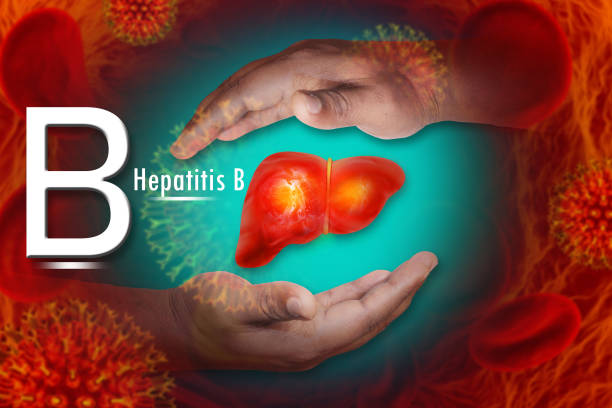
Can hepatitis B be cured permanently?
Currently, hepatitis B cannot be completely cured in most cases. The virus has a unique ability to hide inside liver cells in a form called cccDNA (covalently close circular DNA), which current medications cannot completely eliminate.
However, modern treatments such as antiviral drugs (such as tenofovir and entecavir) can suppress the virus, protect the liver, and prevent complications such as cirrhosis and liver cancer. In rare cases, some people achieve active remission where the virus becomes undetectable and the surface antigen (HBsAg) disappears. Researchers are actively working on chronic hepatitis b treatment that could one day lead to a true, permanent cure. Currently, hepatitis B can be safely controlled, and patients can live long, healthy lives with the right medical care.
Understanding Hepatitis B (A Patient Friendly Overview)
Hepatitis B is a viral infection that primarily affects the liver.
The virus is spread through blood, unprotected sex, or from mother to child at birth.
It can cause acute infection (short term illness) or chronic infection (long term, lasting more than 6 months).
Read in Detail About: [Early symptoms of hepatitis B]
Storytelling example:
I once treated a 20 year old man who had no symptoms but was diagnosed during a routine blood test for a job abroad. His biggest worry was whether he would ever be able to “get rid” of the virus. His case highlights how hepatitis B often goes unnoticed until tested.
Read in Detail About: Hepatitis B causes
Can hepatitis B be cured permanently? Medical fact
When patients ask me, “Doctor, can hepatitis B be cured permanently?” I always pause, because the answer is not a simple yes or no.
Today’s Reality
At this time, hepatitis B cannot be completely and permanently cured in most patients. This is because the virus has a very clever survival strategy. Once it enters the liver, it leaves a small “blueprint” of itself inside the liver cells called cccDNA (covalently closed circuler DNA). Think of it as a hidden backup copy of the virus. Even when drugs clear the virus from the blood, this blueprint remains quietly inside the liver, ready to “wake up” again.
What current drugs can do.
Modern antiviral drugs such as tenofovir and entecavir are highly effective in controlling the virus. They:
- Reduce the virus in the blood to undetectable levels.
- Protect the liver from scarring (fibrosis) and cirrhosis.
- Greatly reduces the risk of liver cancer.
- Helps many patients live long, healthy lives.
In some cases, patients achieve what doctors call an active cure their blood tests no longer show the surface antigen (HBsAg), and the virus remains inactive. However, because the cccDNA is still present, it is not considered a complete or permanent cure.
Why is permanent eradication difficult?
Imagine pulling weeds out of a garden. Even if you cut the plant at the surface (the virus in the blood), the root (cccDNA) is still buried underground. Unless you remove the root, the weeds can grow back. That is the challenge that researchers face with hepatitis B.
The future of research
The good news is that global research is very active. New treatments, such as therapeutic vaccines, gene editing techniques, and drugs that target cccDNA, are in development. According to the WHO, more than 296 million people worldwide live with chronic hepatitis B, so finding a cure is a top health priority. Scientists believe that a real cure could be possible within the next decade.
Doctor’s note: In my clinic, I emphasize to patients that although a permanent cure is not here, hepatitis B can be controlled today. With regular follow-up and treatment, patients can live a normal life without fear.
Chronic Hepatitis B Treatment – What Works Today
Chronic Hepatitis B treatment focuses on controlling the virus and protecting the liver.
Antiviral Drugs
- Tenofovir and Entecavir are the first line treatments recommended by the WHO and CDC.
- They are taken daily and can reduce viral load to undetectable levels.
- They protect the liver from scarring (fibrosis) and cirrhosis.
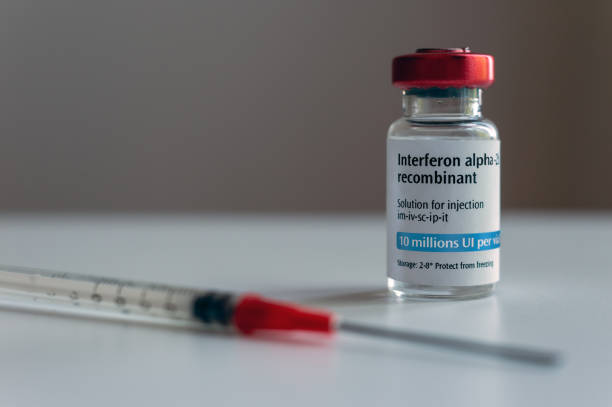
Interferon Therapy
- In some cases, doctors use pegylated interferon, especially for younger patients.
- It stimulates the immune system to fight the virus but comes with side effects.
Myths about Hepatitis B vs. Medical Reality
Misconception 1: Hepatitis B can be permanently cured with medication.
Fact: Many patients think that once they start taking medication, the virus will be gone forever, similar to how antibiotics treat infections like pneumonia. But hepatitis B is different. The virus hides inside the liver in a form called cccDNA that medications cannot completely eliminate.
Antivirals such as tenofovir or entecavir can control the virus, protect the liver, and sometimes lead to an “active cure” where blood tests return to normal. However, the latent virus remains in the liver, meaning that if treatment is stopped, the disease can return. Think of it like putting out a fire on the surface while some embers are still burning inside.
Myth 2: If you feel healthy, you don’t need treatment.
Fact: Hepatitis B often doesn’t cause any symptoms for years, which is why it’s called a “silent infection.” Even if you feel perfectly fine, the virus is slowly damaging your liver. Many patients I see are surprised when they discover they have advanced liver disease even though they’ve never been sick. That’s why doctors recommend regular follow ups, blood tests, and sometimes even starting treatment even when you feel healthy. Skipping treatment just because you don’t have any symptoms can be dangerous in the long run.
Myth 3: Herbal remedies can cure hepatitis B.
Fact: In many communities, patients are advised to try “natural remedies” such as herbal teas, special juices, or traditional medicines. Unfortunately, no herbal remedies have been proven by scientific research to permanently cure hepatitis B. In fact, some unregulated herbal products can cause even more liver damage. While a healthy diet and natural foods are good for your liver’s overall health, they cannot eliminate the virus. Always consult your doctor before taking supplements or herbal remedies to avoid harmful effects.
Myth 4: Hepatitis B always causes liver cancer.
Fact: This myth creates a lot of unnecessary fear. Not everyone with hepatitis B will develop liver cancer. The risk increases if the infection remains uncontrolled for many years, especially without medical care. But with proper treatment and monitoring, most patients live full, healthy lives without developing cancer. Regular checkups, ultrasounds, and blood tests help detect any changes early so that treatment can be started immediately if needed. In short: Hepatitis B increases the risk, but it is not a guaranteed death sentence.
Myth 5: Hepatitis B is spread through casual contact (hugging, sharing food).
Fact: Many patients worry that they can infect their family members simply by living in the same household, hugging, or eating together. This is not true. Hepatitis B is spread through blood, unprotected sex, or mother to child transmission during birth. It is not spread through casual contact, shaking hands, hugging, or sharing food. This misconception often leads to unnecessary isolation of patients. Families should focus on vaccination and safe practices rather than avoiding common interactions.
Read in Detail About: Can Hepatitis B Be Transmitted Through Saliva
Myth 6: Only adults are infected with hepatitis B.
Fact: Hepatitis B can affect people of all ages, from newborns to the elderly. In fact, babies born to infected mothers are at the highest risk of developing chronic hepatitis B because their immune systems are not strong enough to clear the virus. This is why vaccinating newborns within 24 hours of birth is the most effective way to prevent infection. Adults can also get hepatitis B through unsafe injections, blood transfusions, or sexual contact. It is a disease that does not discriminate by age.
Myth 7: If you have hepatitis B, your family will automatically get it too.
Fact: Patients often worry that their diagnosis means their entire family is at risk. While hepatitis B is contagious, it does not spread spontaneously. Transmission only occurs when there is an unsafe exposure, such as blood contact or childbirth. Family members can be fully protected through vaccination. I always advise my patients to bring their family members in for screening and vaccination it is an easy and effective way to make sure everyone is protected.
Myth 8: Once you have been vaccinated, you never need to worry again.
Fact: The hepatitis B vaccine is highly effective and provides long-lasting protection. For most healthy people, protection lasts for decades, often a lifetime. However, some people, especially those with weakened immune systems (such as those on dialysis or those with HIV), may need a booster dose. Health care workers who are at higher risk may also need antibody testing to ensure protection. So while the vaccine is very strong, extra monitoring is needed in some cases.
Myth 9: Hepatitis B is the same as hepatitis C.
Fact: Although both viruses infect the liver, they are very different in how they behave and how they are treated. Hepatitis C can often be completely cured with modern medications, but there is currently no permanent cure for hepatitis B. Their modes of transmission are also slightly different, and their long-term effects vary. Confusing them can lead to misinformation and false hope. Each disease requires its own treatment approach.
Myth 10: Hepatitis B is a death sentence.
Fact: Hearing the diagnosis can be frightening, and many patients initially think it means their life will soon end. This is far from the truth. With modern treatments, regular monitoring, and healthy lifestyle choices, most people with hepatitis B live long, normal lives. I often remind my patients: “Hepatitis B is a condition you live with, not necessarily die from.” With the right care, it can be managed like diabetes or high blood pressure.
Reference : CDC – Hepatitis B Basics
Latest research and hope for a cure
Scientists are exploring new drugs that target the CCcDNA.
Immunotherapy approaches (such as therapeutic vaccines) are under clinical trials.
According to WHO (2024), more than 296 million people worldwide live with chronic hepatitis B, and finding a cure is a global health priority.
Reference: WHO – Hepatitis B Fact Sheet
Doctor’s Insight (unique):
In my clinical practice, one challenge is that patients often stop taking their medications after they “feel better.” I explain that hepatitis B is like a silent fire just because you don’t see the smoke doesn’t mean the fire is out.
Prevention of Hepatitis B.
While treatment exists, prevention of hepatitis B is the strongest tool:
- Universal vaccination at birth.
- Safe sex practices.
- Avoid sharing needles or razors.
- Screening pregnant women to prevent mother-to-child transmission.
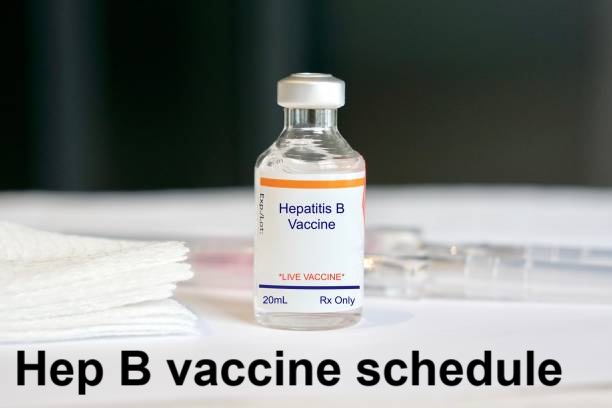
Read in Detail About: [Hepatitis B Vaccine Adult Schedule] and [ Hepatitis B booster for adults]
Conclusion (A Doctor’s Final Word)
So can hepatitis B be cured permanently? In most cases, not yet. But with today’s medical advances, hepatitis B is highly manageable, and patients can live long and fulfilling lives.
Call to Action:
If you or a loved one is living with hepatitis B, don’t give up hope. Stay informed, stay on treatment, and have regular medical follow up. Share your questions in the comments below I’d be happy to answer them, just as I do with my patients in the clinic.
FAQS
Children are more likely to develop chronic Hepatitis B if infected early. Vaccination is the best prevention. Current treatments control but do not cure permanently.
No, current medicines control but do not fully cure Hepatitis B. They suppress the virus, protect the liver, and allow most patients to live healthy lives. Some achieve functional cure, but permanent eradication is rare.
For most people, treatment is lifelong. Stopping medicines can lead to relapse. Your doctor decides based on viral load, liver condition, and lab results.
No scientifically proven natural cure exists. While some herbs support liver health, they cannot eliminate the virus. Always consult your doctor before trying alternatives.
Research is ongoing worldwide. Clinical trials on new drugs and therapeutic vaccines give hope that a true cure may become available in the future.
🧑⚕️ About the Author
Dr. Asif, MBBS, MHPE
Dr. Asif is a licensed medical doctor and qualified medical educationist with a Master’s in Health Professions Education (MHPE) and 18 years of clinical experience. He specializes in gut health and mental wellness. Through his blogs, Dr. Asif shares evidence-based insights to empower readers with practical, trustworthy health information for a better, healthier life.
⚠️ Medical Disclaimer
This blog is intended for educational and informational purposes only. It is not a substitute for professional medical advice, diagnosis, or treatment. Always seek the advice of your physician or another qualified healthcare provider with any questions you may have regarding a medical condition. Never disregard or delay medical advice based on content you read here.
Leave a Reply