

Introduction
The best probiotics for IBS diarrhea can be life changing for those struggling with this difficult condition. Living with irritable bowel syndrome (IBS), especially the diarrhea predominant variant (IBS-D), can often feel like you’re stuck on a roller coaster you never agreed to ride. Unexpected urgency, frequent loose stools, abdominal pain, and constant anxiety about flare ups can interfere with work, travel, and even simple daily activities.
As a physician and medical educator, I’ve seen how patients often feel like they’ve tried everything from strict diets to countless medications and still suffer. So understanding which probiotics really help matters. These “friendly bacteria” aren’t just a wellness fad. They are backed by real science showing how they restore intestinal balance, calm inflammation, and improve stool consistency. But not every probiotic works the same way.
This guide will help you discover the best probiotics for IBS diarrhea, backed by research, explained in plain language, and packed with unique insights from my clinical experience.
Read in Detail About: Irritable bowel syndrome
What are the best probiotics for IBS diarrhea?
The best probiotics for IBS diarrhea are those that contain clinically studied strains like Bifidobacterium infantis 35624, Saccharomyces boulardii, and Lactobacillus plantarum 299v. These probiotics have been shown in multiple studies to reduce stool frequency, improve abdominal pain, and restore intestinal balance in people with IBS-D. Combination products (multi-strain probiotics) may also offer additional benefits by targeting different mechanisms, such as reducing inflammation, strengthening the intestinal barrier, and normalizing bowel movements. Always consult your doctor before starting, as responses may vary from person to person.
Understanding IBS-D and Why Probiotics Matter
What is IBS-D?
IBS is a functional bowel disorder, meaning tests appear “normal” but symptoms persist. IBS-D specifically refers to the type where diarrhea is the primary problem. Common symptoms include:
- Frequent loose stools (more than 3 times a day)
- Abdominal pain after passing a bowel movement
- Urgency that makes it difficult to plan daily life.
- Bloating and Gas
According to the American College of Gastroenterology, IBS affects about 10-15% of adults worldwide, with IBS-D being one of the most common subtypes.
Why Probiotics Help IBS-D.
Your intestines are home to trillions of bacteria a community called the gut microbiome. In IBS-D sufferers, research shows that dysbiosis (an imbalance of gut bacteria) is often present. This imbalance can:
- Increase gut sensitivity → cause pain.
- Increase bowel movements → cause diarrhea.
- Increase inflammation → worsen bloating and urgency
- Probiotics act like a booster for your gut, helping to:
- Restore bacterial balance.
- Calm intestinal inflammation.
- Strengthen the intestinal barrier.
- Reduce excessive motility.
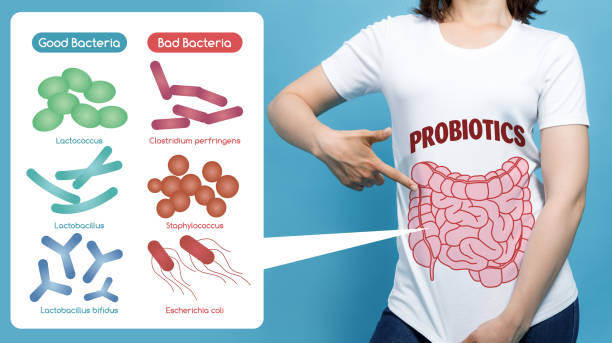
Best Probiotics for IBS Diarrhea: 9 Life-Changing Supplements You Can Trust
Here is the list of 9 doctor recommended probiotics supported by clinical evidence.
1. Bifidobacterium infantis 35624
This strain is one of the most studied probiotics for IBS. Clinical trials published in PubMed show that patients using this strain reported significant improvements in bloating, bowel regularity, and abdominal discomfort.
Why it works:
- Modulates the immune system.
- Reduces low grade intestinal inflammation.
- Helps normalize stool consistency.
Doctor’s unique insight: Many patients don’t realize that these types of probiotics require at least 4-8 weeks of continuous use to show benefits. Stopping too soon is one reason people think “probiotics don’t work.”
2. Saccharomyces boulardii (a probiotic yeast)
Unlike bacterial probiotics, this is a yeast probiotic. Studies show that it reduces diarrhea by inhibiting harmful bacteria and restoring normal intestinal flora.
Benefits for IBS-D:
- Reduces the frequency of loose stools.
- Prevents antibiotic-associated diarrhea.
- Supports intestinal healing after infection.
Clinical evidence: According to a Mayo Clinic review, Saccharomyces boulardii has strong evidence for managing diarrhea and IBS symptoms.
3. Lactobacillus plantarum 299v
Known for reducing abdominal pain and bloating. Clinical trials from Europe have demonstrated its role in improving quality of life in IBS patients.
Why it’s unique:
- Produces short-chain fatty acids → nourishes the gut lining.
- Reduces gas production in the intestines.
4. Bifidobacterium lactis BB-12
One of the most common probiotic strains used in yogurt and supplements.
Benefits:
- Enhances gut barrier function.
- Reduces intestinal sensitivity.
- Improves bowel frequency.
5. Multi strain probiotics (Synbiotics)
Sometimes, a combination of strains works better than one. Multi strain probiotics may contain a mix of Bifidobacteria and Lactobacilli.
Doctor’s note: Just as a football team needs different players for defense and offense, your gut may benefit from a “team approach” to probiotics.
6. Lactobacillus rhamnosus GG
Best known for preventing diarrhea in children, but also effective in adults with IBS-D.
Key Roles:
- Improves the integrity of the gut lining.
- Protects against pathogens.
- Reduces urgency episodes.
7. Bifidobacterium breve
Especially effective in reducing bloating and stool frequency in IBS-D.
8. Lactobacillus acidophilus
Commonly found in fermented foods. Supports digestion and reduces intestinal discomfort.
9. Prebiotic + Probiotic (Synbiotic formulas)
Sometimes adding prebiotics (fibers that probiotics eat) enhances results. Examples: inulin, fructooligosaccharides.
Caution: For some IBS-D patients, prebiotics can worsen gas. Introduce slowly.
Read in Detail About: Fiber rich food
Top 7 Natural Probiotics for IBS Diarrhea
When we think of probiotics, supplements often come to mind. But in reality, many powerful probiotics are found naturally in foods that have been a part of the human diet for centuries. For people with IBS diarrhea, adding natural probiotic foods not only helps to balance the gut but also provides essential nutrients that promote overall digestive health.
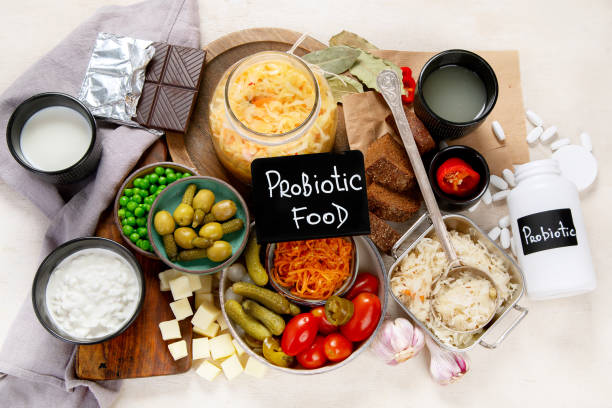
Yogurt with live cultures
Yogurt is probably the most well-known natural probiotic food. Look for labels that say “live and active cultures.” Strains like Lactobacillus acidophilus and Bifidobacterium bifidum help restore gut flora and may reduce the incidence of diarrhea.
Kefir
Kefir is a fermented milk drink that contains a wider variety of probiotic strains than yogurt. Its unique fermentation process produces up to 30 different probiotic species, making it a powerful ally against IBS symptoms.
Sauerkraut
This traditional fermented cabbage is a rich source of lactic acid bacteria. Sauerkraut not only provides probiotics, but also vitamin C and fiber, which help strengthen the intestinal barrier.
Kimchi
Kimchi, the spicy Korean cousin of sauerkraut, contains beneficial bacteria such as Lactobacillus kimchi. In moderation, it can aid digestion and reduce harmful gut microbes.
Miso
Made from fermented soybeans, miso is commonly used in Japanese soups. It provides a dose of probiotics while being gentle on the stomach if eaten in small portions.
Tempeh
Tempeh is another soybean based product, but it’s fortified and packed with protein. Its fermentation process produces probiotics that help balance the gut microbiome and may reduce IBS flare-ups.
Kombucha
This creamy, fermented tea contains a symbiotic culture of bacteria and yeast (SCOBY). While kombucha is popular, people with IBS-D should start with a small amount because the carbonation and acidity can sometimes trigger symptoms.
Doctor’s Note: Why Natural Probiotics Deserve More Attention.
As a physician, I often emphasize that natural probiotics from food are more than just gut bacteria they’re packed with vitamins, minerals, antioxidants, and prebiotic fibers that nourish your digestive system. Unlike supplements, which provide targeted strains, probiotic foods offer a broader ecosystem of microorganisms that support overall gut health.
In my clinical practice, I’ve seen patients who combine natural probiotic foods with supplements experience more consistent results than those who rely solely on capsules. Eating these foods regularly also encourages a sustainable, healthy diet something no pill can fully replace.
That said, responses to probiotic foods can vary. If you experience excessive bloating or discomfort, reduce portion sizes and introduce them gradually.
Bottom line: For many people with IBS diarrhea, natural probiotic foods are not just a supplement but the foundation for long-term gut health.
How to Choose the Best Probiotic for IBS Diarrhea
Things to Look for
- Specific strain name (not just “Lactobacillus”)
- CFU count (10-20 billion CFU per day is often studied)
- Third-party testing for quality
- Capsule stability (survives stomach acid)
Rarely discussed medical insights
As a doctor, I often explain that blogs miss:
- Not all probiotics work for everyone, the answer depends on your unique microbiome.
- Trial period is important, at least 2 months of continuous use is required.
- Lifestyle still counts, stress, diet, and sleep can reduce the effectiveness of a probiotic.
- Herbal supplements (such as peppermint oil) sometimes complement probiotics, but they should be used with supervision.
Patient Story (Case Study)
One of my patients, a 34-year-old teacher, had been struggling with unpredictable diarrhea for years. He had tried countless diets without relief. After starting Bifidobacterium infantis 35624 daily, by week 6 he noticed less urgency and improved stool consistency. More importantly, he felt confident enough to travel without fear of a sudden flare up.
Final Thoughts and Call to Action
Finding the best probiotics for IBS diarrhea isn’t about a quick fix. It’s about choosing the right strain, giving it enough time, and combining it with healthy lifestyle habits. Science strongly supports the use of probiotics like Bifidobacterium infantis and Saccharomyces boulardii, but personalization is key.
Read in Detail About: Home Remedies for Chronic Diarrhea
Your Turn:
Have you tried probiotics for IBS diarrhea? What worked for you, and what didn’t? Share your experiences in the comments below your story might help someone else feel less alone.
If you’re experiencing persistent symptoms, don’t suffer in silence. Consult a qualified doctor to create a plan tailored to your needs.
References:
FAQS
Yes, but elderly patients may have weaker immune systems. It’s important to choose reputable brands and consult a doctor before use.
Yes, sometimes patients experience more gas or bloating initially. This usually settles after 1–2 weeks as your gut adjusts.
Probiotics may help diarrhea, bloating, and abdominal pain. Their effect on constipation-predominant IBS is less consistent.
Most clinical trials lasted 8–12 weeks. You should try a consistent daily dose for at least 2 months before deciding if it helps.
Most are better taken with food, as stomach acid is lower during meals, helping bacteria survive.
The best probiotics for IBS diarrhea include Bifidobacterium infantis 35624, Saccharomyces boulardii, and Lactobacillus plantarum 299v. Multi-strain probiotics may also be effective.
🧑⚕️ About the Author
Dr. Asif, MBBS, MHPE
Dr. Asif is a licensed medical doctor and qualified medical educationist with a Master’s in Health Professions Education (MHPE) and 18 years of clinical experience. He specializes in gut health and mental wellness. Through his blogs, Dr. Asif shares evidence-based insights to empower readers with practical, trustworthy health information for a better, healthier life.
⚠️ Medical Disclaimer
This blog is intended for educational and informational purposes only. It is not a substitute for professional medical advice, diagnosis, or treatment. Always seek the advice of your physician or another qualified healthcare provider with any questions you may have regarding a medical condition. Never disregard or delay medical advice based on content you read here.
Leave a Reply