

Introduction
Diet plan for hyperthyroidism is one of the most important aspects of managing an overactive thyroid. While medications, radioactive iodine, or even surgery are the primary treatments, food choices can significantly impact symptoms, nutritional balance, and overall health. As a licensed physician and medical educator, I often see patients who are confused about what they should eat or avoid. They search online, see conflicting advice, and sometimes follow restrictive diets that can make their condition worse rather than help.
In this article, we’ll cover a complete hyperthyroidism diet plan, foods for hyperthyroidism, and foods to avoid with hyperthyroidism. You’ll also learn how diet interacts with medications, what research says about specific nutrients, and how you can adopt a balanced eating strategy in real life.
What is the best diet plan for hyperthyroidism?
The best diet plan for hyperthyroidism focuses on restoring nutritional balance, supporting thyroid function, and reducing symptoms such as weight loss, anxiety, and bone weakness. It emphasizes:
- Sufficient calories and protein to counteract the overactive metabolism.
- Foods rich in calcium and vitamin D to protect bones.
- Antioxidant-rich vegetables and fruits to reduce oxidative stress.
- Foods that can limit iodine absorption, such as cruciferous vegetables (broccoli, kale, cabbage).
- Avoid foods high in iodine, such as seaweed, kelp, and iodized salt.
- Reducing stimulants, such as caffeine and energy drinks, that can worsen heart palpitations.
A sample meal plan includes whole grains, legumes, lean proteins, dairy or fortified plant alternatives, nuts, and cooked vegetables, while avoiding iodine rich seafood and processed fast foods. This diet should always complement medical treatment not replace it.
Understanding Hyperthyroidism and Why Diet Matters.
Hyperthyroidism is a condition in which the thyroid gland produces too much thyroid hormones (T3 and T4), speeding up metabolism. According to the American Thyroid Association, hyperthyroidism affects about 1.2 percent of the U.S. population, with women being affected more often than men.
How Diet Affects Hyperthyroidism.
Diet alone cannot cure hyperthyroidism, but it directly affects:
- Metabolic rate: A high calorie deficit means that diet is necessary to compensate.
- Nutrient Absorption: Some foods interfere with the absorption of thyroid hormone.
- Bone Health: Hyperthyroidism increases the risk of osteoporosis. Diet can help protect bone strength.
- Symptom Relief: Avoiding stimulants like caffeine can help reduce tremors and palpitations.
For background, you can also read my article on the causes of hyperthyroidism in Females.
Key Nutrients in a Diet Plan for Hyperthyroidism
Calories and Protein (Changing Overactive Metabolism).
Hyperthyroidism burns calories rapidly. Patients can lose weight even when they eat well. I often advise my patients to eat protein rich foods like eggs, chicken, beans, and lentils. These not only restore weight, but also prevent muscle breakdown.
Calcium and Vitamin D (Protecting Bones).
Studies published in PubMed (2019) show that untreated hyperthyroidism increases the risk of osteoporosis and fractures. Calcium rich foods such as yogurt, cheese, and leafy greens, along with vitamin D from sunlight or fortified foods, are essential.
Antioxidants (Reducing oxidative stress)
Oxidative stress plays a role in thyroid dysfunction. A Mayo Clinic review highlighted the benefits of a diet rich in antioxidants in Hyperthyroidism Diet. Berries, citrus fruits, spinach, and carrots reduce oxidative damage and support immune health.
Diet plan for Hyperthyroidism (What to Eat?).
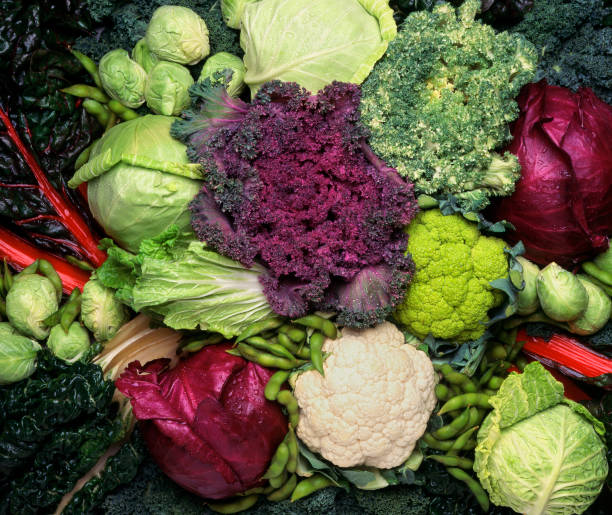
Cruciferous Vegetables is most important in Hyperthyroidism Diet Plan
- Broccoli, kale, Brussels sprouts, and cauliflower contain compounds that reduce iodine intake.
- Cooked forms are gentler on the digestive tract and safer for people with bowel problems.
Dairy and calcium sources
- Yogurt, milk, and cheese provide calcium and protein.
- Plant-based alternatives like fortified almond or soy milk are suitable for those with lactose intolerance.
Lean protein
- Eggs, chicken, fish (low in iodine), beans, and lentils support muscle.
- Plant based protein also reduces the risk of high cholesterol.
Whole grains
- Oats, brown rice, and quinoa provide energy and fiber.
- They help prevent wild swings in blood sugar, which are common in thyroid disorders.
Good Supplements for Hyperthyroidism
While hyperthyroidism diet plan remains the first line of treatment, certain supplements can help restore nutritional balance and reduce complications of hyperthyroidism. Always consult your physician before starting supplements, as needs vary based on lab results and stage of treatment.
Zinc
- Supports thyroid hormone metabolism and the immune system.
- Deficiencies can worsen hair loss and fatigue.
- Found in pumpkin seeds, lentils, and chickpeas; supplements (8-11 mg/day) may be needed.
Selenium
- Protects thyroid tissue from oxidative stress.
- Studies (PubMed, 2017) suggest that selenium may reduce thyroid antibodies in Graves’ disease.
- Brazil nuts, sunflower seeds, tuna, and eggs are rich sources.
Magnesium
- Helps relieve muscle cramps, tremors, and sleep disturbances.
- Include whole grains, almonds, and spinach.
- If deficient, supplementation (200-400 mg per day) is often helpful.
Vitamin D
- Very important for bone health, as hyperthyroidism accelerates bone loss.
- Found in fatty fish, fortified dairy, and sunlight.
- Many patients require supplementation after blood tests.
Iron
- Prevents anemia, fatigue, and hair loss.
- Found in lean red meat, lentils, spinach, and fortified cereals.
- Should be taken at a different time than thyroid medications to avoid interference with absorption.
B vitamins
- Hyperthyroidism speeds up metabolism, depleting B vitamins.
- Vitamins B12 and B6 support mood, nerve function, and energy.
- Eggs, poultry, and fortified cereals are good sources; supplements help with deficiencies.
Foods to Avoid with Hyperthyroidism
Foods to avoid with hyperthyroidism include:
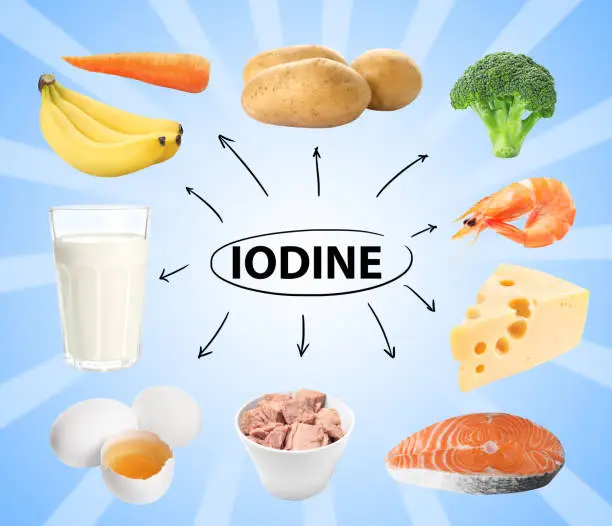
Iodine-Rich Foods
- Seafood, kelp, and fish and shellfish like cod are high in iodine.
- Too much iodine can cause an enlarged thyroid, worsening symptoms.
Read My Article on Foods you should avoid that is rich in Iodine: iodine Rich Foods
Caffeine and Stimulants
- Coffee, energy drinks, colas, and even excess tea can cause palpitations, restlessness, and insomnia.
- Cutting back on caffeine often improves sleep quality and reduces anxiety.
Highly Processed Foods
- Fast food, instant noodles, chips, and packaged snacks are loaded with salt and additives.
- The amount of iodized salt in processed foods can impair thyroid activity.
Alcohol
- Chronic alcohol consumption disrupts thyroid hormone metabolism and worsens bone loss.
Supplements to Avoid for Hyperthyroidism
Some supplements can worsen an overactive thyroid or interfere with medications. supplements to avoid for hyperthyroidism.
Iodine
- Excess iodine over stimulates the thyroid gland, which can worsen hyperthyroidism.
- Avoid kelp, seaweed pills, and multivitamins high in iodine.
Biotin
- Biotin (commonly taken for hair/nails) can interfere with thyroid blood tests, resulting in misleading results.
- Patients should stop taking biotin supplements at least 48 hours before a thyroid function test.
Supplemental Vitamin C
- Large doses (>2,000 mg/day) may increase heartburn in patients who are already struggling with digestive issues related to hyperthyroidism.
- Stick to dietary sources such as citrus fruits unless your doctor recommends supplements.
Herbal Thyroid Boosters
- Over the counter herbal supplements sold as “thyroid boosters” often contain hidden iodine or stimulants.
- These can dangerously worsen symptoms such as palpitations, tremors, and anxiety.
Hyperthyroidism Diet Plan (A Practical 7-Day Eating Guide)
Managing hyperthyroidism requires a diet that balances nutrients, protects against excess iodine, and supports energy levels throughout the day. Below is a flexible 7-day hyperthyroidism diet plan with a wide selection of foods for each meal. Patients can rotate these options for variety and balance.
Breakfast Options
- A nutritious breakfast replenishes the energy lost due to the increased metabolism in hyperthyroidism.
- Oatmeal cooked with almond or oat milk, with berries, flax seeds, or chia seeds.
- Scrambled eggs with spinach, tomatoes, or mushrooms.
- Smoothie bowl with banana, avocado, Greek yogurt, and pumpkin seeds.
- Whole grain toast with peanut butter and sliced apple or pear.
- Vegetable omelet with bell peppers and zucchini.
- Herbal tea (chamomile, peppermint, lemon balm) instead of caffeinated drinks.
Mid-morning snack ideas
- Snacks should be light but packed with protein and healthy fats to stabilize energy.
- Fruit smoothie with banana, yogurt, flax seeds, and a sprinkle of cinnamon.
- Handful of walnuts, almonds, or sunflower seeds.
- Rice cakes with hummus or guacamole.
- Sliced cucumber or carrot sticks with yogurt dip.
- Papaya, orange slices, or a small bowl of pears.
Lunch options
- Lunch should be filling, high in protein, and include vegetables to slow down a fast metabolism.
- Grilled chicken breast with brown rice and steamed broccoli.
- Lentil curry with quinoa or whole grain chapati.
- Stir fried tofu with bell peppers, carrots, and zucchini.
- Chickpea salad with olive oil dressing and whole grain pita.
- Steamed fish (low-iodine varieties like tilapia or salmon) with baked sweet potatoes.
- Spinach and mushroom pasta (whole grain).
Evening snack options
- Evening snacks should be calm and light to prepare the body for rest.
- Apple or pear slices with peanut or almond butter.
- Herbal tea (chamomile, peppermint, fennel) to reduce anxiety and improve sleep.
- Yogurt with chopped walnuts and raisins.
- A handful of roasted chickpeas.
- Small smoothie with papaya or mango.
Dinner options
- Dinner should be lighter than lunch but still nutritious to restore energy without overstimulating.
- Baked salmon or tilapia (low iodine) with quinoa and steamed vegetables.
- Stir fried tofu with rice noodles and sesame seeds.
- Grilled chicken with roasted sweet potatoes and roasted kale.
- Vegetable soup with lentils and whole grain bread.
- Chickpea curry with basmati rice.
Bedtime options
- A light, calming bedtime drink helps reduce anxiety and promote better sleep.
- Warm milk with turmeric (golden milk).
- Almond milk with a pinch of nutmeg or cinnamon.
- Herbal infusion with chamomile or lemon balm.
Rarely discussed medical insights (doctor’s perspective)
As a doctor, here are 3 points that are often overlooked in popular blogs:
- Drug dosing time: Antithyroid drugs like methimazole should not be taken with high fiber foods, as absorption may be delayed. Patients should take the medication on an empty stomach for consistent absorption.
- Risk of protein malnutrition: Many patients unintentionally become vegetarians with limited protein, which leads to muscle loss. A diet plan should ensure a protein intake of at least 1.2-1.5 g/kg/day.
- Impact on mental health: Hyperthyroidism patients often struggle with anxiety and mood swings. Reducing caffeine and ensuring regular meals significantly improves mental stability.
Evidence from research
- According to the WHO, iodine deficiency is the most common cause of thyroid disease globally, but in hyperthyroidism, excess iodine can worsen symptoms.
- A 2020 PubMed study found that consuming cruciferous vegetables can lower thyroid hormone levels in some populations, although the effect is modest.
- The CDC reports that hyperthyroidism is most common in women ages 20-40 yrs.
👉 References:
National Institute of Diabetes and Digestive and Kidney Diseases (NIDDK) – Hyperthyroidism
PubMed – Research Articles on Hyperthyroidism
Conclusion and Call to Action
Hyperthyroidism requires medical management, but diet plays an important supporting role. A well structured diet plan for hyperthyroidism balances calories, protects bones, reduces oxidative stress, and avoids iodine overload. With careful choices whole grains, lean protein, dairy, cruciferous vegetables, and fewer stimulants patients can feel more energized, calm, and better supported during treatment.
If you found this guide helpful, share your thoughts in the comments. Do you struggle with meal planning for hyperthyroidism? Feel free to ask questions below, and I’ll be happy to answer from a doctor’s perspective. You can also consult with me directly for personalized diet and treatment strategies.
FAQS
Yes, if eaten in moderate amounts and preferably cooked. They contain goitrogens that reduce iodine uptake, but cooking reduces excess compounds.
Yes. Caffeine increases palpitations, tremors, and anxiety in hyperthyroidism patients. Limiting coffee and energy drinks is strongly recommended.
No. While a diet plan for hyperthyroidism can reduce symptoms and improve nutrition, it cannot replace medical treatment. Antithyroid drugs, radioactive iodine, or surgery remain the primary therapies.
Alcohol can worsen bone loss and disrupt thyroid hormone metabolism. Occasional small intake may be tolerated but should generally be minimized.
Yes, most hyperthyroidism patients benefit from limiting iodized salt. Use natural herbs and spices to flavor food instead.
🧑⚕️ About the Author
Dr. Asif, MBBS, MHPE
Dr. Asif is a medical doctor and medical educationist with expertise in simplifying complex health topics for the general public. With a passion for preventive health and evidence-based writing, he helps readers make informed choices about their well-being.
✅ Medically Reviewed By
Dr. T.G., MBBS, FCPS (Endocrinology)
Associate Professor, Endocrinology Ward, HMC Hospital
With over 20 years of clinical experience in managing endocrine disorders, Dr. T.G. ensures that the content is accurate, reliable, and clinically relevant.
⚠️ Medical Disclaimer
This blog is intended for educational and informational purposes only. It is not a substitute for professional medical advice, diagnosis, or treatment. Always seek the advice of your physician or another qualified healthcare provider with any questions you may have regarding a medical condition. Never disregard or delay medical advice based on content you read here.
Leave a Reply