

Introduction
Asymptomatic H pylori: Should It Be Treated ? This is one of the most debated questions in gastroenterology today. As a physician who regularly sees patients with stomach problems, I often encounter people who test positive for Helicobacter pylori (H. pylori) but have no symptoms. They ask me, “Doctor, should I really be taking strong antibiotics when I feel perfectly fine?”
This is a valid concern. H. pylori is a common bacterial infection, affecting 44% of the global population (Hooi et al., 2017, Gastroenterology). Most carriers never develop symptoms, but in some, it silently increases the risk of ulcers, stomach cancer, and chronic gastritis.
In this article, we will explore whether treatment of asymptomatic H pylori is necessary, based on clinical evidence, guidelines, and my clinical experience.
Should asymptomatic H pylori be treated?
H. pylori is a bacteria that can live silently in the stomach without causing symptoms. While some experts recommend treating all cases to prevent ulcers and stomach cancer, others recommend treatment only if the risks are high (such as a family history of gastric cancer, current stomach disease, or geographic areas with high rates of gastric cancer). The decision should always be individualized after medical consultation.

What is asymptomatic H pylori?
Many people test positive for H. pylori during routine health checks, endoscopies, or urea breath tests without experiencing abdominal pain, heartburn, or bloating. This is called asymptomatic H. pylori.
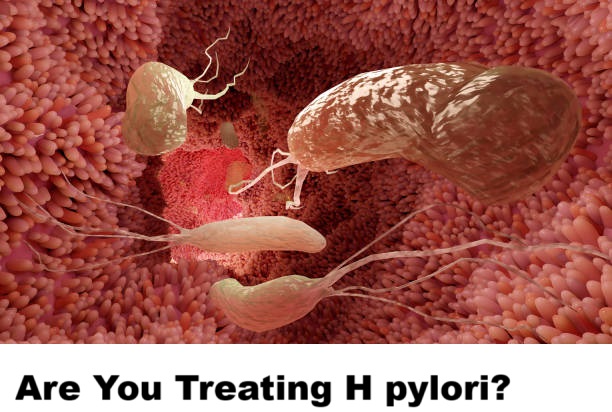
- H. pylori colonizes the lining of the stomach.
- It can remain silent for decades.
- In some, it does not cause any immediate illness, while in others, it progresses to gastritis, ulcers, or stomach cancer.
Why are some people with H. pylori asymptomatic?
Not everyone with H. pylori develops pain, heartburn, or ulcers. Here’s why some people remain symptom free:
Host factors (the body’s genetic makeup)
Some people inherit genes that affect how much stomach acid they produce or how their immune system responds. If their body produces the right amount of acid or has an immune response, they may not experience symptoms even though the bacteria are present.
Bacterial strain differences
H. pylori is not the same in every person. Some strains are “hardy” because they have harmful genes, such as cagA, that can damage the stomach lining and trigger inflammation. Other strains are “weak” and are less likely to cause symptoms or ulcers.
Stomach environment
The stomach is like a garden its balance depends on diet, acidity level (pH), and the other bacteria that live there. A healthy diet, good gut bacteria, and balanced acid levels can reduce inflammation, so H. pylori stays dormant rather than causing problems.
Immune tolerance (the body’s adaptation)
In some people, the immune system “accepts” the bacteria and doesn’t attack them as hard. This keeps inflammation mild and prevents noticeable symptoms, even though the infection is present.
In short, whether H. pylori causes symptoms depends on both the bacteria and the person’s body. That’s why two people in the same family can both carry H. pylori, but only one will develop ulcers while the other feels perfectly fine.
Global burden: why this silent infection matters.
- Approximately 4.4 billion people worldwide are infected with H. pylori (Gastroenterology, 2017).
- In Asia, the prevalence is as high as 60-70%.
- The WHO classifies H. pylori as a class I carcinogen for gastric cancer.
- Gastric cancer is the 5th most common cancer worldwide and the third leading cause of cancer death (WHO, 2023).
This means that even if there are no symptoms today, H. pylori can carry silent long term risks.
Should asymptomatic H pylori be treated? Evidence
Should asymptomatic h pylori be treated is the main concern and this is where medical opinion is divided.
Arguments in favour of treatment of asymptomatic h pylori:
- Cancer prevention:
- Japanese and Korean studies show that eradication reduces the risk of gastric cancer by 50%.
- A meta-analysis (Ford et al., BMJ, 2014) concluded that treatment in high-risk populations lowers future stomach cancer rates.
- Ulcer prevention:
- Elimination reduces the risk of peptic ulcer disease, even in people who were initially asymptomatic.
- Transmission control: H. pylori runs in families. Treatment of one member can reduce household spread.
Arguments against treating everyone:
- Antibiotic resistance:
- Overuse of antibiotics is a global crisis. Blanket treatment can worsen resistance.
- Not all infected people develop disease:
- Only 10-15% of infected people develop ulcers.
- About 1-3% may develop stomach cancer.
- Side effects of therapy: Triple or quadruple therapy causes diarrhea, nausea, and sometimes allergic reactions. (→ Read Here: H. pylori antibiotics side effects).
Clinical guidelines: What the experts say about treatment of asymptomatic h pylori.
Medical guidelines: What the experts say.
Different countries and expert groups have slightly different strategies for dealing with asymptomatic H pylori infection. Recommendations depend on the risk of stomach cancer, the availability of healthcare resources, and patient profiles.
Japan and Korea:
These countries have the highest rates of stomach (gastric) cancer in the world. Because of this, their national health systems often recommend treating all H. pylori infections even if it is asymptomatic h pylori. The idea is simple: If the infection is cleared early, the chance of developing ulcers or cancer in the future is reduced.
Europe and North America:
Stomach cancer is less common here than in East Asia. Therefore, experts do not recommend treating everyone who has asymptomatic h pylori. Instead, treatment is selective and focuses on those who are at higher risk:
- Patients who already have stomach ulcers or chronic gastritis.
- People with a family history of stomach cancer.
- Patients who need to take aspirin or NSAIDs (such as ibuprofen, naproxen, or diclofenac) long-term, as H. pylori increases the risk of stomach bleeding in these cases.
- People who have persistent stomach discomfort (dyspepsia) even if no ulcers are visible.
In short:
High risk areas (such as Japan/Korea): Treat everyone.
Low-risk areas (such as Europe/America): Treat only those with additional risk factors.
Mayo Clinic: Helicobacter pylori infection — Diagnosis & treatment
Asymptomatic H pylori Treatment Options
If treatment is chosen, the standard is a 14-day course of antibiotics:
- Triple therapy (PPI + clarithromycin + amoxicillin/metronidazole)
- Quadruple therapy (PPI + bismuth + tetracycline + metronidazole)
Newer regimens (vonoprazan-based, under study).
These require medical supervision. Self medication can be harmful.
Read: Diet plan during H.pylori treatment.
Real world clinical experience (unique insights)
In my practice, I have seen two extremes:
- A patient who was 40 years old, who has asymptomatic H pylori diagnosed during an endoscopy for reflux. He refused treatment. Five years later, he returned with a bleeding ulcer.
- Another patient with a family history of gastric cancer chose ablation. Follow-up endoscopy showed complete cure of early gastritis.
These cases remind us: the decision is not one size fits all. The importance of medical background.
H. pylori Prevention
1. Diet and Lifestyle Support
Making mindful diet and lifestyle choices can reduce the risk of H. pylori complications. A balanced approach supports gut health and reduces stomach irritation.
Key recommendations:
- Eat small, frequent meals to reduce acid load.
- Limit alcohol, caffeine, and carbonated beverages.
- Avoid smoking, which damages the stomach lining.
- Practice stress reducing activities like yoga, deep breathing, or a daily walk.
2. Foods that support gastrointestinal health.
Certain foods can create a less favorable environment for H. pylori to grow by protecting the stomach lining.
- Probiotic-rich foods: yogurt, kefir, sauerkraut, kimchi.
- High-fiber foods: Oats, beans, fruits, vegetables.
- Antioxidant-rich foods: Berries, leafy greens, olive oil.
- Green tea and broccoli sprouts: Some studies show they can reduce H. pylori activity.
3. Foods to avoid
Not all foods are stomach friendly. Some worsen heartburn or fuel inflammation.
- Spicy and fried foods: Can irritate the stomach lining.
- Processed foods: Packaged snacks, refined sugars, and fast food.
- Excessive red meat and high fat foods: Difficult to digest and increase stomach acid.
- Alcohol and caffeine: Worsen gastritis and reflux.
4. Hygiene practices to prevent the spread of H. pylori
- H. pylori can be spread through contaminated food, water, or close contact. Basic hygiene reduces the risk of infection.
- Wash your hands thoroughly before eating.
- Drink clean, filtered, or boiled water.
- Eat from hygienic sources.
- Avoid sharing utensils, especially in high-prevalence areas.
The Link between H.pylori and Stomach Cancer
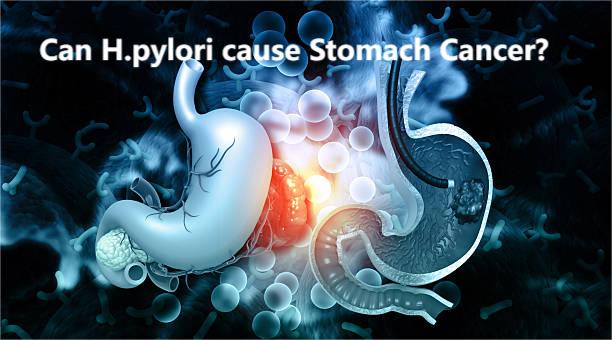
One of the strongest reasons to treat is cancer.
(→ Read in details Here: H. pylori and stomach cancer)
WHO: H. pylori is responsible for 89% of non-cardia gastric cancers.
Eradication in high risk groups significantly reduces the risk of cancer.
WHO: Helicobacter pylori and gastric cancer
Conclusion and call to action
So, should asymptomatic H pylori be treated? The answer is: it depends. Not every silent infection requires immediate antibiotics, but in high risk individuals, treatment can be life saving.
My advice as a doctor: Don’t panic if you test positive. Talk to your doctor about your personal risks, family history, and regional factors before making a decision.
I’d love to hear from you do you think silent infections should always be treated? Share your thoughts in the comments, or ask a question below. If you’re concerned, talk to your doctor today.
FAQS
No. Diet may reduce inflammation but cannot eradicate the bacteria. Antibiotics are required.
Eradication is confirmed at least 4 weeks after treatment completion using a urea breath test, stool antigen test, or gastric biopsy.
Treatment is generally not recommended for most asymptomatic individuals. However, treatment may be considered for those at higher risk of complications like gastric cancer or ulcers.
Though many remain symptom-free, untreated infection can increase the risk of peptic ulcers, gastritis, and gastric cancer in some individuals.
Some remain symptom-free for life, but others may develop gastritis, ulcers, or even stomach cancer years later.
To prevent unnecessary antibiotic exposure and reduce the risk of antibiotic resistance, especially when the infection is not causing symptoms or damage.
🧑⚕️ About the Author
Dr. Asif, MBBS, MHPE
Dr. Asif is a licensed medical doctor and qualified medical educationist with a Master’s in Health Professions Education (MHPE) and 18 years of clinical experience. He specializes in gut health and mental wellness. Through his blogs, Dr. Asif shares evidence-based insights to empower readers with practical, trustworthy health information for a better, healthier life.
⚠️ Medical Disclaimer
This blog is intended for educational and informational purposes only. It is not a substitute for professional medical advice, diagnosis, or treatment. Always seek the advice of your physician or another qualified healthcare provider with any questions you may have regarding a medical condition. Never disregard or delay medical advice based on content you read here.
Leave a Reply