

Introduction
H Pylori Symptoms and Treatment: What You Need to Know. Do you often struggle with bloating, nausea, or persistent stomach pain? You’re not alone. In my daily practice, I often see patients who are silently suffering from unexplained digestive problems only to discover that the underlying cause is H. pylori, a common but potentially serious stomach infection.
Understanding H Pylori symptoms and treatment is important because this spiral-shaped bacteria can silently cause gastritis, peptic ulcers, and even increase your risk of stomach cancer if left untreated. But the good news is: It’s treatable!
In this comprehensive guide, I’ll walk you through the most common H pylori symptoms, show you how to get tested for it (even at home), go over treatment of H pylori, share how to deal with antibiotic side effects, and offer a healing diet to help you recover.
H pylori symptoms and treatment:
H. pylori is a bacteria that infects the stomach lining and can cause symptoms such as abdominal pain, bloating, nausea, and ulcers. Treatment for H pylori usually involves a combination of antibiotics and acid reducing medications to eliminate the bacteria and promote stomach healing.
H pylori symptoms: what to look for.
As I’ve experienced in my clinical practice, many patients with H. pylori have no obvious symptoms in the early stages. However, when H pylori symptoms do appear, they can be uncomfortable and sometimes mistaken for other digestive disorders.
Common H pylori symptoms include:
- Abdominal pain or burning
- Bloating and frequent belching
- Nausea or vomiting
- Loss of appetite
- Unexplained weight loss
- Bad breath (halitosis)
- Feeling full quickly when eating
Red flag H pylori symptoms such as vomiting blood or black stools may indicate a bleeding ulcer and require immediate medical attention.
How does H pylori cause gastritis and ulcers?
H. pylori infects the stomach lining by burrowing into the protective mucus layer and releasing enzymes and toxins that damage the underlying tissue. It triggers the body’s immune response, which causes inflammation, also known as gastritis. Over time, constant irritation and exposure to acid can wear down the stomach lining, which can lead to peptic ulcers. In my clinical practice, I often see patients with chronic indigestion or upper stomach pain who have ulcers caused by untreated H. pylori infection.
How to Test for H Pylori (Including Home Options)
In my clinic, I always start with a proper diagnosis before starting any treatment. Fortunately, testing for H. pylori is easy and accessible.
Testing methods:
- Urea breath test (non-invasive and accurate)
- Stool antigen test (best for confirming infection and treatment success)
- Blood test (detects antibodies, but less reliable)
- Endoscopy with biopsy (recommended if ulcers or complications are suspected)
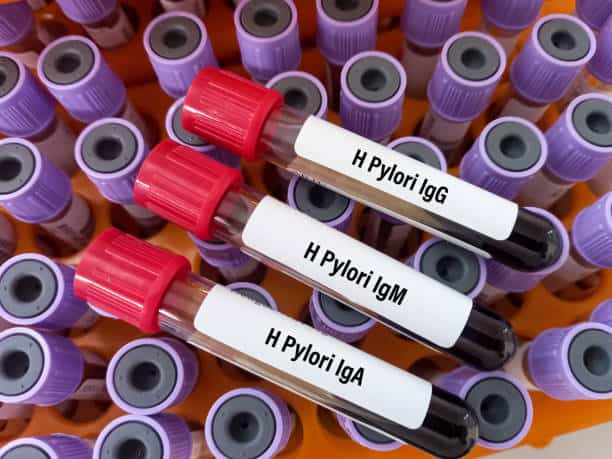
Home testing kits
You can now test for H. pylori at home using FDA-approved breath or stool kits. These are available online and in pharmacies. However, results should be reviewed by a doctor for proper interpretation and treatment planning.
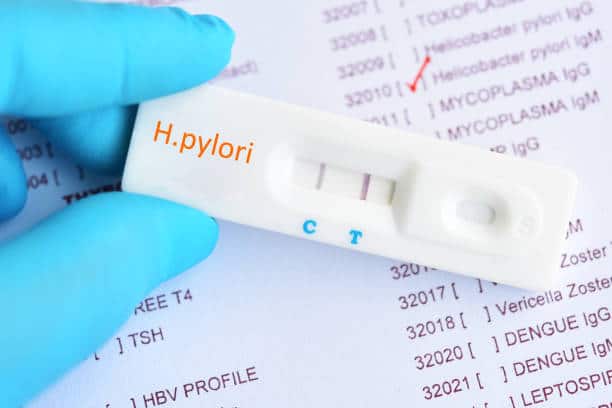
Related resource: CDC – H. pylori Testing Information
Treatment of H pylori: What really works?
Effective treatment of H pylori requires a combination of medications, commonly known as triple therapy.
Standard treatment (triple therapy);
- Proton pump inhibitor (PPI) – reduces stomach acid. Take one cap/tab 40mg on empty stomach
- Clarithromycin – antibiotic Take 500 mg two times on empty stomach
- Amoxicillin or metronidazole – antibiotic Take Amoxicillin 1000 mg two times after food or Metronidazole 400 mg two time after food.
This regimen usually lasts 10-14 days. Eradication rates are about 80-90% with proper adherence.
Alternative treatments:
If standard triple therapy fails or antibiotic resistance is suspected, doctors may use:
Quadruple therapy (includes bismuth)
Sequential therapy (different antibiotics in stages)
Levofloxacin-based therapy (for resistant strains)
Further reading: Global Gastroenterology Guidelines – H. pylori Management https://www.worldgastroenterology.org
Dealing with side effects of triple therapy
As many of my patients report, triple therapy can be tough on the stomach. Side effects such as nausea, diarrhea, a metallic taste, or fatigue are common.
Tips for managing side effects:
- Take antibiotics with food to reduce nausea
- Stay hydrated
- Use probiotics (e.g., yogurt, supplements) to protect gut flora
- Avoid alcohol during treatment.
Consult your doctor if symptoms worsen.
Read here about H pylori Antibiotics side effects and how to reduce it.
H Pylori Diet: Healing foods
While medications do the heavy lifting, diet plays a key role in healing the stomach lining and boosting your immune response.( Read in details about h pylori diet plan here)
Foods:
- Probiotic-rich foods: yogurt, kefir, kimchi
- High-fiber vegetables: broccoli, cabbage, kale
- Green tea and garlic: May inhibit the growth of H. pylori.
- Lean protein and healthy fats
Foods to avoid:
- Spicy and acidic foods
- Processed meats
- Caffeine and alcohol
- Carbonated beverages
As I always tell my patients, eating smaller, more frequent meals can also reduce stomach irritation.
When to see a doctor
You should consult a healthcare provider if you:
- Symptoms last more than a few weeks
- See blood in your vomit or stool
- Experience weight loss or fatigue
- Have a family history of gastric cancer
Early detection and treatment are key to preventing complications.
H pylori is contagious?
Yes, H pylori is contagious, and it can spread from person to person. The most common routes of transmission include oral-oral (through saliva), fecal-oral (through contaminated food or water), and poor hygiene practices. This is why it is more common in crowded living conditions or areas with limited access to clean water. In families, I often see multiple members affected, which highlights the importance of good hygiene and proper hand washing to prevent spread.
The bottom line: Don’t ignore the symptoms.
H. pylori is more common than most people think and it’s treatable. Whether you’re dealing with chronic indigestion, ulcers, or unexplained nausea, it’s worth getting tested and getting the right treatment.
By combining medical treatment of h pylori with supportive lifestyle changes and a healing diet, you can protect your gut and regain your health.
In my clinical experience, timely treatment makes all the difference in the world so don’t wait!
FAQS
H. pylori can be diagnosed through several methods: a urea breath test, stool antigen test, blood test (though less common for active infection), and sometimes an endoscopy with biopsy for more definitive diagnosis and to check for ulcers.
The actual H. pylori eradication treatment usually lasts 10-14 days. Symptom relief can begin within a few days to a week after starting treatment. Complete healing of the stomach lining and full recovery from symptoms might take several weeks to a few months after the bacteria has been successfully eradicated. A follow-up test is usually done to confirm eradication.
Many people with H. pylori don’t experience symptoms. When symptoms do occur, they often include a burning or gnawing pain in the abdomen (especially when the stomach is empty), bloating, nausea, frequent burping, loss of appetite, and unexplained weight loss.
The standard treatment for H. pylori is usually a “triple therapy” or “quadruple therapy.” This involves a combination of two antibiotics to kill the bacteria, along with a proton pump inhibitor (PPI) to reduce stomach acid, and sometimes bismuth subsalicylate. The treatment typically lasts 10-14 days.
🧑⚕️ About the Author
Dr. Asif, MBBS, MHPE
Dr. Asif is a licensed medical doctor and qualified medical educationist with a Master’s in Health Professions Education (MHPE) and 18 years of clinical experience. He specializes in gut health and mental wellness. Through his blogs, Dr. Asif shares evidence-based insights to empower readers with practical, trustworthy health information for a better, healthier life.
⚠️ Medical Disclaimer
This blog is intended for educational and informational purposes only. It is not a substitute for professional medical advice, diagnosis, or treatment. Always seek the advice of your physician or another qualified healthcare provider with any questions you may have regarding a medical condition. Never disregard or delay medical advice based on content you read here.
Leave a Reply