

Introduction
What causes gastritis and peptic ulcer? It’s a question I hear often in my medical practice and for good reason. These stomach problems are not only common, but often misunderstood.
Have you ever experienced a burning pain in your upper abdomen, especially after eating? You’re not alone. Many patients are confused about their symptoms, unsure whether it’s just gas, mild indigestion, or something more serious like an ulcer.
Understanding what causes gastritis and peptic ulcer is essential for their management and prevention. In this blog, we’ll explore the most common triggers, how they affect your digestive system, and most importantly how to protect your stomach in the long term.
What are gastritis and peptic ulcers?
Before we dive into the causes of gastritis and peptic ulcer, let’s clarify what we’re dealing with.
Gastritis
- Gastritis is inflammation of the stomach lining. It can be acute (short-term) or chronic (long-term). Symptoms often include:
- Upper abdominal pain
- Nausea or vomiting
- Bloating
- Loss of appetite
Peptic ulcers
A peptic ulcer is an open sore that develops in the lining of the stomach (gastric ulcer) or the upper part of the small intestine (duodenal ulcer). Symptoms are often similar to gastritis but can be more severe:
- Heartburn
- Pain that gets better or worse with eating.
- Occasional vomiting or black stools (in severe cases)
What causes gastritis and peptic ulcer (and how to avoid them)
The following are the main causes of gastritis and peptic ulcer.
1. Helicobacter pylori (H. pylori) infection
In my daily practice, I often see patients who unknowingly carry H. pylori, a bacteria that lives in the stomach and weakens the protective lining. H. pylori is among the most common causes of gastritis and peptic ulcer.
How it causes the disease:
It causes inflammation (gastritis) and allows stomach acid to damage the tissue, leading to ulcers.
How to prevent it:
- Avoid drinking untreated water or eating contaminated food.
- Practice good hygiene, especially hand washing.
- If symptoms persist, get tested for H. pylori through a breath or stool test.
Reference link:
World Health Organization – H. pylori Infection
2. Overuse of NSAIDs Causes Gastritis and even Peptic ulcer
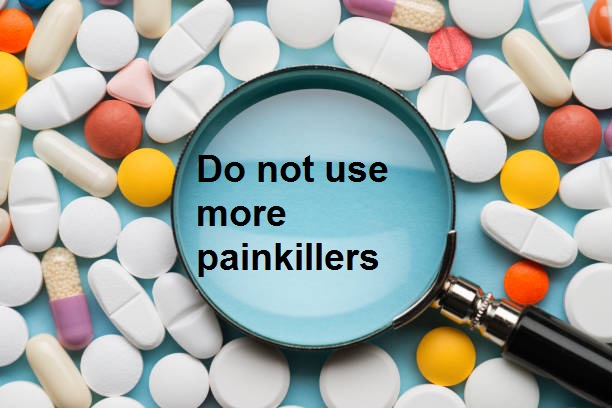
Drugs like ibuprofen, naproxen, and aspirin are common culprits behind damage to the stomach lining and among the most common causes of gastritis and peptic ulcer where over the counter prescription is not controlled.
How it causes the disease:
NSAIDs block prostaglandins, which normally protect your stomach lining. Without them, acid can eat away at the lining, causing ulcers.
How to prevent it:
- Use pain relievers only when needed.
- Never take NSAIDs on an empty stomach.
- Consider a safer alternative like acetaminophen (if appropriate)
3. Excessive alcohol consumption
As I have observed in patients with chronic stomach complaints, heavy alcohol consumption is a red flag.
How it causes the disease:
Alcohol irritates and damages the stomach lining, increasing acid production and inflammation.
How to avoid it:
- Limit alcohol intake to moderate levels.
- Avoid drinking on an empty stomach.
- If alcohol dependence is suspected, seek help.
4. Smoking
Smoking not only increases acid production but also slows the healing of existing ulcers.

How it causes the disease:
It reduces blood flow to the stomach lining and weakens the protective mucus layer.
How to avoid it:
Quit smoking with the help of support programs or medications.
Avoid exposure to secondhand smoke.
5. Stress (yes, it plays a role!)
In my clinical experience, patients with prolonged emotional or physical stress often report worsening of their gastrointestinal symptoms.
How it causes the condition:
While stress itself may not cause ulcers, it increases acid secretion and delays healing – exacerbating both gastritis and ulcers.
How to avoid it:
- Practice stress management: meditation, exercise, adequate sleep
- Seek counseling if stress becomes chronic.
- Eat regularly and avoid skipping breakfast.
6. Spicy and acidic foods
Although not the root cause, they often worsen symptoms and delay healing.
How it causes the condition:
They irritate the inflamed lining and increase discomfort.
How to avoid it:
- Avoid very spicy, fried, or acidic foods.
- Follow a gastritis-friendly diet (like oatmeal, bananas, yogurt, etc.)
Reference link:
Harvard Health – Diet and Stomach Health
7. Skipping meals and poor eating habits
Many patients, especially busy professionals, skip meals or eat late at night – a trend I often see in the clinic.
How it causes the condition:
An empty stomach allows acid to act on the lining, increasing the risk of inflammation and ulcers.
How to avoid it:
- Eat small, regular meals.
- Avoid large, late-night meals.
- Chew your food well and eat slowly.
8. Medical conditions (for example, Zollinger-Ellison Syndrome)
Rare, but some conditions cause too much acid production and increase the risk of ulcers.
How to avoid it:
Get regular checkups and tests if symptoms are not obvious
Follow your doctor’s advice for ongoing acid control therapy.
9. Bile Reflux and Its Role in Gastritis and Peptic Ulcers
Bile reflux is an often overlooked cause of gastritis and peptic ulcers. Unlike acid reflux, which involves stomach acid flowing upward into the esophagus, bile reflux occurs when bile from the small intestine flows back into the stomach.
This backflow of bile can damage the protective lining of the stomach, causing inflammation, irritation, and in some cases, ulcers. Patients with persistent bile reflux may experience upper abdominal pain, nausea, or even vomiting of bile-stained fluid.
It is important to address bile reflux because long-term irritation increases the risk of chronic gastritis and peptic ulcers.
10. Autoimmune disease as a cause of gastritis and peptic ulcers
Another important but less common cause of gastritis and peptic ulcers is autoimmune gastritis. In this condition, the body’s own immune system mistakenly attacks the stomach lining, specifically the cells that produce stomach acid and intrinsic factor (important for absorbing vitamin B12).
This chronic immune attack weakens the protective lining of the stomach, making it more prone to inflammation and ulcers. Over time, autoimmune gastritis can lead to vitamin B12 deficiency, anemia, and an increased risk of ulcers.
It is very important to recognize an autoimmune disease as a cause, especially in patients who have other autoimmune disorders such as thyroid disease or type 1 diabetes.
Summary: Quick tips how to protect your stomach
How to protect your stomach watch out for these tips:
- Wash your hands and eat clean to avoid H. pylori.
- Use painkillers wisely and always with food.
- Limit alcohol and quit smoking.
- Actively manage stress.
- Follow a stomach-friendly diet.
- Don’t skip meals.
When to see a doctor
Don’t ignore persistent stomach pain, bloating, or vomiting. Especially if:
- Your pain lasts for more than a few days.
- You see blood in your stool or vomit.
- You feel unusually weak or tired.
Early diagnosis can prevent complications like bleeding ulcers or chronic gastritis.
Conclusion: Take control of your digestive health
Understanding what causes gastritis and peptic ulcer empowers you to make healthy choices. As a doctor, I encourage my patients to not just treat the symptoms, but to address the underlying causes whether it’s an infection, medication, or lifestyle.
Remember: Small changes to your habits today can prevent major health problems tomorrow.
FAQS
While stress doesn’t directly cause gastritis or peptic ulcers in most cases, it can significantly worsen symptoms and delay healing for individuals who already have these conditions. Severe physiological stress (e.g., from major surgery, burns, or critical illness) can, however, lead to “stress ulcers.”
To prevent gastritis and peptic ulcers, avoid excessive NSAID use, limit alcohol consumption, practice good hygiene to reduce H. pylori risk, manage stress, and identify and avoid any personal food triggers. Quitting smoking is also crucial, as smoking increases risk.
Warning signs of a stomach ulcer include a burning stomach pain (often worse when the stomach is empty), bloating, heartburn, nausea, vomiting, and feeling full quickly. In severe cases, black or tarry stools, vomiting blood, or sudden sharp abdominal pain require immediate medical attention.
While specific “trigger” foods vary by individual, common culprits that can exacerbate gastritis symptoms include highly acidic foods (e.g., citrus fruits, tomatoes), spicy foods, fatty foods, caffeine, and alcohol. It’s best to identify and avoid your personal triggers.
The most common cause of gastritis is infection with the bacterium Helicobacter pylori (H. pylori). Other significant causes include long-term use of NSAIDs (nonsteroidal anti-inflammatory drugs like ibuprofen and naproxen), excessive alcohol consumption, and autoimmune reactions.
🧑⚕️ About the Author
Dr. Asif, MBBS, MHPE
Dr. Asif is a licensed medical doctor and qualified medical educationist with a Master’s in Health Professions Education (MHPE) and 18 years of clinical experience. He specializes in gut health and mental wellness. Through his blogs, Dr. Asif shares evidence-based insights to empower readers with practical, trustworthy health information for a better, healthier life.
⚠️ Medical Disclaimer
This blog is intended for educational and informational purposes only. It is not a substitute for professional medical advice, diagnosis, or treatment. Always seek the advice of your physician or another qualified healthcare provider with any questions you may have regarding a medical condition. Never disregard or delay medical advice based on content you read here.


Leave a Reply