

Introduction
Gastritis friendly foods is one of the best way to deal chronic Gastritis. Do you often experience heartburn, especially after eating? If so, you’re not alone. Gastritis inflammation of the stomach lining is a common condition that I often encounter in my clinical practice. Many patients come to me confused about what they can and can’t eat. The good news? With the right gastritis diet, you can soothe your stomach and speed up healing. Many patients also confused gastritis with peptic ulcer.
In this blog, I’ll walk you through gastritis friendly foods, stomach-soothing drinks, helpful herbal remedies,gastritis diet plan and a list of key foods to avoid. Whether you have acute or chronic gastritis, these tips are designed to help ease discomfort and prevent flare-ups backed by both medical science and real-world clinical experience.
Gastritis Friendly Foods
Gastritis friendly foods are bland, easy-to-digest options that soothe the stomach lining and reduce irritation. These include non-spicy vegetables (such as carrots, pumpkin, spinach), lean proteins (chicken, fish, tofu), non-citrus fruits (bananas, apples, pears), whole grains (oats, brown rice), and probiotic-rich yogurt. Avoiding fried, acidic, and overly spicy foods helps promote healing and prevent flare-ups of symptoms.
What is gastritis?
Gastritis is irritation or inflammation of the stomach lining. It can be caused by:
- Infection with Helicobacter pylori
- Repeated use of NSAIDs like ibuprofen
- Stress
- Excessive alcohol consumption
- Acidic or spicy foods
Symptoms often include:
- Burning or grinding pain
- Nausea or vomiting
- Bloating and gas
- Loss of appetite
A gastritis friendly diet plays a key role in managing these symptoms and protecting your stomach lining from further damage.
Gastritis friendly foods that you should include in Gastritis Diet.
In my daily practice, I often see patients who feel significantly better by making small changes to their diet. Here is a list of foods that are gentle on the stomach and can help reduce inflammation.
Best Gastritis Friendly Foods
If you’re struggling with gastritis, choosing the right foods can make a big difference in reducing heartburn, soothing stomach pain, and aiding healing. Below are some of the best gastritis friendly foods and how they help protect your stomach.
1. Oatmeal – Soft and Soothing
Oatmeal is rich in soluble fiber, which helps regulate digestion and makes you feel full without irritating the stomach lining. It also forms a protective coating inside the stomach, reducing acid irritation. A warm bowl of plain oatmeal is one of the safest breakfast options for gastritis sufferers.
2. Bananas – Natural Stomach Protector
Bananas are naturally low in acidity and high in pectin, a soluble fiber that forms a gel-like layer in the stomach. It not only helps reduce stomach irritation but also supports healthy digestion. Eating a ripe banana can instantly reduce the discomfort caused by a gastritis flare up.
3. Boiled Potatoes and Carrots – Easy to Digest Vegetables
Soft, boiled vegetables like potatoes and carrots are gentle on the digestive system. They provide essential vitamins, minerals and energy without adding extra fat or acid. Since they are easily digested, they reduce the risk of stomach irritation while still being highly nutritious.
4. Cooked Rice and Plain Pasta – Comfort Carbohydrates
Simple carbohydrates like rice and pasta are bland, non-acidic and non-irritating. They absorb excess stomach acid and provide a quick source of energy. For gastritis sufferers, plain boiled rice or lightly cooked pasta is a safe and satisfying choice with minimal seasoning.
5. Lean Proteins – Chicken, Turkey, and Fish
Protein is essential for healing, but fried or fatty meats can worsen gastritis. Lean sources like boneless chicken, turkey, and fish are best when grilled, broiled, or baked. These proteins are easily digested and help repair tissue, making them an important part of a gastritis-friendly diet.
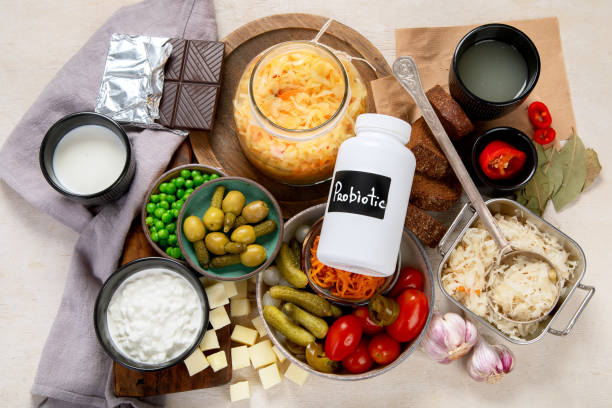
6. Yogurt with Probiotics – Restore Gut Balance
Low fat, unsweetened yogurt with live probiotics helps restore healthy gut bacteria, which can improve digestion and reduce inflammation. However, full fat or flavored yogurts should be avoided as they can irritate the stomach. Probiotics also support overall gut health, which is beneficial for managing chronic gastritis.
7. Non-Citrus Fruits – Apples, Melons and Pears
While citrus fruits are acidic and often trigger gastritis symptoms, non citrus options are milder and packed with vitamins. Apples, melons and pears provide natural sweetness, hydration and antioxidants without upsetting the stomach. Eating them peeled and soft is even better for easier digestion.
8. Green Leafy Vegetables – Spinach and Kale
Leafy vegetables are nutritious and low in acidity, making them a great choice for gastritis sufferers. Spinach and kale provide iron, calcium and vitamins without irritating the stomach. Cooking them lightly (steamed or boiled) makes them easier to digest while preserving their health benefits.
Doctor’s Tip:
When dealing with gastritis, it’s not just about what you eat but how you prepare it. Always choose steamed, boiled, or grilled options instead of fried or heavily spiced foods. Small, frequent meals are easier on the stomach than large, heavy meals.
Soothing drinks for gastritis
Hydration is key but not all drinks are created equal when it comes to sensitive stomachs.
Stomach Soothing Drinks for gastritis
- Chamomile tea: Anti-inflammatory and helps soothe the stomach lining.
- Warm water with honey: Gentle and naturally healing.
- Aloe vera juice (unsweetened): Known for its soothing and healing properties.
- Coconut water: Hydrating and anti-acid.
- Slippery elm tea: Creates a soothing coating on the digestive tract.
Herbal Remedies for Gastritis
Herbal remedies should be included in gastritis friendly foods to help you in Gastritis.
Many herbs are known to reduce inflammation and support gut health.
Effective Herbal Remedies for gastritis
- Licorice Root (DGL): Helps protect the stomach lining and reduce irritation.
- Ginger: A natural anti-inflammatory that can be taken as a tea or in small amounts with meals.
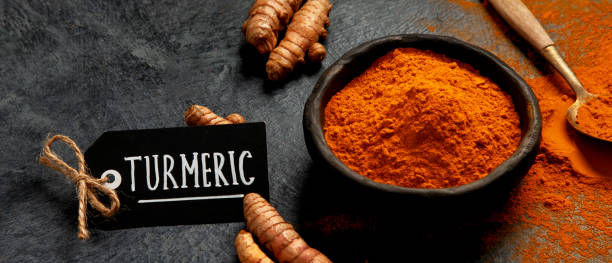
- Turmeric: Contains curcumin, which fights inflammation and aids in healing.
- Marshmallow root: Forms a protective mucus layer on the stomach lining.
You can learn more about herbal anti-inflammatory agents in the Cleveland Clinic’s Guide to Digestive Health.
Note: Always consult your doctor before starting herbal supplements, especially if you are taking medication.
What foods heal gastritis quickly?
Some foods not only reduce symptoms but also promote faster healing of the stomach lining. These include cabbage juice, which is rich in L-glutamine and has been shown in studies to help repair the mucosal lining. Bone broth is another great option it contains amino acids like glycine and proline, which aid in gut healing. Fermented foods like plain yogurt, kefir, or sauerkraut (in small amounts) can help restore healthy gut bacteria, especially after a course of antibiotics. Papaya and aloe vera juice contain natural enzymes and anti-inflammatory properties that aid digestion and reduce irritation. Adding these foods to your diet while avoiding stimulants can speed recovery and improve your overall digestive health.
Foods to avoid with gastritis.
Even the smallest food mistake can trigger gastritis symptoms. Things to avoid:
Gastritis trigger foods
- Spicy foods (chili, black pepper)
- Citrus fruits (oranges, lemons)
- Tomato-based products (ketchup, pasta sauce)
- Fried and fatty foods
- Caffeine (coffee, energy drinks)
- Carbonated beverages
- Chocolate
- Alcohol
In my clinical experience, cutting out these trigger foods leads to significant symptom relief within days in most patients.
Sample One-Day Gastritis Friendly Diet Plan
Here’s a basic plan to help guide your food choices:
Breakfast:
Oatmeal topped with banana slices, chamomile tea.
Lunch:
Grilled chicken breast, steamed spinach, steamed potatoes, coconut water
Snack:
Low fat yogurt, soft pears
Dinner:
Rice with steamed carrots and zucchini, slipper elm tea
Lifestyle tips to support a Gastritis Friendly Foods
In addition to dietary changes, the following tips may speed your recovery:
- Eat smaller, more frequent meals.
- Avoid eating before bedtime.
- Don’t lie down immediately after eating.
- Manage stress through yoga, meditation, or walking.
- Quit Smoking
Read more about how to support your gut health in this resource from Harvard Medical School.
The bottom line: Your stomach needs gentle care.
Managing gastritis isn’t just about medication your food choices play a powerful role. By focusing on gastritis friendly foods, soothing herbal drinks, and avoiding triggers, you can reduce symptoms and protect your stomach lining long term.
As a doctor, I’ve seen countless patients transform their digestive health simply by eating smarter. You can too.
FAQS
Eggs are generally safe for gastritis when boiled, poached, or scrambled with minimal oil. They provide protein without irritating the stomach. However, fried or heavily spiced eggs may worsen symptoms. Choosing soft-cooked eggs and pairing them with other bland foods can make them more stomach-friendly.
Mild gastritis can improve within a week or two of dietary changes. Chronic gastritis may take longer and needs ongoing care.
Plain white or whole-wheat bread is usually well-tolerated in gastritis because it is low in fat and not very acidic. However, avoid bread with strong spices, seeds, or too much butter as they may irritate the stomach. Eating soft, simple bread in moderation can be a safe option for many people with gastritis.
Skipping meals can sometimes worsen gastritis symptoms. Small, frequent meals are usually better.
Milk may temporarily soothe the burning sensation of gastritis because it coats the stomach lining. However, it can also trigger excess acid production later, which might worsen symptoms in some people. Occasional small amounts of low-fat milk may be tolerated, but it is not a long-term treatment. Always consult a doctor for proper gastritis management.
White bread is not the best choice for gastritis because it is low in fiber and may digest quickly, leading to acid spikes. Whole grain bread is usually a better option as it supports digestion and gut health. If you have gastritis, it’s best to limit white bread and choose softer, fiber-rich options instead.
🧑⚕️ About the Author
Dr. Asif, MBBS, MHPE
Dr. Asif is a licensed medical doctor and qualified medical educationist with a Master’s in Health Professions Education (MHPE) and 18 years of clinical experience. He specializes in gut health and mental wellness. Through his blogs, Dr. Asif shares evidence-based insights to empower readers with practical, trustworthy health information for a better, healthier life.
⚠️ Medical Disclaimer
This blog is intended for educational and informational purposes only. It is not a substitute for professional medical advice, diagnosis, or treatment. Always seek the advice of your physician or another qualified healthcare provider with any questions you may have regarding a medical condition. Never disregard or delay medical advice based on content you read here.
Leave a Reply