

Introduction
Natural remedies for peptic ulcer is still the key to heal peptic ulcers naturally. Peptic ulcers can feel like a burning fire in your stomach, turning meals into moments of agony. While medications like proton pump inhibitors (PPIs) and antibiotics are often prescribed, many patients find relief through natural methods that are gentler on the body.
As I have experienced in my clinical practice, many patients are increasingly interested in natural treatment for peptic ulcer – not as an alternative, but as a powerful complement to conventional treatments. If you are one of them, this blog will guide you through safe, science-backed, and easy-to-follow natural remedies for peptic ulcer symptoms, support healing, and improve your gut health.
What is a peptic ulcer?
A peptic ulcer is a sore that forms in the lining of the stomach or upper part of the small intestine (duodenum), usually caused by:
- Helicobacter pylori (H. pylori) infection
- Long-term NSAID use (such as ibuprofen or aspirin)
- Excessive acid production
- Smoking or excessive stress
Common symptoms include:
- Heartburn
- Nausea
- Bloating
- A burning sensation in the chest and stomach
- In some cases, black or bloody stools (indicating bleeding)
Why consider natural Remedies for peptic ulcer?
Conventional medications work well, but they can come with side effects such as headaches, diarrhea, and nutrient deficiencies over time. In my daily practice, I often see patients who are dependent on PPIs or who experience recurring symptoms.
Natural remedies for peptic ulcer offer:
- Mild symptom relief
- Long-term gut health support
- Anti-inflammatory and antimicrobial benefits
- Fewer side effects
- Most importantly, natural options can be easily incorporated into your daily diet and lifestyle, making them practical and sustainable for the long haul.
Best Natural Remedies for Peptic Ulcer
Let’s explore effective natural remedies that help treat peptic ulcers.
1. Licorice Root (Deglycyrrhizinated Licorice – DGL)
Licorice root helps protect the stomach lining and may inhibit the growth of H. pylori.
Directions:
Take DGL tablets (chewable, 380 mg) 2-3 times daily 20 minutes before meals.
Avoid regular licorice due to possible side effects on blood pressure.
2. Slippery Elm is best natural remedies for peptic ulcer
Slippery elm contains mucilage that coats the stomach lining and reduces irritation.
Directions:
Mix 1 teaspoon of slippery elm powder in lukewarm water.
Drink it twice daily, especially before bed.
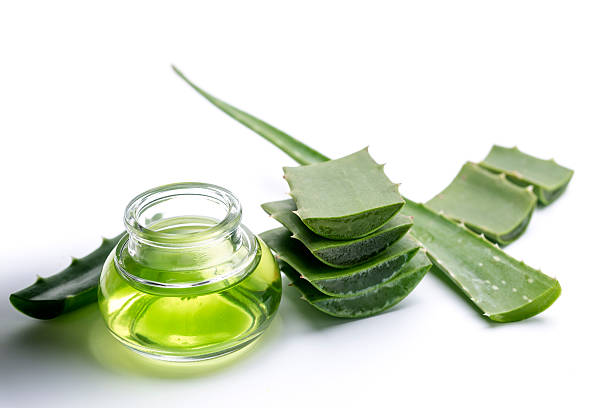
3. Aloe Vera Juice
Aloe vera has anti-inflammatory and wound-healing properties that help soothe ulcers.
Directions:
Drink ¼ to ½ cup of pure aloe vera juice before meals.
Make sure it is colorless and free of laxative compounds.
4. Cabbage Juice is best natural remedies for peptic ulcer
Rich in vitamin U and glutamine, cabbage juice is known to speed up the healing of ulcers.
Directions:
Blend raw cabbage and drink ½ to 1 cup 2-3 times a day.
Start small and increase slowly.
5. Honey
Honey, especially Manuka honey, has natural antibacterial activity and can inhibit H. pylori.
Directions:
Take 1 teaspoon daily in the morning or with lukewarm water.
Avoid in diabetics or use under guidance.
Herbal teas soothe ulcers and are best natural remedies for gastric ulcer.
Many herbal teas soothe ulcers as they act as natural antacids and reduce inflammation:
Chamomile tea
Relieves stomach pain and calms indigestion.
Drink 1-2 cups daily, especially after meals.

Ginger tea is among the most common natural remedies for peptic ulcer.
Natural anti-inflammatory and digestive aid.
Use 1-2 thin slices of fresh ginger in hot water. Drink before meals.
Marshmallow root tea
Soothes mucous membranes and reduces ulcer pain.
Steep 1 tablespoon of dried roots in hot water for 10-15 minutes. Drink up to 2 cups per day.
How to incorporate natural remedies into your daily routine.
You don’t have to change everything at once. Here’s a sample daily plan that easily integrates these remedies:
Morning:
1 teaspoon of Manuka honey with warm water
Aloe vera juice before breakfast
Before lunch:
Chew a DGL pill.
Optional: Ginger tea or cabbage juice
Evening:
Slippery elm tea after dinner
Chamomile tea before bed
Important: Be consistent. Natural remedies work best when taken regularly for several weeks.
Foods that help heal peptic ulcers.
Include:
- Bananas
- Leafy greens
- Broccoli sprouts (contains sulforaphane, which fights H. pylori)
- Oats
- Fermented foods (like yogurt and kefir)
Lifestyle changes to relieve and heal peptic ulcers
1. Eat smaller, more frequent meals.
Large meals can stretch the stomach lining and increase acid production, which can worsen ulcer pain. Instead of three large meals, aim for five to six small, balanced meals throughout the day. Eating at regular intervals also helps prevent acid reflux between meals.
2. Reduce stress and practice relaxation techniques.
Although stress does not directly cause ulcers, it can worsen symptoms and slow healing by increasing acid production and affecting digestion.
- Try deep breathing exercises for a few minutes several times a day.
- Gentle yoga stretches can relax the abdominal muscles.
- 10 minutes of meditation or mindfulness before bed can also improve digestive relaxation.
3. Avoid smoking.
Smoking reduces the production of bicarbonate (a natural acid buffer) in the stomach and slows the healing of ulcers. If quitting is difficult, seek medical help for nicotine replacement therapy or counseling.
4. Limit or avoid alcohol.
Alcohol irritates the stomach lining and increases acid secretion, which can delay ulcer healing. If you drink, keep it to a minimum and avoid drinking on an empty stomach.
5. Avoid NSAIDs and certain painkillers.
Medications such as ibuprofen, aspirin, and naproxen can damage the stomach lining. For pain relief, talk to your doctor about acetaminophen (paracetamol) or other safe alternatives.
6. Maintain a healthy sleep routine
Your body repairs itself during sleep. Aim for 7-9 hours of quality rest each night. Avoid lying down immediately after eating – wait at least 2-3 hours before going to bed to reduce acid reflux and heartburn.
7. Stay hydrated throughout the day
Drinking adequate water helps maintain a healthy mucus layer in the stomach lining. Sip water slowly rather than gulping down large amounts at once. Avoid excessive coffee, energy drinks, and carbonated soda, as these can worsen symptoms.
8. Stay active but avoid straining after meals.
Light to moderate activity, such as walking or stretching, helps with digestion. Avoid heavy exercise or bending over immediately after eating, as this can push acid up into the stomach and cause discomfort.
9. Follow your treatment plan exactly as prescribed.
If your ulcer is related to an H. pylori infection, complete the prescribed course of antibiotics even if you start to feel better. Stopping too early can cause the infection to return. Regular follow-ups help ensure that the ulcer is healing properly.
Conclusion: A holistic healing approach
Peptic ulcers can be painful, but they are manageable especially when you combine medical treatment with safe, natural remedies that nourish and protect your stomach lining.
As I have seen in my clinical practice, patients who adopt a holistic lifestyle gentle therapies, mindful eating, and stress management often experience better symptom control and fewer relapses.
Give your body the natural support it needs. Healing doesn’t always come in a pill sometimes, it’s found in your kitchen.
FAQS
In most cases, yes. However, check for drug-herb interactions — especially if you’re on blood pressure or blood-thinning meds.
No. Natural remedies can support healing but should not replace prescribed medications, especially in H. pylori-positive cases. Always consult your doctor.
You may need to use them for 4–6 weeks consistently to see noticeable results. Monitor your symptoms and follow up with your physician.
Yes! Studies show it promotes mucosal healing. Start with small amounts, as too much can cause gas in some people.
🧑⚕️ About the Author
Dr. Asif, MBBS, MHPE
Dr. Asif is a licensed medical doctor and qualified medical educationist with a Master’s in Health Professions Education (MHPE) and 18 years of clinical experience. He specializes in gut health and mental wellness. Through his blogs, Dr. Asif shares evidence-based insights to empower readers with practical, trustworthy health information for a better, healthier life.
⚠️ Medical Disclaimer
This blog is intended for educational and informational purposes only. It is not a substitute for professional medical advice, diagnosis, or treatment. Always seek the advice of your physician or another qualified healthcare provider with any questions you may have regarding a medical condition. Never disregard or delay medical advice based on content you read here.
Leave a Reply