

Introduction
Foods to avoid in recurrent kidney stones is an important topic for those who suffer from painful, recurring kidney stones. Dietary choices can either prevent or trigger stone formation, especially calcium oxalate stones, which are the most common type. In this comprehensive guide, we highlight the foods to avoid in recurrent kidney stones, those that can be eaten in moderation, and why these decisions are important for long term kidney health.
What are kidney stones and why does diet matter?
Kidney stones form when certain substances in the urine, such as calcium, oxalate, and uric acid, become too concentrated and crystallize. When these crystals accumulate, they form stones that cause severe pain, urinary problems, and frequent recurrences unless the underlying dietary causes are addressed.
Foods to Avoid in Recurrent Kidney Stones: A Complete Breakdown.
Let’s dive deep into foods to avoid in recurrent kidney stones to make sure you can eliminate the hidden culprits from your daily diet.
High Oxalate Foods – Key Triggers
Oxalate is a natural compound found in many plant based foods and is on the top in foods to avoid in recurrent kidney stones. When oxalate combines with calcium in the urine, it can form crystals, eventually forming stones. Those with a history of calcium oxalate stones should be extremely careful.
Foods to avoid completely (high oxalate foods):
- Spinach – Highest in oxalate; even cooked spinach remains dangerous.
- Beets – Extremely high oxalate levels that can increase stone formation.
- Almonds and cashews – Healthy but oxalate-rich nuts to avoid.
- Rhubarb – Contains soluble oxalate that is quickly absorbed.
- Sweet potatoes – Delicious but harmful in stone-forming individuals.
- Okra – Often overlooked, but very high in oxalates.
- Dark chocolate and cocoa powder – high in oxalates and harmful for people with recurrent stone disease.
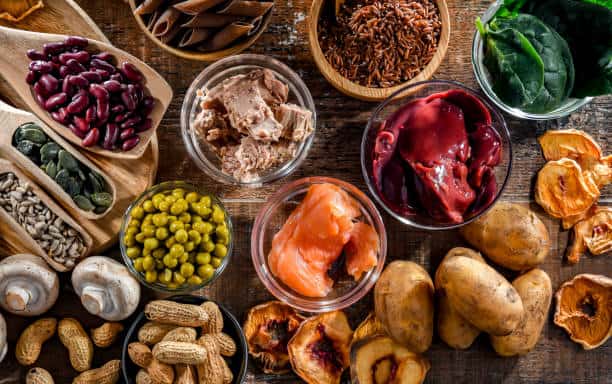
Note: These foods should be completely eliminated from your diet to avoid recurrence.
Foods that can be consumed in moderation.
While some oxalate-containing foods do not need to be eliminated, they should be consumed in moderation and always with calcium-rich foods to bind oxalates in the gut, reducing absorption.
Foods in moderation:
- Tea (black and green) – Moderate consumption with meals can be tolerated.
- Berries (strawberries, raspberries) – contain oxalates but are also rich in antioxidants.
- Potatoes (white) – Limit intake, peel before cooking, and boil to reduce oxalates.
- Whole wheat bread – Slightly higher in oxalates than white, but manageable if limited.
Pro tip: Pair moderate oxalate foods with calcium sources like dairy to reduce risk.
Calcium and kidney stones.
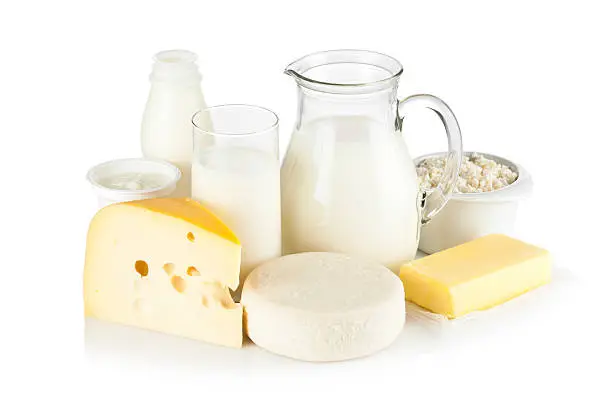
Calcium and kidney stones are often misunderstood. Many people think calcium should be avoided, but the truth is the opposite adequate calcium is essential for prevention. When your diet is low in calcium, the body absorbs more oxalate, which can then form stones. Including calcium-rich foods in the right amounts actually lowers the risk of kidney stones.
Calcium rich foods include
- Low-fat milk
- Cheese
- Yogurt
These help bind oxalates in the digestive tract, preventing their absorption into the bloodstream and subsequent excretion through the kidneys.
Stay hydrated: The simplest but most powerful strategy
Water dilutes substances in urine, preventing crystal formation. Aim for 2.5-3 liters of fluid intake per day. Include:
Lemon juice (such as lemonade) naturally rich in citrate, which helps prevent stone formation.
Plain water – most effective and always safe.
Avoid:
- Colas and soft drinks – especially those containing phosphoric acid and added sugars.
- Energy drinks – can cause dehydration and increase the risk.
Animal protein – a hidden danger
High consumption of animal protein increases uric acid production and lowers citrate levels, creating a favorable environment for stone formation.
Limit your intake of:
- Red meat
- Organ meats (liver, kidney)
- Shellfish
- Poultry skin
- Choose plant-based proteins like lentils and chickpeas in moderation (watch out for oxalates) and avoid sources high in purines.
Sodium – the silent contributor
High sodium intake promotes calcium excretion in the urine, increasing the risk of calcium-based stones.
Avoid or reduce:
- Processed foods
- Canned soups
- Pickles and chips
- Fast food
Aim for less than 2,300 mg of sodium per day check food labels carefully.
Sample Low Oxalate foods Plan (1 Day)
Following are low oxalate foods include it in your Diet
Breakfast:
Oatmeal with banana slices (cooked in water)
Low-fat milk
Herbal tea
Lunch:
Grilled chicken breast
White rice
Zucchini steamed with olive oil
Fresh pears
Dinner:
Baked salmon
Steamed cabbage and carrots
White bread with low-sodium cheese
Lemon water
Ultimate tips for preventing kidney stones.
1. Limit high oxalate food.
Spinach, nuts, and beets are nutritious, but too much can fuel stones. Combine them with calcium to reduce oxalate absorption. Limit high oxalate food to be stones free.
2. Be wary of vitamin C supplements
While vitamin C supports the immune system, more than 500 mg per day can be converted to oxalate in the body, increasing the risk of stones. Stick to moderate amounts unless otherwise advised.
3. Moderate meat consumption
Enjoy lean meats and seafood in sensible portions. Too much raises uric acid and depletes natural stone-busting agents like citrate.
4. Choose fresh, whole foods.
Packaged snacks, sugary sodas, and processed foods are loaded with salt and chemicals that put a strain on the kidneys. Fresh, homemade meals support better urine chemistry.
5. Drink water regularly.
Hydration is your kidneys’ best defense. Aim for clear or pale yellow urine by sipping water throughout the day.
6. Add a touch of lemon.
Lemon juice or citrus fruits increase urinary citrate, which prevents crystal formation.
7. Watch your salt
Too much sodium increases urinary calcium. Replace your salt shaker with herbs, garlic, or spices for flavor.
8. Balance calcium wisely
Get calcium from food sources (dairy, fortified alternatives, leafy greens) rather than relying too heavily on supplements. This prevents oxalate overload in the urine.
9. Maintain a healthy weight
Excess body weight changes the way the kidneys handle acids and minerals, increasing the risk of both calcium and uric acid stones. Gradual weight management helps prevent recurrence.
10. Monitor your urine pH (with medical guidance)
For people with uric acid or cystine stones, keeping your urine at the right pH is key. Your doctor may recommend dietary changes or medications to help maintain balance.
11. Stay active
Exercise helps regulate calcium use in your bones and kidneys. Even a daily walk or light exercise reduces your risk of stones compared to a sedentary lifestyle.
12. Follow your prescribed medications.
Some patients benefit from medications such as potassium citrate, thiazide diuretics, or allopurinol. These directly correct the chemical imbalances that drive stones.
13. Don’t skip regular checkups.
Once you’ve had a kidney stone, you’re more likely to get another one. Follow-up urine tests and scans help catch problems early and guide prevention strategies.
By combining hydration, smart nutrition, lifestyle balance, and medical guidance, you can break the cycle of recurring kidney stones and keep your kidneys healthy for the long term.
Conclusion
Avoiding foods that cause frequent kidney stones is not just a recommendation, it is a commitment to a pain free life. By eliminating high oxalate food and stone promoting foods, managing sodium and protein intake, and staying well hydrated, we can significantly reduce the risk of recurrent stones. It’s not about deprivation it’s about making smart dietary choices for a healthy future.
FAQS
White potatoes, if peeled and boiled, can be eaten in moderation. Avoid sweet potatoes due to higher oxalate content.
Yes. Dietary calcium from milk and yogurt helps bind oxalate in the gut, reducing stone formation risk.
Aim for 2.5 to 3 liters of water daily to dilute urine and prevent stone-forming crystal buildup.
Yes. Lemons are rich in citrate, which helps inhibit stone formation. Drink fresh lemon water daily for added protection.
It’s best to avoid almonds, cashews, and peanuts, as they are high in oxalates. Occasionally eating low-oxalate nuts in small quantities may be acceptable.
🧑⚕️ About the Author
Dr. Asif, MBBS, MHPE
Dr. Asif is a licensed medical doctor and qualified medical educationist with a Master’s in Health Professions Education (MHPE) and 18 years of clinical experience. He specializes in gut health and mental wellness. Through his blogs, Dr. Asif shares evidence-based insights to empower readers with practical, trustworthy health information for a better, healthier life.
⚠️ Medical Disclaimer
This blog is intended for educational and informational purposes only. It is not a substitute for professional medical advice, diagnosis, or treatment. Always seek the advice of your physician or another qualified healthcare provider with any questions you may have regarding a medical condition. Never disregard or delay medical advice based on content you read here.
Leave a Reply