

Introduction
misuse of antibiotics this is an important message that healthcare professionals around the world are pushing more than ever. In recent years, the misuse of antibiotics has created a silent but growing public health crisis. As a collective medical community, we must emphasize the importance of responsible antibiotic use to prevent devastating consequences such as drug-resistant infections, prolonged illness, and rising healthcare costs.
Understanding the consequences of misuse of antibiotics
Misuse of Antibiotics is not just a medical concern. It is a global threat. When people take antibiotics without proper medical supervision or use them inappropriately, they contribute to the development of antibiotic-resistant bacteria. These superbugs are difficult to treat, require stronger drugs, and increase the risk of complications and death.
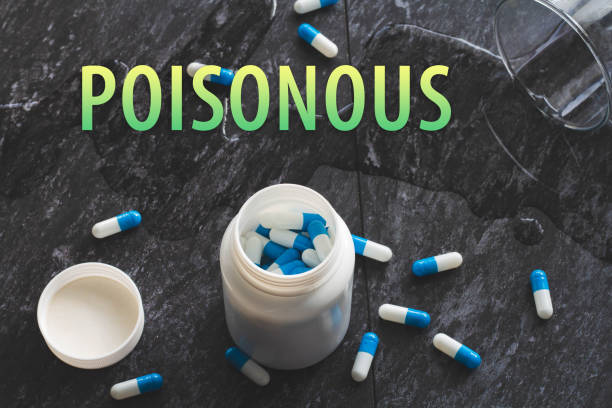
Misuse of antibiotics occur when its taken for:
- For viral infections such as the flu or common cold
- Without a prescription
- In the wrong doses
- For incomplete durations
- Based on non-evidence-based practices
Proper indications for antibiotic use
To combat misuse, it is important to highlight the appropriate indications for antibiotic therapy. Antibiotics are only effective against bacterial infections and should be used under strict medical guidance. Appropriate conditions for prescribing antibiotics include:
- Bacterial pneumonia
- Urinary tract infections (UTIs)
- Strep throat confirmed by throat swab.
- Bacterial sinusitis lasting more than 10 days.
- Skin infections such as cellulitis or abscesses
- Typhoid fever
- Acute bacterial gastroenteritis
- Confirmed bacterial meningitis
In contrast, antibiotics should not be used for:
- Common cold
- Viral sore throat
- Viral gastroenteritis
- COVID-19 (unless a secondary bacterial infection is suspected)
Over the counter antibiotics: a dangerous practice
Over the counter antibiotics is one of the most dangerous contributors to misuse of antibiotics is the availability of antibiotics over the counter, especially in countries where regulations are weak. Allowing unrestricted access leads to:
Self-diagnosis and mistreatment
Inconsistent doses
Lack of follow-up on adverse effects
Governments should implement strict prescription-only policies and hold pharmacies accountable for illegal sales Pharmacists must also be educated and organized to ensure they are part of the solution, not the problem.
Physicians should lead by example.
While patient demand and time constraints play a role, some physicians prescribe antibiotics without appropriate indications to avoid conflict or diagnostic uncertainty. This must stop. We, as healthcare providers, must:
- Trust clinical evidence and diagnostic tools.
- Educate patients about why antibiotics are not always needed
- Avoid using antibiotics as a default response.
- Follow local and international recommended guidelines.
- Responsible prescribing starts with clear communication, patient education, and clinical discipline.
Antibiotic resistance: a growing crisis
Antibiotic resistance is one of the most urgent global health threats today. Overuse and misuse of antibiotics whether for viral infections like the common cold or through unnecessary prescriptions have accelerated the rise of “superbugs” that no longer respond to standard treatments.

According to the World Health Organization (WHO), antibiotic resistance is responsible for increasing hospital stays, higher medical costs, and rising mortality worldwide. What was once a simple infection that could be cured in days now poses a serious health risk. Without immediate action, we risk entering a post-antibiotic era where common infections become life-threatening again.
Treating infections becomes increasingly difficult or impossible.
- Longer hospital stays
- Higher medical costs
- Higher mortality rates
- Organisms such as MRSA (Methicillin-resistant Staphylococcus aureus), CRE (Carbapenem-resistant Enterobacteriaceae), and XDR-TB (extensively drug-resistant tuberculosis) are already posing deadly challenges.
- Without urgent change, simple surgeries or minor infections can once again become life-threatening.
Public awareness and education are essential.
Public education is needed to combat misuse. People should be taught that:
- Antibiotics are not for viral infections.
- Leftover antibiotics should never be reused.
- Not completing the course can be harmful.
- Only a qualified doctor should prescribe antibiotics.
Awareness campaigns should be conducted in hospitals, schools, pharmacies, and online platforms to change public perceptions and habits.
The role of digital media in spreading misinformation
Today, many patients consult search engines or social media before seeing a doctor. Unfortunately, a large portion of online content promotes self-medication, unscientific treatments, or even illegal drug sales. Medical websites, influencers, and bloggers should be held accountable for the information they share.
Health professionals should become more visible and vocal online, providing evidence-based content to steer the public away from harmful practices.
Actions we must take immediately about the misuse of antibiotics
To protect future generations from the consequences of resistance and misuse, we need an integrated approach:
- Ban the OTC sale of antibiotics globally.
- Strengthen clinical guidelines and enforcement
- Implement a national antibiotic stewardship program.
- Continue to train healthcare professionals.
- Initiate public health campaigns to educate the public.
- Invest in rapid diagnostic tools to reduce experimental prescribing.
- Encourage research into new antibiotics and alternatives.
When Antibiotics Save Lives – and When They Don’t.
It’s important to remember that antibiotics are a medical miracle when used correctly. They save lives during:
- Septicemia
- Postoperative infections
- Complicated bacterial pneumonia
- Severe UTIs
- Bacterial meningitis
But in the following conditions it will be misuse of antibiotics:
- Seasonal viral flu
- COVID-19 without secondary bacterial infection
- Simple sore throat or earache
- Mild diarrhea caused by a virus
Always consult a licensed physician before considering antibiotics. Don’t pressure your doctor for a prescription. Trust their expertise and recommendations.
Incomplete or Incorrect Dosage
One of the most common reasons for antibiotic failure is patients not completing the prescribed course or taking the wrong dosage. When antibiotics are stopped early just because symptoms improve the bacteria may not be fully eliminated. This incomplete treatment allows the surviving bacteria to adapt and become stronger. Similarly, incorrect dosing (either too low or too high) can either fail to kill bacteria effectively or cause unnecessary side effects.
In my clinical experience, I often remind patients that even if they feel better, finishing the prescribed course is essential to prevent relapse and resistance.
Antibiotic Stewardship
Antibiotic stewardship refers to the careful and responsible use of antibiotics to preserve their effectiveness for the future. This includes prescribing antibiotics only when truly necessary, choosing the right drug for the right infection, and ensuring proper duration and dosage. Hospitals and clinics are now implementing stewardship programs to monitor and improve antibiotic use.
As healthcare providers, it is our duty to educate patients about the dangers of self-medication and emphasize that not every fever or cough requires antibiotics. Effective stewardship not only protects the patient in front of us but also safeguards the community by slowing the spread of resistant bacteria.
Conclusion
Stop the misuse of antibiotics it’s time we took this warning seriously. Misuse is not a trivial problem. It’s a global crisis that threatens the foundation of modern medicine. If we continue to use antibiotics irresponsibly, we risk returning to a time when even a small cut can be fatal due to antibiotics resistance.
Let’s preserve the power of antibiotics for when they are truly needed. Let’s educate ourselves, follow the guidelines, and demand better from our healthcare systems and pharmacies. Together, we can prevent antibiotic resistance and protect the health of future generations.
FAQS
No. Colds and flu are caused by viruses, and antibiotics are only effective against bacteria. Taking antibiotics for viral infections is unnecessary and harmful.
Misuse can lead to antibiotic resistance, making future infections harder to treat. It may also cause side effects like diarrhea, allergies, or more severe complications.
Proper indications include confirmed bacterial infections like UTIs, bacterial pneumonia, skin infections, and strep throat. Antibiotics should never be used without a proper diagnosis.
Sometimes doctors feel pressured by patient expectations or act out of caution. However, responsible prescribing requires accurate diagnosis and avoiding unnecessary antibiotic use.
🧑⚕️ About the Author
Dr. Asif, MBBS, MHPE
Dr. Asif is a licensed medical doctor and qualified medical educationist with a Master’s in Health Professions Education (MHPE) and 18 years of clinical experience. He specializes in gut health and mental wellness. Through his blogs, Dr. Asif shares evidence-based insights to empower readers with practical, trustworthy health information for a better, healthier life.
⚠️ Medical Disclaimer
This blog is intended for educational and informational purposes only. It is not a substitute for professional medical advice, diagnosis, or treatment. Always seek the advice of your physician or another qualified healthcare provider with any questions you may have regarding a medical condition. Never disregard or delay medical advice based on content you read here.
Leave a Reply