

Introduction
Lactose intolerance test is often the first step for people who struggle with bloating, pain, or diarrhea after eating dairy. Many patients come to me claiming to have a “milk allergy,” but in reality, their intestines lack the enzyme lactase to digest lactose, the sugar in milk.
Imagine a patient, Sarah, who stopped drinking milk because every cup she gave up doubled her discomfort. After months of trying, a simple lactose intolerance test confirmed the real cause not an allergy, but a digestive enzyme deficiency. Once she knew, she could confidently make food choices and finally feel better.
If you’re wondering about your diagnosis, this guide will help you understand how to confirm lactose intolerance through science backed tests, and how each test works in real life.
What is a lactose intolerance test?
A lactose intolerance test is a medical test used to confirm whether your body can properly digest lactose the natural sugar found in milk and dairy products. It works by measuring how your body reacts after consuming lactose, usually through changes in blood sugar, hydrogen on the breath, or acidity of the stool.
The most common and reliable lactose intolerance test include:
- Hydrogen breath test
- Lactose tolerance blood test
- Fecal acidity test (for children)
- Genetic test for lactase deficiency
If you lack the enzyme lactase, lactose remains undigested in your intestine. This ferments the unabsorbed sugar, causing gas, bloating, cramping, and diarrhea within hours of eating dairy.
The test confirms the diagnosis, rules out other intestinal problems such as irritable bowel syndrome (IBS), and helps your doctor guide appropriate dietary adjustments.
Why the lactose intolerance test matters.
Many people self diagnose lactose intolerance and eliminate all dairy sometimes unnecessarily. However, skipping professional testing can lead to nutritional deficiencies, especially calcium and vitamin D.
Here’s why it’s important to have your diagnosis confirmed:
- Accuracy issues: Similar symptoms can occur with IBS, celiac disease, or small intestinal bacterial overgrowth (SIBO).
- Personalized management: Once confirmed, your doctor may recommend safe dairy products or lactase supplements.
- Dietary safety: Prevents long term bone problems associated with unnecessarily cutting out dairy.
- Peace of mind: Knowing what’s wrong helps you eat with confidence again.
Doctor’s insight:
In clinical practice, I often see patients who label themselves as “lactose intolerant” but actually have another cause for their symptoms. Confirmation with a proper lactose intolerance test avoids misdiagnosis and unnecessary dietary restrictions.
You can also read my post on [Dietary Fiber-Rich] to learn how dietary fiber improves overall gut balance.
What are the 7 Reliable Ways to Confirm Your Diagnosis
Many patients confused that how to confirm lactose intolerance, Here are the 7 reliable ways to confirm your diagnosis.
1. Hydrogen Breath Test (The Gold Standard).
How it works.
The hydrogen breath test (HBT) is the most widely used and accurate way to confirm lactose intolerance. It measures the level of hydrogen in your breath after you drink a lactose rich solution.
Normally, hydrogen gas is not produced in large quantities. But if lactose is not digested properly, gut bacteria ferment it, releasing hydrogen, which is absorbed into the bloodstream and exhaled through your breath.
What the test involves.
- You will fast for at least 8-12 hours.
- You will drink a lactose solution (usually 25-50 grams of lactose).
- Your breath samples are collected every 15-30 minutes for about 3 hours.
- A significant increase in hydrogen levels confirms lactose malabsorption.
What the results mean.
- Normal result: Minimal change in hydrogen levels.
- Positive test: Hydrogen levels rise >20 ppm above baseline (source: Mayo Clinic).
- Symptoms during the test: Bloating, pain, and gas reinforce the diagnosis.
Doctor’s insight
Some patients test “false negative” if they produce methane, not hydrogen. Modern machines now test for both gases to improve accuracy.
Unique tip: I often tell patients to avoid smoking or chewing gum before the test both can alter breath hydrogen readings.
Reference: Learn more about the hydrogen breath test from Mayo Clinic.

2. Lactose Tolerance Blood Test
How it works.
The lactose tolerance blood test checks how your blood sugar responds after eating lactose. Normally, lactase breaks down lactose into glucose and galactose, which raises blood glucose levels.
If you are deficient in lactase, your blood sugar will remain low even after drinking lactose.
Test Procedure
- You will fast overnight.
- A baseline blood sample is taken.
- You drink a lactose solution.
- Additional blood samples are taken at 30, 60, and 120 minutes.
If your blood glucose rises below 20 mg/dL, this suggests lactose intolerance (CDC, 2024).
Advantages and Disadvantages
Advantages:
- Simple and relatively fast.
- Helpful in adults who cannot do breath tests.
Disadvantages:
- Requires multiple blood draws.
- Less sensitive than hydrogen breath tests.
- Not suitable for people with diabetes, as their glucose metabolism may interfere with the results.
Explore related topics on my blog such as [Lactose Intolerance Medicine] to learn how treatment can complement diagnostic results.
3. Stool Acidity Test (Common in Infants and Young Children)
What is it?
The stool acidity test is a non invasive method, especially useful for infants or young children who cannot do breath or blood tests. It measures lactic acid and other fatty acids in the stool, which are caused by the fermentation of undigested lactose.
How it’s done.
- A small stool sample is collected after the baby has fed.
- The sample is analyzed for pH and acidity.
- A stool pH of less than 5.5 usually confirms lactose intolerance (PubMed, 2022).
Doctor’s Insight
In my experience with children, this test helps differentiate lactose intolerance from cow’s milk protein allergy, which can have similar symptoms but different mechanisms.
Example Case:
A 6 month old baby presented with loose, foamy stools after breastfeeding. Stool acidity testing confirmed lactose intolerance secondary to mucosal injury following gastroenteritis a transient condition that resolves within weeks.
Also read [Lactose Intolerance in Pregnancy] to learn how lactose digestion changes with hormones.
4. Genetic test for lactase deficiency
How it works.
Genetic testing can identify whether you have primary lactase deficiency, an inherited form of lactose intolerance. This test looks for mutations in the LCT gene, which is responsible for producing the lactase enzyme.
Why it’s useful.
- Confirms lifelong lactose intolerance (not secondary or transient).
- Test once, results do not change.
- Helps rule out acquired causes such as gut infections or celiac disease.
Doctor’s Insight
This test is particularly valuable for patients who have experienced symptoms since childhood or whose ethnic background makes them prone to lactase deficiency (for example, up to 90% in the East Asian population according to WHO, 2023).
Read more about the genetic causes of lactose intolerance on the World Health Organization Website
5. Elimination and Challenge Test (Simple at home method)
What is it?
The Elimination and Challenge Test is a practical and inexpensive way to confirm lactose intolerance at home, although not as accurate as clinical tests. It involves removing all lactose-containing foods for a set period of time, then gradually reintroducing them to see patterns of symptoms.
How to do it
- Elimination Phase (2-3 weeks):
Avoid milk, cheese, butter, yogurt, cream, and processed foods that contain milk solids or whey. - Challenge Phase:
Reintroduce one serving of milk or yogurt and monitor symptoms for 6-12 hours. - Interpretation:
If symptoms such as bloating, cramping, or diarrhea return, this suggests lactose intolerance.
Doctor’s Insight
While this is a good screening method, it should never replace formal testing. Many patients confuse lactose intolerance with milk allergy or irritable bowel syndrome (IBS) conditions that require different management.
6. Endoscopic or Biopsy Based Lactase Activity Test
What is it?
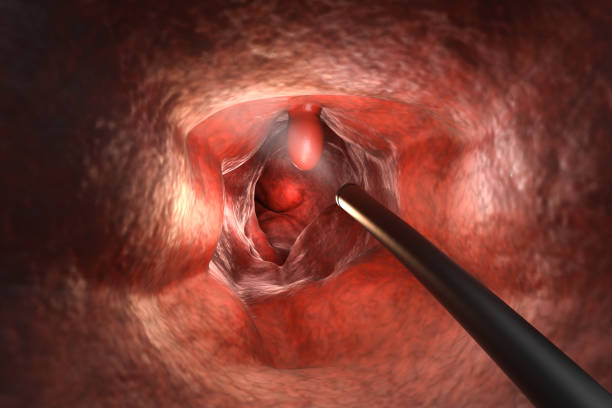
In rare cases, doctors can directly measure lactase enzyme activity by taking a biopsy of the small intestine during an endoscopy. This is the most straightforward but least used method due to its invasiveness.
How it’s done.
During an upper endoscopy, your doctor collects a small sample of tissue from the small intestine (jejunum). The sample is then analyzed for lactase enzyme levels.
If the enzyme activity is low, this confirms lactose malabsorption.
When it’s needed.
- When other tests are inconclusive.
- To rule out secondary causes such as celiac disease, Crohn’s disease, or intestinal infections.
Doctor’s advice:
I rarely recommend this test unless the patient has chronic unexplained diarrhea or malabsorption where other tests have failed. It’s best done in tertiary care hospitals.
7. At Home Lactose Intolerance Test (Reliable Modern Kits).
How it works.
With the advancement of telemedicine, several at home lactose intolerance test kits have become available. They usually involve a hydrogen breathalyzer that can be sent to a certified lab.
Benefits
- Convenient and private.
- Good for patients in remote areas.
- Provides digital reports interpreted by experts.
Doctor’s Caution
Choose kits that are FDA-approved or CE certified. Avoid unverified online ones I’ve seen patients misdiagnose themselves due to inaccurate readings from low quality kits.
For a deeper dive, read [Lactose Intolerance Test at Home] on my blog.
Understanding Test Results: What They Really Mean.
Confirming your diagnosis isn’t just about getting a “yes” or “no.” It’s about understanding the degree of intolerance and its cause.
Primary vs. Secondary Lactose Intolerance
- Primary: Genetic, lifelong deficiency of lactase after weaning.
- Secondary: Temporary, caused by intestinal infection, celiac disease, or inflammation.
Practice Tip:
In post infectious diarrhea, secondary lactose intolerance can persist for a few weeks often reversible once the gut lining heals.
Mild, moderate, or severe
- Mild: Small amounts of dairy are tolerated (e.g., yogurt, cheese).
- Moderate: Only lactose free milk is tolerated.
- Severe: Any lactose causes symptoms strict abstinence and enzyme supplementation are required.
Rarely Discussed Doctor’s Insight (The Gut Adaptation Phenomenon)
Here’s something most blogs miss:
Many patients with mild lactose intolerance can train their intestines to handle small amounts of lactose over time. This is called colonic adaptation.
When small amounts of lactose are consumed regularly, the colonic bacteria adjust, producing less gas and symptoms. A study in PubMed (2023) shows that gradual reintroduction can improve tolerance by up to 50% over 4-6 weeks.
So, instead of complete avoidance, controlled reintroduction under medical supervision can help your intestines adapt naturally.
Managing Lactose Intolerance After Testing
Once a lactose intolerance test confirms your diagnosis, the next step is personalized management.
Smart Dietary Strategies
- Choose lactose free milk or hard cheeses (cheddar, parmesan).
- Try smaller portions with meals rather than on an empty stomach.
- Use lactase enzyme tablets before eating dairy.
- Maintain adequate calcium intake through fortified foods or supplements.
Foods that support gut health.
A balanced gut microbiome improves digestion.
Include:
- High fiber foods (see [Fiber Rich Foods] ).
- Probiotic yogurt with Lactobacillus strains.
- Natural gas remedies (see [Foods that Relieve Gas and Bloating] ).

When to see a doctor.
You should consult your doctor if:
- Symptoms persist despite dietary changes.
- You experience weight loss, anemia, or bloody stools.
- You suspect secondary causes such as infection or inflammatory bowel disease.
A lactose intolerance test is part of a larger digestive evaluation if symptoms are severe, your doctor may order a celiac screening or stool fat test.
Final Thoughts (Confirm, Don’t Guess).
Getting tested for lactose intolerance isn’t about labeling yourself. It’s about understanding your body. Once confirmed, you can adjust your diet, avoid unnecessary restrictions, and regain confidence in eating.
As a physician and medical educator, I encourage my patients to stop guessing and get tested because knowledge is the first step toward healing.
Call to Action (CTA)
If you’re struggling with bloating, pain, or unexpected gut symptoms, it’s time to stop guessing.
Schedule your lactose intolerance test today or share your experience in the comments below your story could help someone else take the first step toward better digestive health.
FAQS
Yes, but only with lab-certified kits that provide medically validated analysis. Avoid instant “color-change” gadgets they’re not reliable substitutes for clinical breath testing.
The hydrogen breath test is about 90–95% accurate when performed correctly. Factors like smoking, recent antibiotics, or high-fiber meals can affect results. Always fast before the test and avoid gum or smoking.
Most tests require 8–12 hours of fasting, but not long-term avoidance. Prolonged dairy restriction before the test can reduce bacterial activity, giving a false negative result.
Lactose malabsorption is the physiological process (enzyme deficiency), while lactose intolerance refers to the symptoms that result. You can have malabsorption without noticeable symptoms.
🧑⚕️ About the Author
Dr. Asif, MBBS, MHPE
Dr. Asif is a licensed medical doctor and qualified medical educationist with a Master’s in Health Professions Education (MHPE) and 18 years of clinical experience. He specializes in gut health and mental wellness. Through his blogs, Dr. Asif shares evidence-based insights to empower readers with practical, trustworthy health information for a better, healthier life.
⚠️ Medical Disclaimer
This blog is intended for educational and informational purposes only. It is not a substitute for professional medical advice, diagnosis, or treatment. Always seek the advice of your physician or another qualified healthcare provider with any questions you may have regarding a medical condition. Never disregard or delay medical advice based on content you read here.
Leave a Reply