

Introduction
What is Celiac Disease? Celiac disease is one of the most commonly misunderstood digestive disorders today. Many people think it’s just a food allergy or a passing intolerance, but it’s much more than that. Celiac disease is an autoimmune condition where eating gluten a protein found in wheat, barley, and rye triggers the immune system to attack the small intestine. Over time, this reaction damages the lining of the intestine, leading to nutrient deficiencies and a wide range of health problems.
As a licensed physician and medical educator, I’ve met countless patients who struggled for years with unexplained fatigue, bloating, or anemia before being properly diagnosed. Understanding this disease is not only the first step toward recovery, but also the key to living a healthy, fulfilling life.
Read Detail About: Gluten-Free Foods
What is Celiac Disease?
Celiac disease is an autoimmune disorder in which the immune system mistakenly attacks the small intestine when a person eats foods containing gluten a protein found in wheat, barley, and rye. This immune reaction damages the tiny finger like projections in the small intestine that help absorb nutrients. When these villi are damaged, nutrients like iron, calcium, folate, and vitamin D cannot be absorbed effectively, leading to a variety of health problems, including anemia, osteoporosis, and fatigue.
Celiac disease affects about 1% of the global population, although many people go undiagnosed because symptoms vary widely or may even be silent. The only effective treatment is a strict lifelong gluten-free diet, which allows the intestinal lining to heal and prevents further complications. Early diagnosis and appropriate management are essential to restore nutritional balance and prevent long term damage.
Causes of Celiac Disease
The Role of Genetics
Celiac disease has a strong genetic component. Approximately 30% of the population carries the HLA-DQ2 or HLA-DQ8 genes, but only 3% of these actually develop the disease. This means that genes confer susceptibility, but environmental triggers determine activation.
If a parent or sibling has celiac disease, the risk increases by 10-15 times compared to the general population. Genetic testing can identify a predisposition, but a positive result does not always mean that you will develop the disease.
Gluten as a Trigger
Gluten is the main environmental trigger. It is a mixture of proteins gliadin and glutenin that give dough its elasticity. In people with celiac disease, gluten fragments resist digestion and trigger an abnormal immune response in the small intestine.
Think of gluten as a key that doesn’t fit but still tries to turn the lock it damages the (intestinal) lining instead of opening the door.

Other contributing factors
While gluten exposure and genetics are key, other factors may influence the onset of the disease:
- Early introduction to gluten in childhood before the gut is mature
- Intestinal infections such as rotavirus
- Changes in the gut microbiota that alter immune tolerance
- Stressful events or surgeries that can trigger autoimmune disease.
These factors may explain why one family member develops the disease while another does not, despite eating the same diet.
Symptoms of celiac disease
Celiac disease is a “great imitator.” Its symptoms overlap with many other conditions, such as IBS, lactose intolerance, and chronic fatigue. Some patients have classic digestive symptoms, while others experience only subtle or non gastrointestinal symptoms.
Digestive symptoms
- Chronic diarrhea or loose stools
- Abdominal pain, bloating, and excessive gas
- Nausea or vomiting
- Constipation (especially in children)
- Unexplained weight loss
Non digestive symptoms
- Persistent fatigue and brain fog
- Iron deficiency anemia that does not improve with supplements.
- Bone or joint pain due to calcium/vitamin D deficiency
- Mouth ulcers (aphthous stomatitis)
- Skin rash called dermatitis herpetiformis often intensely itchy blisters on the elbows, knees, or buttocks
- Infertility or recurrent miscarriages in women
A unique observation from clinical practice is that some patients present only with neurological symptoms, such as tingling in the hands and feet (peripheral neuropathy) or balance problems, long before digestive symptoms appear.
Read in Detail About: Celiac Disease Symptoms
Diagnosing Celiac Disease
It can be difficult to accurately diagnose what celiac disease is because its symptoms mimic those of other conditions. A proper diagnostic approach includes blood tests, genetic screening, and intestinal biopsy.
Blood tests
The first step involves testing for celiac-specific antibodies, including:
- Tissue transglutaminase IgA (tTG-IgA) the most commonly used test
- Endomysial antibody (EMA) highly specific for celiac disease
- Deamidated gliadin peptide (DGP) antibodies helpful in children under 2 years of age
Important: These tests should be done while the person is eating gluten. Avoiding gluten before testing can lead to false negatives.
Genetic testing
Genetic tests look for HLA-DQ2 and HLA-DQ8. If neither gene is present, the likelihood of celiac disease is very low. This test is useful for family screening or when results are inconclusive.
Endoscopy and biopsy.
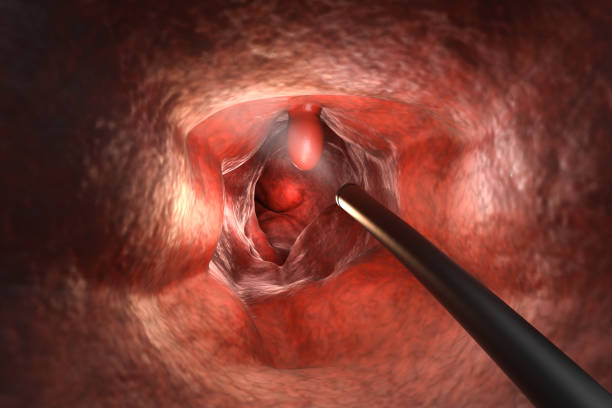
If blood tests suggest celiac disease, doctors perform an upper endoscopy to take small samples (biopsies) from the small intestine. Under a microscope, pathologists look for characteristic signs such as villous atrophy, crypt hyperplasia, and increased lymphocytes.
As a physician, I often emphasize that a biopsy remains the gold standard for confirming celiac disease, especially when the treatment implications are lifelong.
Differential Diagnosis
Conditions that can mimic celiac disease include:
- Irritable bowel syndrome (IBS)
- Lactose intolerance
- Small intestinal bacterial overgrowth (SIBO)
- Crohn’s disease
- Microscopic colitis
Eliminating these disorders ensures proper treatment.
Read in Detail About: Diagnosing Celiac Disease
Diet in Celiac Disease
Gluten-Free Diet
A strict lifelong gluten-free diet is the only effective treatment. Even a single trace of gluten can cause an immune response and intestinal damage.
Foods to avoid include:
- Wheat (all types: durum, semolina, spelt, kamut)
- Barley and rye.
- Malt and brewer’s yeast
- Processed foods with hidden gluten such as sauces, soups, gravies, and soy sauce

Safer gluten-free alternatives include:
- Rice, corn, quinoa, buckwheat, and amaranth
- Fresh fruits, vegetables, lean meats, eggs, and legumes
- Certified gluten-free oats (if tolerated)
Reading food labels
Always check the packaging for labels such as “gluten-free,” “processed in a gluten-free facility,” or “contains wheat.” Even cross contamination from shared cooking surfaces can cause reactions.
Nutrition and supplementation
People with newly diagnosed celiac disease are often deficient in:
- Iron, due to chronic anemia and poor absorption
- Vitamin D and calcium, increase the risk of osteoporosis.
- Vitamin B12 and folate , cause fatigue and anemia.
Doctors may prescribe temporary supplements during recovery. A dietitian who specializes in celiac care can ensure adequate intake.
Emotional and social aspects
Living gluten-free can be emotionally challenging. Social gatherings, travel, and eating out can be stressful. Patients often describe feeling isolated or misunderstood.
As a therapist, I encourage joining celiac support groups they provide invaluable practical tips and emotional encouragement.
Read in Detail About: [Foods Good for Celiac Disease] and [Foods to Avoid in Celiac Disease]
Celiac Disease Treatment
Basic Principles (Total Gluten Elimination)
The mainstay of treatment for celiac disease is a strict, lifelong gluten-free diet (GFD). Unlike other food intolerances, celiac disease does not “go away” over time even trace amounts of gluten can restart intestinal damage.
When gluten is completely removed:
- The immune response is restored.
- The intestinal villi begin to heal within weeks.
- Nutrient absorption gradually returns to normal.
- Symptoms such as bloating, fatigue, and anemia begin to improve.
However, this recovery can vary. In adults, it can take 6-12 months, while children often recover more quickly.
Medications and Adjunctive Therapies
Currently, there is no medication that can replace a gluten-free diet, but some medications can help manage complications:
- Corticosteroids can be used short-term in cases of refractory celiac disease (when the gut does not heal despite diet).
- Iron, calcium, and vitamin D supplements restore nutritional balance.
- Probiotics can help the gut heal and improve digestion during recovery.
Clinical trials are looking at enzymes that break down gluten peptides and immune modulating therapies, but these are under investigation.
Read in Detail About: [Natural Treatments for Celiac Disease]
Managing Accidental Gluten Exposure
Even with care, accidental ingestion of gluten can occur. Symptoms can flare up, causing fatigue, pain, or diarrhea.
Practical steps include:
- Stay hydrated and rest.
- Eat bland foods for 24 hours.
- Temporarily avoid dairy, as the inflamed intestine may not be able to digest lactose well.
If symptoms persist, consult your doctor.
Read in Detail About: [Celiac Disease Cure]
Complications of untreated celiac disease
When left untreated, celiac disease can lead to serious, long term complications, including:
- Nutritional deficiencies due to malnutrition.
- Anemia, especially iron and folate deficiencies.
- Osteoporosis and bone fractures due to calcium/vitamin D deficiency.
- Infertility and miscarriage due to hormonal and immune disruption.
- Nerve problems such as peripheral neuropathy or seizures.
- Lymphoma and small bowel cancer – rare but serious risks in long-term untreated cases.
Early diagnosis and adherence to a gluten-free diet can prevent these complications completely.
Prevention and lifestyle adaptations
Early detection and family screening
If one family member has celiac disease, others should consider genetic and antibody testing, even if they have no symptoms. Early detection prevents silent damage to the intestines.
Eating out safely
Practical tips for eating out safely:
- Choose restaurants with gluten-free menus.
- Inform the staff about your condition not just a “preference.”
- Avoid fried foods that are cooked in shared oil with breaded items.
- Carry gluten-free snacks with you when traveling.
Emotional health and support
Psychological well being plays a big role in recovery. Feelings of restriction can trigger stress or social withdrawal. Joining support groups or online communities can help patients find recipes, coping tips, and encouragement.
As a physician, I always remind patients that a gluten-free life is not a limitation – it is a relief from years of suffering and fatigue.
Unique Insights from a Doctor’s Perspective
Many blogs stop at listing foods and symptoms. But what is often missing from general discussions about what celiac disease is is this:
Celiac Disease Can Be “Silent”
Some patients have no digestive symptoms at all. They may only have fatigue, anemia, or even depression. I have diagnosed patients who have never complained of diarrhea but have severe intestinal damage. That’s why routine screening in at-risk individuals is so important.
Gluten-free doesn’t always mean healthy.
“Gluten-free” products from the supermarket are often high in sugar and fat to improve taste. I advise my patients to focus on naturally gluten-free whole foods fruits, vegetables, brown rice, and lean proteins rather than processed alternatives.
The Gut-Brain Connection
Emerging research suggests that gluten-related inflammation may affect the gut-brain axis, leading to anxiety, irritability, or brain fog. Once the gut heals, patients often report improved mood and concentration confirming the deep connection between digestion and brain health.
Key Takeaways
- What is Celiac Disease? Celiac disease is an autoimmune disorder, not a simple food allergy.
- It affects 1 in 100 people worldwide, although many are undiagnosed.
- The only treatment is a strict gluten-free diet.
- Proper diagnosis requires blood tests and an intestinal biopsy.
- Early management prevents serious complications such as malnutrition and bone loss.
- Emotional support and patient education play a key role in long term success.
Call to Action
Living with celiac disease can feel overwhelming at first reading labels, avoiding cross contamination, explaining your condition to others. But remember, every change you make is a step toward healing and energy you haven’t felt in years.
If you suspect you or a loved one may have celiac disease, consult your healthcare provider for proper testing and guidance.
Have questions or personal experiences to share?
Comment below your story may inspire someone else to take their first step toward recovery.
References:
Centers for Disease Control and Prevention (CDC): Celiac Disease
Mayo Clinic: Celiac Disease Overview
FAQS
Yes. Though it often appears in childhood, adults can develop celiac disease after triggers like infections, pregnancy, or major stress. Genetic predisposition remains constant, but environmental factors may “activate” the disease later in life.
Most patients notice improvement within 2–6 weeks, but complete intestinal healing may take months. Children usually recover faster than adults. Consistency is key — even small gluten exposure can delay recovery.
No. Gluten intolerance (non-celiac gluten sensitivity) causes similar symptoms like bloating or fatigue but doesn’t damage the intestinal lining. Celiac disease, on the other hand, is an autoimmune condition where the immune system attacks the small intestine.
Currently, there is no permanent cure, but a strict gluten-free diet can completely control symptoms and heal the intestine. Researchers are exploring immune therapies that may allow tolerance to gluten in the future.
Even a small amount can reactivate inflammation, damage villi, and cause long-term complications even if you don’t feel immediate symptoms. That’s why strict lifelong gluten avoidance is essential.
🧑⚕️ About the Author
Dr. Asif, MBBS, MHPE
Dr. Asif is a licensed medical doctor and qualified medical educationist with a Master’s in Health Professions Education (MHPE) and 18 years of clinical experience. He specializes in gut health and mental wellness. Through his blogs, Dr. Asif shares evidence-based insights to empower readers with practical, trustworthy health information for a better, healthier life.
⚠️ Medical Disclaimer
This blog is intended for educational and informational purposes only. It is not a substitute for professional medical advice, diagnosis, or treatment. Always seek the advice of your physician or another qualified healthcare provider with any questions you may have regarding a medical condition. Never disregard or delay medical advice based on content you read here.
Leave a Reply