

Introduction
Irritable bowel syndrome symptoms can turn everyday life into a constant guessing game never knowing when bloating, pain, or a sudden urge to go to the bathroom will strike. Many people tolerate these digestive woes in silence, assuming it’s “just a sensitive stomach,” but when the discomfort keeps coming back, it’s often more than that.
As a practicing physician and medical educator, I’ve met countless patients who are concerned about “something wrong with their stomach,” only to find out they have irritable bowel syndrome (IBS) one of the most common but misunderstood gut conditions.
The encouraging truth? IBS is not dangerous or life threatening. With the right understanding, lifestyle changes, and a little patience, you can manage it effectively and live a normal, fulfilling life.
This guide will help you identify the symptoms of irritable bowel syndrome, understand their cause, and learn practical ways to manage your digestive health naturally.
What is irritable bowel syndrome?
Irritable bowel syndrome (IBS) is a functional gastrointestinal disorder that affects the way the large intestine works. It causes a group of symptoms, including abdominal pain, bloating, gas, diarrhea, and constipation, without any apparent structural damage.
In simple terms, IBS means that your gut is overly sensitive and overreacts to everyday triggers like food, stress, or hormones. The muscles in your gut can contract too quickly or too slowly, causing changes in your bowel habits. According to the World Health Organization (WHO) and the Mayo Clinic, IBS affects 10-15% of adults worldwide, making it one of the most common causes of chronic digestive discomfort.
Understanding the symptoms of irritable bowel syndrome
The symptoms of IBS vary widely from person to person, but they often follow a pattern. Let’s break down the most common ones you should recognize.
1. Abdominal pain or cramping
Pain is the hallmark symptoms of IBS. It usually occurs in the lower abdomen and may improve after passing stool or gas.
Many patients describe it as:
- A dull ache that comes and goes.
- A sharp pain that worsens after eating.
- The pain temporarily goes away after a bowel movement.
This happens because the nerve endings in the intestine become hypersensitive. Even normal digestive contractions feel painful a condition doctors call visceral hypersensitivity.
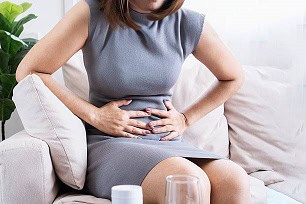
2. Bloating and gas
Feeling like your stomach is bloated after eating? This is one of the most annoying symptoms of irritable bowel syndrome.
Bloating is caused by changes in bowel motility and the balance of gut bacteria (microbiota). In fact, research published in PubMed (2019) found that 80% of IBS patients report constant bloating.
Doctor’s insight:
IBS bloating isn’t always caused by excess gas it’s often due to how your stomach muscles react. Even small amounts of gas can cause major stress because your brain perceives it as excessive pressure.
(Read in Detail: Foods that relieve gas and bloating)
3. Altered bowel habits (diarrhea or constipation)
IBS is classified based on bowel patterns:
- IBS-D (diarrhea-predominant): Frequent loose stools, urgency, incomplete evacuation.
- IBS-C (constipation-predominant): Hard stools, straining, and fewer than three bowel movements per week.
- IBS-M (mixed type): Alternating between diarrhea and constipation.
This irregularity is caused by abnormal contractions of the muscles in your intestines sometimes too fast, sometimes too slow.
(Read in Detail: Natural remedies for constipation)
(Read in Detail: Best probiotics for IBS diarrhea)
4. Mucus in stool
Although mucus is normally present in small amounts, people with IBS may notice a coating of white mucus in their stool. This happens because the lining of the intestines becomes more reactive to irritants. However, if you ever notice blood in your stool, consult your doctor immediately this is not typical of IBS.
5. Urgent and incomplete evacuation
You may feel an urgent need to use the toilet after eating, or feel like you haven’t completely emptied your bowels. This symptom is especially common in IBS-D types. It is caused by exaggerated gut reflexes and poor coordination between gut and brain signals.
6. Fatigue and poor sleep
IBS doesn’t just affect your gut. Many sufferers also experience fatigue, poor concentration, and restless sleep. The gut-brain connection plays a key role here your digestive discomfort can exacerbate anxiety, which in turn worsens symptoms.
7. Emotional symptoms (anxiety, stress, or low mood)
According to the CDC, up to 60% of IBS patients also experience anxiety or mood swings. The gut and brain communicate constantly through a nerve pathway called the vagus nerve. Stress can exacerbate IBS symptoms, creating a vicious cycle.
Doctor’s insight:
In my clinical experience, patients who start mindfulness or relaxation therapy often see an improvement in their bowel symptoms even without medication.
What makes IBS symptoms worse?
A number of factors can trigger or worsen irritable bowel syndrome symptoms. Recognizing them is the first step toward relief.
1. Food and Food Intolerances
Common culprits include:
- High-FODMAP foods (onions, beans, wheat, apples)
- Dairy (especially in people with lactose intolerance)
- Caffeine, alcohol, and carbonated beverages
- Fatty or spicy foods
Doctor’s advice:
Keep a food diary. Record what you eat and how you feel afterward. Patterns often emerge within a week or two.
2. Stress and emotional triggers
Stress affects how your bowel movements feel and how uncomfortable they feel. Patients often report flare ups during exams, work deadlines, or family issues. Relaxation techniques like deep breathing, yoga, or even short walks can make a real difference.
3. Hormonal changes
Women are twice as likely to develop IBS as men. Symptoms often worsen during menstruation due to hormonal fluctuations that affect bowel movements.
4. Gut microbiome imbalance
Recent research suggests that people with IBS may have altered gut bacteria composition particularly fewer beneficial strains like Lactobacillus and Bifidobacterium. Probiotics and fermented foods can help restore this balance.
How is IBS diagnosed?
There is no single test for IBS, but the diagnosis is made through a medical history, a review of symptoms, and ruling out other conditions.
Rome IV Criteria
Doctors use these clinical guidelines to identify IBS:
- Recurrent abdominal pain at least 1 day/week for the past 3 months
- Associated with two or more of the following:
- Pain related to defecation
- Change in bowel frequency
- Change in the shape or appearance of stool
Your doctor may order tests (blood, stool, or endoscopy) to rule out celiac disease, inflammatory bowel disease, or infection.
The doctor’s insight was rarely discussed.
Post infectious IBS: Some patients develop IBS after food poisoning or a stomach infection. The nerves in the intestines remain highly sensitive even after the infection has cleared.
IBS and Vitamin D: Recent studies show that low vitamin D levels are more common in IBS patients supplementation may improve health.
Hidden food triggers: Many patients react to “healthy” foods like apples or lentils because they are high in FODMAPs not because they are unhealthy, but because the gut ferments them excessively.
Managing Irritable Bowel Syndrome Symptoms Naturally
IBS treatment focuses on a balance of relief and lifestyle, as the condition affects how the gut functions rather than causing visible damage. The goal is to relieve flare ups, reduce discomfort, and restore confidence in daily life.
1. Dietary Changes
Dietary changes remain the cornerstone of IBS treatment. Here’s what works best:
A. Low-FODMAP Diet
“FODMAP” stands for Fermentable Oligo-, Di-, Mono-saccharides and Polyols – short-chain carbohydrates that ferment in the intestines, causing gas and bloating.
Clinical research published in PubMed (2021) shows that 75% of IBS patients report an improvement in symptoms after adopting a low-FODMAP diet.
Foods to limit:
- Onions, garlic, apples, and wheat
- Beans, lentils, and artificial sweeteners
- Milk, ice cream, and yogurt (contain lactose)
Foods to enjoy:
- Oats, rice, quinoa
- Carrots, spinach, pumpkin
- Plums, oranges, bananas
- Lactose free dairy or almond milk
(Internal link: High-fiber foods)
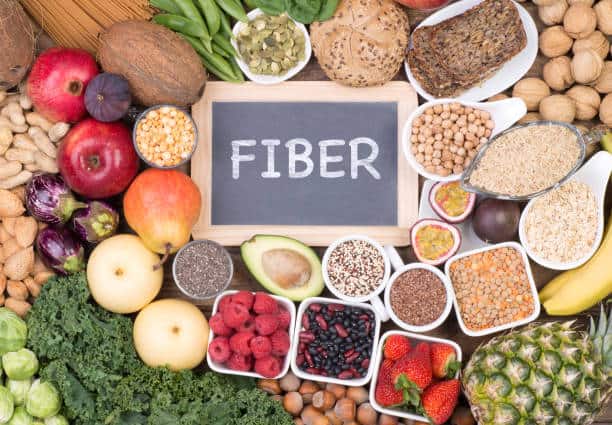
B. Gradually increase fiber intake
Fiber helps regulate bowel movements, but too much too quickly can worsen bloating.
- For IBS-C: Add soluble fiber (oats, psyllium husk).
- For IBS-D: Avoid insoluble fiber (bran, raw vegetables), which speeds up digestion.
C. Avoid trigger foods.
Everyone’s gut is different. Keep track of your personal triggers it could be caffeine for one person, or fried food for another.
Doctor’s insight:
IBS sufferers often benefit more from mealtimes than from restrictive eating. Small, frequent meals can help calm the gut.
2. Lifestyle adjustments that work.
IBS isn’t just about what’s on your plate it’s also about your brain-gut connection.
A. Stress management
Stress directly affects your gut motility and pain threshold.
Try:
- Deep breathing or yoga
- Regular exercise (even brisk walking for 30 minutes per day)
- Mindfulness or guided meditation apps
A study in the Journal of Gastroenterology (2020) found that mindfulness-based therapy reduced the severity of IBS symptoms by 35 percent within 8 weeks.
B. Adequate sleep
Insufficient sleep increases pain sensitivity. Stick to a regular bedtime, avoid screens late at night, and aim for 7-8 hours of quality rest.
C. Stay hydrated
Dehydration worsens constipation and fatigue. Drink 6-8 glasses of water daily, especially if you are increasing your fiber intake.
3. Medications (when needed)
If lifestyle measures do not bring enough relief, your doctor may prescribe medications that target your type of IBS.
Common medications target IBS types
- IBS-C Fiber supplements, osmotic laxatives, linaclotide relieve constipation
- IBS-D Loperamide, bile acid binders, rifaximin reduce diarrhea
- Mixed-type antispasmodics (mebuvirine, dicyclomine) ease pain
- Low dose antidepressants of all types modulate pain and gut-brain signals.
Note: Always use medications under medical supervision. Overuse of laxatives or antibiotics can worsen symptoms over time.
4. The Role of Probiotics and Gut Health
Probiotics replenish the beneficial bacteria in your gut, helping to regulate bowel movements and inflammation.
Lactobacillus plantarum and Bifidobacterium infantis are the most studied strains for IBS relief.
Results vary try a brand for at least 4 weeks before assessing effectiveness.
Doctor’s Insight:
Some patients find that combining probiotics with prebiotic-rich foods (like bananas and oats) gives even better results it feeds the good bacteria to thrive.

5. Natural Remedies That Help
Many patients prefer safe, home-based methods first. Here are some evidence backed options:
- Peppermint oil capsules: Relaxes intestinal muscles and reduces pain.
- Ginger tea: Calms nausea and improves motility.
- Chamomile tea: Reduces stress-related flare-ups.
- Heat therapy: A warm compress on the abdomen can relax tight muscles.
(Read in Detail: Home remedies for chronic diarrhea)
6. Psychological and behavioral therapies
IBS is heavily influenced by the gut-brain axis the two-way communication between your digestive system and your emotions.
Effective approaches include:
- Cognitive behavioral therapy (CBT): Teaches coping strategies for stress and symptom awareness.
- Gut-directed hypnotherapy: Proven in multiple trials to reduce bloating and pain.
- Biofeedback therapy: Helps you gain better control over bowel movements.
According to the Mayo Clinic, these treatments, combined with dietary measures, can help control symptoms for a long time.
A Patient’s Story: From Fear to Freedom
Let me share a short story (based on a real medical encounter).
Sarah, a 32-year-old teacher, had been complaining of bloating and unexpected diarrhea for months. She avoided going out for fear of embarrassment. Tests ruled out an infection it was IBS-D.
We started a structured plan: smaller meals, a low-FODMAP diet, stress relief, and probiotics. Within 6 weeks, she felt 70 percent better. By 3 months, she was confidently resuming social events.
Her story is a reminder IBS doesn’t define your life. With patience and guidance, it can be managed beautifully.
Conclusion: Living a Free Life with IBS
Living with IBS can be challenging, but it’s far from hopeless. Understanding your irritable bowel syndrome symptoms, identifying triggers, and practicing consistent lifestyle habits can provide powerful relief.
As a doctor, I’ve seen how patients thrive once they get a handle on their routines and most importantly, their mindset. IBS is a signal from your body that it needs to be in balance.
Call to Action
Have you experienced any irritable bowel syndrome symptoms?
Share your story or ask your questions in the comments below.
If your symptoms persist or worsen, don’t hesitate to consult your doctor for personalized care your gut deserves attention and compassion.
References
FAQS
Not at all. Some experience mainly diarrhea, others constipation, while many have both. The intensity, duration, and triggers vary per person.
No. IBS is a functional disorder, meaning it affects how your gut works, not its structure. It does not cause ulcers, bleeding, or cancer.
Stress doesn’t directly cause IBS, but it can worsen symptoms. The gut and brain share nerve pathways when you’re anxious, your gut reacts more intensely.
Seek medical help if you notice blood in stool, unintentional weight loss, persistent fever, or family history of colon cancer these aren’t typical IBS signs.
Avoid high FODMAP foods like onions, beans, and apples, and limit caffeine, fried items, and dairy. (Internal link: Foods that relieve gas and bloating)
🧑⚕️ About the Author
Dr. Asif, MBBS, MHPE
Dr. Asif is a licensed medical doctor and qualified medical educationist with a Master’s in Health Professions Education (MHPE) and 18 years of clinical experience. He specializes in gut health and mental wellness. Through his blogs, Dr. Asif shares evidence-based insights to empower readers with practical, trustworthy health information for a better, healthier life.
⚠️ Medical Disclaimer
This blog is intended for educational and informational purposes only. It is not a substitute for professional medical advice, diagnosis, or treatment. Always seek the advice of your physician or another qualified healthcare provider with any questions you may have regarding a medical condition. Never disregard or delay medical advice based on content you read here.
Leave a Reply