

Introduction
Cirrhosis Symptoms and treatment are topics that often leave patients feeling anxious and worried when they hear about the disease. As a licensed physician and medical educator, I have seen how families can be overwhelmed by this diagnosis. The truth is, cirrhosis is a serious but manageable liver condition if it is caught early.
Think of your liver as a busy factory, working around the clock to filter toxins, produce energy, and regulate vital processes. When cirrhosis develops, this factory becomes scarred and slows down. The encouraging part? With early recognition symptoms of cirrhosis, lifestyle changes, and modern treatment of cirrhosis, most of the damage can be reversed, and patients can live full lives.
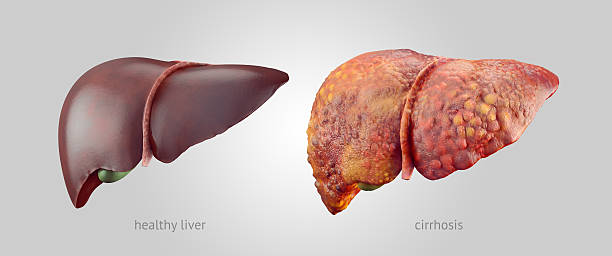
What are the Cirrhosis symptoms and treatment?
Cirrhosis is scarring of the liver caused by long term damage, often from alcohol abuse, viral hepatitis, or fatty liver disease. Symptoms of cirrhosis include fatigue, jaundice (yellowing of the skin and eyes), swelling of the legs and abdomen, itchy skin, confusion, and easy bruising. In its early stages, cirrhosis may not have any noticeable symptoms.
Treatment of cirrhosis focuses on treating the underlying cause (such as treating hepatitis, stopping alcohol, or managing fatty liver), preventing further liver damage, controlling symptoms, and, in advanced cases, considering a liver transplant. Lifestyle changes, regular medical care, and medications can help patients live longer and healthier lives.
Cirrhosis Symptoms and Treatment – Why Early Recognition Is Important
Many patients do not realize they have cirrhosis until it has progressed. Early recognition is important because the liver can still repair itself in the early stages. I once treated a middle aged teacher who thought her fatigue was just stress. Later, blood tests revealed early cirrhosis, and with treatment, she regained her health.
Symptoms of cirrhosis – what to look out for.
Symptoms of Cirrhosis – What to Look Out For.
Recognizing the symptoms of cirrhosis early can save lives. Many people don’t realize their liver is damaged until the disease is already advanced. As a doctor, I often tell patients that the liver is a “silent worker” it can continue to function despite a lot of stress, and symptoms often appear late. That’s why it’s important to pay attention to the subtle signs.
Early Symptoms of Cirrhosis (Often Ignored)
These symptoms may seem harmless and can be blamed on stress, aging, or a poor diet:
- Persistent fatigue – Feeling tired even after rest, because your liver can’t store and release energy efficiently.
- Loss of appetite – Patients often notice that food becomes less appealing.
- Unexplained weight loss – The body begins to break down muscle for energy.
- Mild nausea or indigestion – The liver struggles to handle fats and toxins.
- Abdominal pain – Mild pain on the right side below the ribs.
Doctor’s insight: I once had a patient who thought his fatigue and weight loss were due to his busy teaching job. Later, a blood test revealed cirrhosis. With treatment and lifestyle changes, he improved proving how important early detection is.
Symptoms of cirrhosis that appear as cirrhosis progresses
As scarring worsens, clear signs appear:
- Jaundice – Yellowing of the eyes and skin due to bilirubin buildup.
- Itchy skin – Because bile salts are entering the bloodstream.
- Dark urine and pale stools – The liver cannot process bile normally.
- Easy bruising/bleeding – The liver makes fewer clotting proteins.
- Spider veins on the skin (spider angiomas) – small blood vessels that appear on the chest, arms, or face.
- Bloated abdomen (skin) – fluid buildup from portal hypertension.
- Swelling (edema) of the legs and ankles – due to low protein and high vessel pressure.
Read in Detail About: [First sign of cirrhosis]
Neurological symptoms – when the brain is affected.
One of the most frightening complications is hepatic encephalopathy:
- Confusion, forgetfulness, poor concentration (“brain fog”)
- Mood swings or personality changes
- Trouble sleeping
- Hand tremors
Doctor’s insight: Many blogs miss this point patients often dismiss forgetfulness as “old age,” but in cirrhosis, it can mean that toxins like ammonia are reaching the brain.
Late and emergency symptoms of cirrhosis
In advanced cirrhosis, symptoms can be life threatening:
- Vomiting blood or passing black stools → sign of variceal bleeding.
- Severe abdominal swelling causing difficulty breathing.
- Sudden confusion or coma with severe encephalopathy.
- Unexplained weight gain due to fluid, not fat.
- Patients with these symptoms require immediate emergency care.
Why symptoms alone are not enough.
It is important to note that some patients remain asymptomatic for years. Cirrhosis is often detected by:
- Routine blood tests
- Imaging (ultrasound, fibroscan)
- Screening for complications
Read in Detail: [What causes cirrhosis of the liver besides alcohol]
Cirrhosis Symptoms and Treatment – The Diagnostic Journey
Doctors usually confirm:
- Blood tests (liver enzymes, bilirubin, clotting factors)
- Ultrasound or MRI to detect scarring
- Fibroscan (elastography) to measure stiffness
- Liver biopsy (now rarely needed, but still the gold standard in some cases)
Treatment of cirrhosis – powerful strategies that work.
Treatment of cirrhosis is not about “curing” existing scarring because advanced scarring is permanent but rather about slowing progression, controlling symptoms, and preventing complications. The sooner treatment begins, the better the liver can adapt and continue to function.
As a physician, I explain to patients that treating cirrhosis is like repairing a damaged dam: While you can’t repair the cracks, you can strengthen the structure to prevent collapse and buy time until a long term solution (like a transplant) becomes possible.
Let’s break down the powerful strategies that really work in managing cirrhosis:
1. Lifestyle-Based Treatment of cirrhosis – The Foundation of Recovery
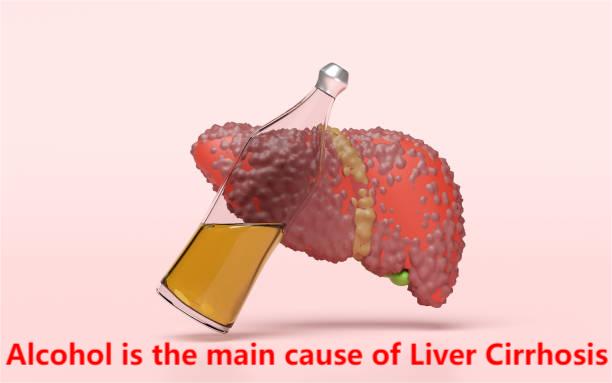
a) Quit alcohol completely.
- Alcohol is the leading cause of cirrhosis worldwide. Even a “small amount” can accelerate liver failure once cirrhosis has developed.
- Studies show that patients with alcoholic cirrhosis who quit drinking have twice the survival rate as those who continue (PubMed, 2022).
Read in detail: [Can alcohol cause cirrhosis]
b) Manage weight and fatty liver.
- Non-alcoholic fatty liver disease (NAFLD) is now the leading cause of cirrhosis.
- A 7-10% weight loss has been shown to reduce liver fat and inflammation.
- Patients should aim for a Mediterranean-style diet (whole grains, vegetables, lean protein, olive oil).
c) Nutritional issues
- Many patients with cirrhosis are malnourished despite appearing overweight.
- High-protein foods (such as eggs, fish, beans) support liver regeneration.
- Frequent small meals and a late-night snack (such as yogurt or fruit) can prevent muscle loss.
2. Medical treatment of cirrhosis – controlling symptoms and preventing damage
Doctors treat cirrhosis according to the cause and its complications:
a) Antiviral therapy
- Hepatitis B → Treated with antivirals such as tenofovir or entecavir.
- Hepatitis C → Cured in more than 95% of cases with direct-acting antivirals (DAAs).
b) Medications for symptoms
- Diuretics (spironolactone, furosemide) – Reduce fluid retention (urticaria, swelling).
- Beta-blockers (propranolol, nadolol) – Low risk of life-threatening bleeding.
- Lactulose and rifaximin – prevent or treat hepatic encephalopathy (“confusion” due to toxic substances).
c) Immunological and autoimmune cirrhosis treatments
- Patients with autoimmune hepatitis may need steroids and azathioprine to calm the immune attack.
- Patients with primary biliary cholangitis (PBC) benefit from ursodeoxycholic acid (UDCA).
Read in Detail: [Treatment of primary biliary cirrhosis]
3. Advanced cirrhosis management – when the disease progresses.
Endoscopic and surgical interventions
- Endoscopic band ligation stops bleeding in esophageal varices.
- TIPS (transjugular intrahepatic portosystemic shunt) – a stent placed in the liver to reduce portal hypertension and ascites.
Liver Transplant – The definitive treatment
- For stage 4 cirrhosis, liver transplantation is the only cure.
- According to the World Health Organization (2023), the 5-year survival rate after transplant is 70-80%, giving patients a second chance at life.

Read in Detail: [Liver Life Expectancy Stage 4 Cirrhosis]
4. Prevention of complications of cirrhosis
Cirrhosis treatment is incomplete without active management of complications:
- Screening for liver cancer (HCC) with ultrasound every 6 months.
- Vaccination against hepatitis A and B (for those who are not immune).
- Avoid harmful medications such as ibuprofen, naproxen, and unnecessary antibiotics.
5. Unique Medical Insights – Why “Symptom Control” is as Important as the Cause
Many patients ask me: “If my hepatitis is cured, why do I still need medication?”
I explain that even after the underlying cause is controlled, symptoms of cirrhosis such as fluid retention, confusion, or bleeding can still be life threatening. So treatment is two pronged:
- Prevent further liver damage.
- Manage existing complications.
This distinction is often missed in many blogs but is critical to long term patient survival.
6. Cirrhosis Self Care and Patient Empowerment
Daily steps patients can take:
- Eat a low salt diet (to reduce water retention).
- Take medications regularly.
- Have regular blood and imaging tests as advised.
- Avoid herbal supplements unless approved by a doctor some are toxic to the liver.
Read in Detail: [Cirrhosis Self-Care]
Cirrhosis symptoms and treatment – Doctor’s advice for everyday living
Practical self care tips:
- Staple on a low-salt diet to reduce inflammation.
- Take medications exactly as prescribed.
- Attend all follow-up visits, even if you “feel fine”.
- Avoid over-the-counter painkillers like ibuprofen, which can damage the liver.
Global statistics on cirrhosis
- Cirrhosis causes more than 1 million deaths worldwide annually (WHO, 2023).
- In the United States, cirrhosis is one of the top 15 causes of death, affecting approximately 4.5 million adults (CDC, 2022).
- Rising obesity and diabetes mean that non-alcoholic fatty liver disease is now the leading cause of cirrhosis.
Conclusion and call to action
The Cirrhosis symptoms and treatment should not be taken lightly. The sooner the disease is recognized, the better the outcomes. As a physician, I have seen many patients regain control of their health through a combination of medical treatment, lifestyle changes, and regular monitoring.
If you or a loved one are concerned about liver health, don’t wait see a doctor today.
Share your questions in the comments below I’d love to answer and guide you further.
References:
CDC – Cirrhosis Data
WHO – Liver Disease Statistics
FAQS
Mild cirrhosis (early fibrosis) may improve if the cause is removed (like quitting alcohol or treating hepatitis). Advanced cirrhosis cannot be fully reversed but can be slowed.
Yes. Both hepatitis B and C can cause cirrhosis if untreated
No. While cirrhosis increases liver cancer risk, not all patients develop cancer. Regular ultrasound screening every 6 months is recommended.
It depends on the stage. Early cirrhosis may allow decades of life with treatment. Stage 4 cirrhosis life expectancy is reduced, but liver transplant offers new hope.
Chronic hepatitis B/C, fatty liver disease, autoimmune hepatitis, and biliary diseases.
Often fatigue or mild abdominal discomfort. Sometimes blood tests reveal cirrhosis before symptoms appear. 👉 Internal Link: [First Sign of Cirrhosis]
🧑⚕️ About the Author
Dr. Asif, MBBS, MHPE
Dr. Asif is a licensed medical doctor and qualified medical educationist with a Master’s in Health Professions Education (MHPE) and 18 years of clinical experience. He specializes in gut health and mental wellness. Through his blogs, Dr. Asif shares evidence-based insights to empower readers with practical, trustworthy health information for a better, healthier life.
⚠️ Medical Disclaimer
This blog is intended for educational and informational purposes only. It is not a substitute for professional medical advice, diagnosis, or treatment. Always seek the advice of your physician or another qualified healthcare provider with any questions you may have regarding a medical condition. Never disregard or delay medical advice based on content you read here.
Leave a Reply