

Introduction
Cirrhosis self care is more than just following a treatment plan it’s about taking charge of your health every single day. As a doctor, I’ve met many patients with cirrhosis who feel overwhelmed, scared, or unsure about what changes to make. The truth is, small, consistent steps in your lifestyle can dramatically improve your quality of life, reduce complications, and help you stay strong.
I’ll guide you through proven cirrhosis self care strategies, patient-friendly examples, and even some unique medical insights that are rarely discussed outside of a doctor’s office.
What is cirrhosis and cirrhosis self care?
Cirrhosis is a condition in which healthy liver tissue is gradually replaced by scar tissue. The liver is your body’s main detox center it processes nutrients, filters toxins, and aids in digestion. When it is repeatedly injured from causes such as hepatitis, alcohol abuse, or fatty liver disease, it tries to repair itself. Over time, this repeated injury and repair leads to scar tissue (fibrosis). As more scar tissue builds up, the liver becomes stiff and struggles to function properly.
In advanced stages, cirrhosis affects nearly every system in the body. It can cause swelling in the abdomen (jaundice), bleeding problems, yellowing of the skin and eyes (jaundice), confusion due to a buildup of toxins, and even liver cancer. Although cirrhosis is usually irreversible, early diagnosis and proper self-care can slow its progression and help patients live longer, healthier lives.
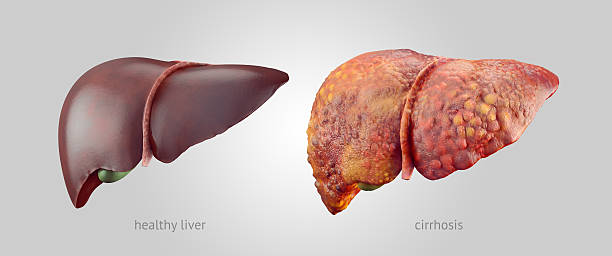
Cirrhosis self care refers to everyday lifestyle habits, dietary changes, and health practices that help people with cirrhosis protect their liver, reduce complications, and live a better quality of life. This includes avoiding alcohol, eating a balanced diet low in salt, taking prescribed medications, attending regular checkups, getting vaccinated, and managing stress. Cirrhosis Self care also means being aware of warning signs such as sudden swelling, confusion, or bleeding, and seeking prompt medical attention.
For example, people with cirrhosis often need to limit salt because it reduces fluid buildup in the abdomen (ascites). They also need enough protein, but from safe sources such as beans, chicken, or fish. Just as a car’s engine needs the right fuel and maintenance to keep running, your liver needs daily support. By combining medical treatment with self-care habits, people with cirrhosis can stay healthy and reduce their risk of life-threatening complications. (Source: Mayo Clinic, WHO)
Cirrhosis Self Care: 11 Healthy Habits to Protect Your Liver and Stay Strong
1. Understand Your Liver and Cirrhosis.
Why the Liver Matters.
The liver is like your body’s chemical factory it filters toxins, processes nutrients, and makes proteins needed for blood clotting. When scar tissue (cirrhosis) replaces healthy liver cells, this “factory” struggles to keep up.
Doctor’s Insight
Many patients ask me, “If my liver is scarred, what’s the point of self-care?” My answer: Even a damaged liver works! Cirrhosis self care reduces the strain on your liver, helps the healthy parts function better, and delays the progression of the disease.
2. Cirrhosis self care starts with abstaining from alcohol.
Alcohol is the number one enemy of a cirrhotic liver. Even small amounts can accelerate scarring, worsen inflammation, and shorten survival. Studies show that people with cirrhosis who continue to drink have a 50 percent higher risk of complications and death than those who quit (PubMed, 2019).
- Complete abstinence is non negotiable. There is no “safe” limit.
- If you struggle with alcohol, seek counseling, a rehabilitation program, or support groups like Alcoholics Anonymous.
- Medications like naltrexone or acamprosate can help with cravings talk to your doctor.
Doctor’s advice: I once treated a patient who quit drinking after years of dependence. Within 6 months, his energy levels improved, his inflammation decreased, and his lab results stabilized. Self-care really works.

3. Eat a liver-friendly diet.
Focus on a balanced diet.
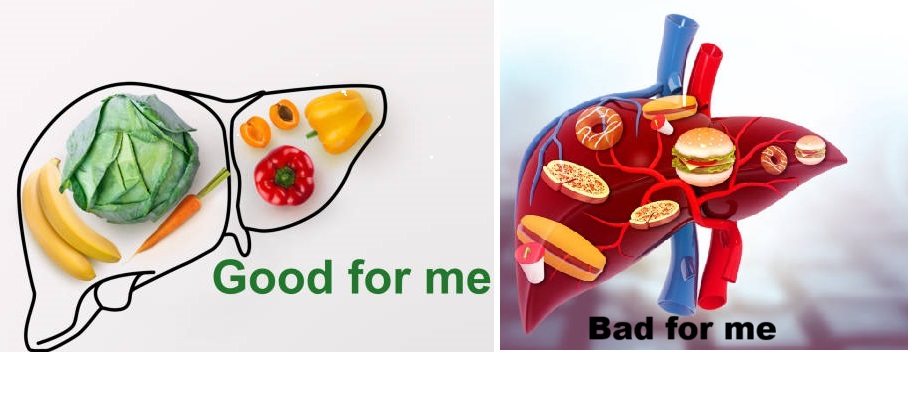
Patients with cirrhosis often lose muscle and energy. A diet rich in lean protein, whole grains, fruits, and vegetables helps prevent malnutrition.
- Good proteins: chicken, fish, beans, lentils.
- Avoid: red meat (can worsen toxin buildup).
Watch your salt intake
- Salt worsens ascites (swelling in the abdomen) and leg edema.
- The WHO recommends less than 2,000 mg of sodium per day.
- Avoid canned, processed, and fried foods.
Read in Detail About: [Liver Cleansing Diet Plan]
4. Cirrhosis Self Care Through Safe Hydration
- Drink plenty of fluids, but balance as recommended by your doctor.
- Avoid sodas, high-caffeine, or energy drinks.
- Some patients may need fluid restriction if ascites or hyponatremia is severe.
Doctor’s perspective: I have seen patients drink 4-5 liters per day thinking that it “removes toxins.” In cirrhosis, this can worsen swelling. Hydration must be individualized.
5 . Foods to avoid with cirrhosis
When it comes to cirrhosis self care, knowing what not to eat is just as important as knowing what to eat. Some foods put extra strain on the liver or worsen complications. Here’s what to avoid:
- Alcohol in any form – beer, wine, spirits, even “occasionally” drinks.
- High-salt foods – pickles, canned soups, chips, fast food, and processed meats (worsens inflammation and heartburn).
- Fried and fatty foods – deep-fried snacks, burgers, and heavy fast food (tough on the liver).
- Excessive red meat – beef, mutton, and lamb can increase ammonia buildup, which can cause confusion.
- Raw seafood and shellfish – risk of dangerous bacterial infections in patients with cirrhosis.
- Unpasteurized milk or cheese – can carry harmful bacteria.
- Sugary drinks and desserts – soda, packaged juices, cakes, and sweets that worsen fatty changes in the liver.
- Herbal supplements without medical advice – some herbs sold as “liver cleansers” can actually cause further liver damage.
Doctor’s note: Many patients assume “natural” means safe. In cirrhosis, even herbal teas or supplements can be dangerous unless your doctor approves.
Read in Detail About: [ Liver Cirrhosis Foods to Avoid ]
6. Protection against infections
Cirrhosis weakens the immune system, making infections more frequent and dangerous. A simple infection, such as food poisoning, can quickly lead to hospitalization or liver failure. That’s why protecting against infections is a key pillar of cirrhosis self-care.
- Vaccinations: Hepatitis A and B, influenza, and pneumococcal vaccines are highly recommended (CDC).Read in Detail About:[ hepatitis B vaccine adult schedule ]
- Food safety: Avoid raw seafood, undercooked meat, and unpasteurized dairy. These can carry bacteria that are harmful to people with cirrhosis.
- Personal hygiene: Frequent hand washing and avoiding contact with sick people reduce risks.
- Immediate treatment: Seek medical help early for fever, cough, painful urination, or abdominal pain.
Doctor’s advice: I tell my patients, “Think of your liver as a vulnerable fortress. Every infection is an attack from the enemy vaccinations and hygiene are your shield.”
Reference: CDC – Vaccination recommendations
7. Medications and regular monitoring
Treatment of cirrhosis does not stop at diagnosis it requires constant monitoring and appropriate medications. This is the cornerstone of cirrhosis self-care because it prevents silent complications from turning into life-threatening emergencies.
Common medications:
- Diuretics (spironolactone, furosemide) for edema.
- Lactulose or rifaximin to prevent confusion (hepatic encephalopathy).
- Beta-blockers (propranolol, nadolol) to reduce the risk of variceal bleeding.
Routine monitoring:
- Blood tests (liver function, INR, albumin) every 3-6 months.
- Ultrasound every 6 months to screen for liver cancer (hepatocellular carcinoma).
- Endoscopy for a variety of tests, if recommended.
Doctor’s insight: Many patients feel fine and skip follow-up. But cirrhosis can be silent until complications suddenly appear. I remind my patients, “Regular checkups are like servicing your car if you wait until it breaks down, the damage is too great.”
8. Cirrhosis Self Care and Physical Activity
- Light to moderate exercise helps prevent muscle loss.
- Avoid heavy lifting (risk of variceal bleeding).
- Walking, yoga, and stretching are safe.
9. Mental health and stress management
- Cirrhosis isn’t just physical it affects emotions, too. Depression and anxiety are common.
- Practice mindfulness or meditation.
- Join support groups.
- Seek treatment when needed.
Doctor’s insight: I remember a young patient who said, “I feel like my life is ending.” After therapy and self-care, she regained her confidence, and her condition stabilized. Cirrhosis is a journey, not an immediate punishment.

10. Know the red flags.
Recognizing early signs of complications can save lives.
- Sudden confusion: May indicate encephalopathy.
- Black stools/vomiting blood: Emergency variceal bleeding.
- Rapidly swelling in the abdomen: Ascites.
- Yellow eyes that are rapidly worsening: Jaundice flare-up.
Reference : Mayo Clinic – Complications of cirrhosis
11. Build a strong partnership with your doctor.
Cirrhosis self care works best when paired with regular medical follow-up.
- Keep a symptom diary.
- Ask questions at appointments.
- Don’t stop medications on your own.
Doctor’s note: Many patients feel embarrassed to ask “simple” questions. Remember – your doctor is your partner. No question is too small when it comes to your health.
Unique Doctor Insights (Rarely Discussed)
Sleep Disturbances in Cirrhosis: Many patients experience changes in their sleep-wake cycle due to toxins. Early bedtime routines and light therapy can help.
Hidden Malnutrition: Muscle loss (sarcopenia) is common despite normal weight. Ask your doctor about a dietitian referral.
Dental Health: Bleeding gums are more common in cirrhosis. Good oral hygiene prevents infections that can worsen liver health.
Conclusion and Call to Action
Cirrhosis self care is about more than avoiding complications it’s about living with strength, hope, and dignity. Every healthy choice you make protects your liver and gives you more control over your journey.
Have you or a loved one been diagnosed with cirrhosis? Share your experiences, questions, or concerns in the comments below. Your story may inspire someone else. If you feel unsure about your cirrhosis self care routine, don’t wait – consult your doctor today.
FAQS
Cirrhosis itself cannot fully reverse, but self care slows progression and reduces complications. In some cases (like alcoholic cirrhosis with complete abstinence), partial improvement is possible. Think of it like preventing further cracks in a damaged wall—it won’t be new again, but you can keep it from collapsing.
No, gentle exercise like walking or yoga actually helps preserve muscle strength and energy. Avoid heavy lifting or high-intensity workouts that raise internal pressure, as this may risk variceal bleeding.
There’s no one-size-fits-all. Some patients need 1.5–2 liters daily, while others with severe ascites or low sodium require restriction. Always follow your doctor’s fluid advice. Over-drinking may worsen swelling.
Not always. With proper cirrhosis self care, medical treatment, and follow-up, many patients live years even decades with good quality of life. Liver transplantation is also an option for advanced cases.
The best diet includes lean proteins, vegetables, fruits, whole grains, and low salt. Avoid processed food, red meat, and alcohol. Small, frequent meals prevent weakness. A nighttime protein snack helps reduce muscle loss, as shown in PubMed studies.
Vaccines are an essential part of cirrhosis self care because the liver’s weakened state lowers immunity, making infections more dangerous. The mandatory vaccines for cirrhosis patients include:
Hepatitis A and Hepatitis B vaccines – to prevent further viral damage to the liver.
Influenza (flu) vaccine – taken yearly to reduce risks of respiratory infections.
Pneumococcal vaccine – protects against severe lung and blood infections.
Some patients may also need boosters or additional vaccines depending on their health condition and travel history. Always confirm with your doctor to ensure you are fully protected. Vaccination acts like a shield, lowering the chances of life-threatening infections in cirrhosis.
🧑⚕️ About the Author
Dr. Asif, MBBS, MHPE
Dr. Asif is a licensed medical doctor and qualified medical educationist with a Master’s in Health Professions Education (MHPE) and 18 years of clinical experience. He specializes in gut health and mental wellness. Through his blogs, Dr. Asif shares evidence-based insights to empower readers with practical, trustworthy health information for a better, healthier life.
⚠️ Medical Disclaimer
This blog is intended for educational and informational purposes only. It is not a substitute for professional medical advice, diagnosis, or treatment. Always seek the advice of your physician or another qualified healthcare provider with any questions you may have regarding a medical condition. Never disregard or delay medical advice based on content you read here.
Leave a Reply