

Introduction
Current treatment of hepatitis C has completely changed in the past decade. Once considered a lifelong, progressive disease, it is now curable in most patients. Thanks to modern antiviral medications, most people can clear the virus from their bodies in just 8 to 12 weeks, with minimal side effects and an astonishing cure rate of more than 95 percent.
As a physician and medical educator, I have seen patients’ lives transformed after treatment fatigue is reduced, anxiety is reduced, and the fear of future complications such as cirrhosis or liver cancer is eliminated. This article is written to help you, the reader, understand what current treatment looks like, how it works, and what you can expect if you or a loved one is living with hepatitis C.
What is the current treatment of hepatitis C?
Current treatment of hepatitis C relies on a class of drugs called direct acting antivirals (DAAs). These are oral pills that are taken once daily for 8-12 weeks. Unlike older treatments such as interferon,Direct acting antivirals ( DAAs) are highly effective and much better tolerated. Clinical studies and real-world data show that DAAs can cure hepatitis C in more than 95% of cases by completely eliminating the virus from the bloodstream.
The choice of treatment depends on the genotype of the virus, the health of the liver, and whether the patient has been treated before. Commonly used direct acting antivirals (DAAs) include sofosbuvir, ledipasvir, glecaprevir, and velpatasvir. Most patients experience only mild side effects such as headache or fatigue. After completing therapy, a simple blood test confirms the cure, also known as a sustained virological response (SVR).
Today, hepatitis C is one of the few chronic viral infections where treatment not just control is possible. According to the World Health Organization (WHO), expanding access to these treatments could prevent millions of deaths worldwide.
Understanding hepatitis C before treatment
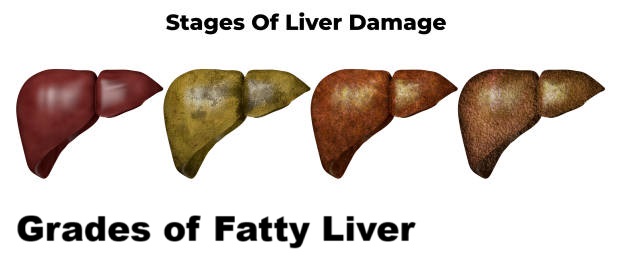
Before learning about current treatments of hepatitis C, it is important to understand the basics of the disease. Hepatitis C is a viral infection that primarily attacks the liver. If left untreated, it can lead to scarring (fibrosis), advanced scarring (cirrhosis), liver failure, or liver cancer.
Many patients do not even know they are infected because the initial symptoms can be subtle just fatigue or mild abdominal discomfort. (See also: First symptoms of hepatitis C) also Read in detail [hepatitis c viral infection]
Why current treatment of hepatitis C is a medical revolution.
Just 15 years ago, treatment meant weekly injections of interferon with ribavirin pills, lasting for a year. The cure rate was only 40-50%, and the side effects were so severe that many patients abandoned treatment.
Today, current treatment of hepatitis C with direct acting antivirals( DAAs) is:
- Short: only 8-12 weeks.
- Oral: one or two pills daily.
- Safe: few side effects.
- Effective: cure rate over 95%.
As a doctor, I often tell patients: “Treating hepatitis C today is like treating a stubborn infection with antibiotics it’s straightforward in most cases.”
Current Treatment of hepatitis C – Standard of Care
Direct Acting Antivirals (DAAs)
DAAs target specific proteins that the virus needs to survive. There are different classes:
- NS3/4A protease inhibitors (e.g., glecaprevir, grazoprevir)
- NS5A inhibitors (e.g., ledipasvir, velpatasvir, pibrentasvir)
- NS5B polymerase inhibitors (e.g., sofosbuvir)
By combining drugs from different classes, doctors block the virus from multiple angles, ensuring complete cure.
Common regimens
- Sofosbuvir + Velpatasvir (Epclusa®): Works for all genotypes.
- Glecaprevir + Pibrentasvir (Mavyret®): 8-week option for many patients.
- Ledipasvir + Sofosbuvir (Harvoni®): Particularly effective for genotype 1.
Cure rates
According to the CDC (Centers for Disease Control and Prevention), modern DAAs achieve a sustained virological response (cure) in 95–99% of treated patients.
Factors that influence treatment choice.
Virus genotype
Although many new drugs are “pangenotypic” (working against all genotypes), knowing the exact genotype helps doctors decide on the most effective combination and duration of drugs.
Stage of liver disease
Patients with advanced fibrosis or cirrhosis may require longer treatment or an additional drug such as ribavirin. The severity of liver damage directly influences therapy planning.
Prior treatment history
If a patient has failed interferon or even previous DAAs, new or stronger combinations may be needed to overcome resistance in the treatment.
Pre-existing conditions
Other health problems such as HIV, kidney disease, or pregnancy can affect drug choice, dosage, and monitoring for safety.
Unique doctor insights – what patients rarely hear.
As a physician, I share something in the clinic that most blogs don’t mention:
- Mental health improves after treatment. Patients often describe “brain fog” lifting within weeks.
- Symptoms of excess liver disease resolve. Joint pain, skin problems, and fatigue often disappear.
- The risk is not zero. Even after treatment, patients with advanced cirrhosis should continue to be monitored for liver cancer for life.
- Re-infection is possible. Treatment does not mean immunity safe practices are essential.
Side effects of current treatment of hepatitis C
Common Side Effects
Most people tolerate DAAs well. Common side effects are mild, such as headache, fatigue, or nausea, and improve as the body adjusts.
Serious Reactions
Severe reactions with DAAs are extremely rare. Unlike older interferon therapy, these treatments do not usually cause depression, anemia, or severe flu-like symptoms.
Drug Interactions
Some medications such as some seizure medications, HIV medications, or acid-reducing pills can interfere with DAAs. Always share your complete medication list with your doctor.
Overall Safety
DAAs are considered very safe, even for patients with chronic conditions. Careful monitoring ensures that the treatment remains effective and complications are avoided.
Cost and access – a global challenge
While DAAs are life-saving, they can be expensive. In high-income countries, a full course can cost $20,000–$30,000. However, generic versions in countries such as India and Egypt have reduced prices to just a few hundred dollars.
According to the World Health Organization (WHO), scaling up affordable treatment could eliminate hepatitis C as a public health threat by 2030.
Current treatment of Hepatitis C in special populations
In pregnancy
Current direct acting antivirals (DAAs) are not recommended during pregnancy because their safety has not been fully established. Treatment is usually postponed until after delivery unless the mother’s liver disease is very advanced. Supportive care remains the mainstay of care. (Read more: Hepatitis C in Pregnancy

In children
Modern DAAs are approved for children 3 years of age and older. Treatment in younger children is still under investigation, and careful monitoring is needed to safely adjust the dose.
With HIV co-infection
Direct acting antivirals (DAAs) are safe and effective in HIV-positive patients, but doctors should check for drug interactions with antiretroviral therapy. Close follow-up ensures that both infections are well managed.
In patients with severe kidney disease
Not all direct acting antivirals (DAAs) can be used safely in advanced kidney failure. For example, sofosbuvir-based regimens may require caution or alternative options, while glecaprevir/pibrentasvir is often preferred.
Contraindications to current treatment
- Pregnancy (DAAs have not yet been proven safe).
- Concomitant use of drugs with significant interactions (for example, certain anticonvulsants, rifampin, or amiodarone with sofosbuvir).
- Severe uncontrolled liver failure (Child-Pugh C cirrhosis may require only specialist treatment).
- Children under 3 years of age (not yet approved).
Preventing reinfection after treatment
Even after recovery, hepatitis C can recur if exposed. To stay safe:
- Avoid sharing needles or syringes — the most common route of reinfection.
- Don’t share razors, toothbrushes, or nail clippers, as even small drops of blood can transmit the virus.

- Practice safe sex — especially if you have multiple partners or have an STI.
- Use only sterile equipment for tattoos, piercings, or cosmetic procedures.
- Maintain good hand hygiene when handling cuts or blood.
- Keep your liver healthy by eating a balanced diet, exercising, and limiting alcohol (see: How to Keep Your Liver Healthy).
- Get regular follow-up tests — Even after treatment, periodic monitoring ensures no hidden complications develop.
- Educate close contacts so they understand how to prevent accidental transmission.
Maintain liver health through diet and exercise (see: How to keep your liver healthy
and Liver cleansing diet plan).
Conclusion – A Message of Hope
Current treatment of hepatitis C is one of the greatest success stories in modern medicine. With cure rates exceeding 95%, short treatment times, and minimal side effects, hepatitis C is no longer the devastating disease it once was.
As a doctor, I want to emphasize this: If you or someone you know is living with hepatitis C, get medical help. Testing and treatment can save lives – not only by treating the infection but also by preventing future complications like cirrhosis and liver cancer.
Call to Action (CTA)
Have questions about current treatment of hepatitis C? Leave them in the comments below I’d love to answer them. If you or a loved one has tested positive, talk to your doctor about treatment options. Treatment is real, accessible, and life-changing.
References:
CDC – Hepatitis C Treatment and Care
https://www.cdc.gov/hepatitis/hcv/index.htmWorld Health Organization (WHO) – Hepatitis C Factsheet
https://www.who.int/news-room/fact-sheets/detail/hepatitis-c
FAQS
Yes, but they are usually mild—headache, tiredness, and nausea. Compared to older interferon-based regimens, side effects are dramatically reduced.
If you are cured (SVR achieved), the same infection will not return. However, you can be reinfected if exposed again. Preventive steps are vital.
The current treatment of Hepatitis C with DAAs is more than 95% effective. This means almost every patient can achieve a complete cure, confirmed through blood tests after therapy.
Costs vary. In the U.S., branded regimens may cost $20,000+, while in countries with generic versions, the price can be as low as $300. WHO supports expanding access globally.
Generally, DAAs are postponed until after delivery due to limited safety data. Supportive care is provided during pregnancy, and mothers are treated afterward.
Most people only need 8–12 weeks of daily tablets. Those with advanced cirrhosis or previous treatment failure may require up to 24 weeks.
🧑⚕️ About the Author
Dr. Asif, MBBS, MHPE
Dr. Asif is a licensed medical doctor and qualified medical educationist with a Master’s in Health Professions Education (MHPE) and 18 years of clinical experience. He specializes in gut health and mental wellness. Through his blogs, Dr. Asif shares evidence-based insights to empower readers with practical, trustworthy health information for a better, healthier life.
⚠️ Medical Disclaimer
This blog is intended for educational and informational purposes only. It is not a substitute for professional medical advice, diagnosis, or treatment. Always seek the advice of your physician or another qualified healthcare provider with any questions you may have regarding a medical condition. Never disregard or delay medical advice based on content you read here.
Leave a Reply