

Introduction
Can teething cause diarrhea in babies? This is a question that many parents ponder when their little ones start to experience teething pain. While it is common for babies to show symptoms such as fussiness, irritability, and a slight increase in temperature during teething, the connection between teething and diarrhea is often misunderstood.
In this article, we will explore the connection between teething and diarrhea, dispel myths, and provide evidence-based insights to help you navigate this phase with confidence.
Can teething cause diarrhea in babies?
Teething does not directly cause diarrhea in babies. Although some parents report changes in the consistency of their baby’s stool during teething, these are often coincidental and not related to the cause. Factors such as increased saliva production, changes in diet, and exposure to new germs during this developmental stage can lead to gastrointestinal upset. It is important for parents to monitor their child’s symptoms and consult a pediatrician if diarrhea persists or is accompanied by other concerning symptoms.
Teething and Understanding Its Symptoms
Teething is a natural process where a baby’s first teeth emerge from the gums, usually between 6 and 10 months of age. Common symptoms include:
- Salivation: Increased saliva production can lead to a drooling chin and chest area.
- Irritability: The pain from emerging teeth can be distressing for babies.
- Chewing on objects: Babies may chew on toys or fingers to relieve sore gums.
- Mild fever: There may be a mild increase in temperature but usually does not exceed 100.4°F (38°C).
It’s important to note that while these symptoms are common, they don’t include diarrhea. If your baby is experiencing diarrhea while teething, it’s likely due to other factors.
Read in Details About: Causes of Chronic Diarrhea in Children
The Myth of Teething Diarrhea
Many parents believe that teething directly causes diarrhea. However, medical research doesn’t support this claim. A study published in Pediatrics found no link between teething and systemic symptoms such as diarrhea, fever, or rash.
Pediatrics
Although teething can cause increased fussiness, which can cause slightly loose stools, it doesn’t cause true diarrhea. Diarrhea is generally defined as three or more watery stools in a 24-hour period, which is not a sign of teething.
Factors that can cause diarrhea during teething.
Several factors unrelated to teething can cause diarrhea in infants and parents called it teething diarrhea.
1. Dietary changes
Introducing new foods during the teething stage can upset a baby’s digestive system, which can change the consistency of their stool.
2. Increasing fluid intake
Babies may breastfeed more frequently or drink more fluids to relieve teething pain, which can result in loose stools.
3. Exposure to germs
At this age, babies often put things in their mouths, which increases the risk of infections that can cause diarrhea.
Read in Detail About: Food Poisoning and Diarrhea
4. Antibiotic use
If your baby has been prescribed antibiotics for an infection, these medications can disrupt the balance of gut bacteria, which can lead to diarrhea.
Read in Detail About: Diarrhea After Antibiotics

Home remedies for teething pain
To ease your baby’s teething symptoms:
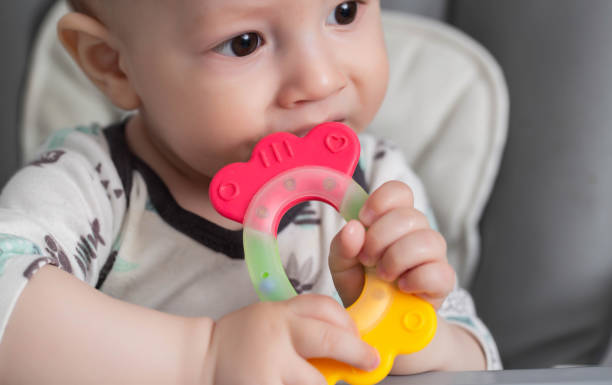
- Offer cool teething rings: These can help numb the gums and reduce discomfort.
- Massage the gums: Gently rubbing your baby’s gums with a clean finger can provide relief.
- Maintain good oral hygiene: Even before teeth appear, clean your baby’s gums with a soft, damp cloth.
- Provide cool foods: If your child is starting to feel cold, cool pureed fruits or vegetables can be soothing.
Remember, while these remedies may ease discomfort, they do not cure teething diarrhea. If your child has diarrhea, focus on staying hydrated and consult your pediatrician.
Medications and Over-the-Counter Treatments for Teething Pain and Teething Diarrhea
Teething can be painful for babies, and many parents look for ways to ease their little one’s pain. While medications and over-the-counter (OTC) products are available, it’s important to understand which options are safe and which ones can be harmful.
Safe Over-the-Counter Teething Gels and Pastes
Some teething gels and pastes can help relieve gum irritation. Look for products that:
- Are free of benzocaine (a local anesthetic that has been linked to a rare but serious condition called methemoglobinemia).
- Contain natural ingredients like chamomile or xylitol that are gentle on infants.
Examples:
- Hylands Teething Tablets (Homeopathic): Often used for mild relief, but always check the dosage.
- Baby Orajal Natural: A benzocaine-free gel formulated for teething pain.
Directions for use:
- Apply a very small amount to the affected gums using a clean fingertip.
- Use only as directed and avoid repeated use, as children may swallow the gel.
- Do not apply adult dental products or unapproved topical anesthetics.
Cold teething rings and toys
Non medicated options can be very effective:
- Cold (not frozen) teething rings: The cold helps numb the gums and reduce swelling.
- Silicone or rubber teething toys: Chewing on them relieves pressure.
Safety notes:
- Avoid teething necklaces or bracelets they are a choking and strangulation hazard.
- Always supervise your child during use.
Commonly Used but Potentially Harmful Drugs used for teething diarrhea
Many parents unknowingly use harmful products that can cause serious side effects. Examples include:
Lidocaine gel or paste
Danger: May cause respiratory distress, irregular heartbeat, or seizures in infants.
Guideline: The FDA advises against using lidocaine gel in children under 2 years of age.
Benzocaine containing gels
Danger: May cause methemoglobinemia, a rare but life threatening condition that reduces oxygen in the blood.
Signs to watch for: Pale or blue lips, unusual sleepiness, difficulty breathing.
Other home remedies with herbal or alcohol based ingredients
Avoid alcohol based gels or unregulated herbal pastes, as infants can absorb these compounds and become toxic.
Doctor’s Insight:
Many parents think that “natural” or “herbal” means safe but in children, even small amounts of certain herbs or topical anesthetics can be harmful. Always consult a pediatrician before applying any product to your child’s gums.
Safer Pain Relief Options
Acetaminophen (Paracetamol) for infants: Can be used if baby is fussy or has mild pain.
Dosage is based on weight, not age.
For short term use only and under the guidance of a pediatrician.
Ibuprofen: Can be used for children over 6 months, again under the guidance of a pediatrician.
Key takeaway: Non medical comfort methods like cool teething toys or gentle gum massage are often safer and more effective than gels containing lidocaine or benzocaine.
When to see a pediatrician
Although a slight change in stool consistency may occur during teething, it is very important to seek medical advice if your baby experiences:
- Persistent diarrhea lasting more than 24 hours.
- Diarrhea accompanied by a high fever (above 100.4°F or 38°C).
- Signs of dehydration, such as dry mouth, fewer wet diapers, or lethargy.
A pediatrician can help determine the cause and recommend appropriate treatment.

Unique Insights from a Pediatrician’s Perspective
As a pediatrician, it is important to differentiate between teething symptoms and signs of illness. While teething can cause mild discomfort, it does not lead to significant gastrointestinal problems such as diarrhea. Parents should be educated about the signs of dehydration and the importance of seeking medical attention if needed.
Conclusion
It is crucial for parents to understand the connection between teething and diarrhea. While teething can cause mild discomfort, it does not lead to significant gastrointestinal problems. By staying informed and vigilant, you can ensure your child’s health and comfort during this developmental stage.
Call to Action
If you have concerns about your child’s health during the teething phase or has teething diarrhea, don’t hesitate to consult your pediatrician. Early intervention can prevent complications and ensure your child’s well being.
References:
FAQ
Cold foods and gentle gum massage can provide relief, but they do not address diarrhea.
No, teething does not directly cause diarrhea. If your baby has diarrhea, it’s likely due to other factors.
Offer chilled teething rings, massage the gums, and maintain good oral hygiene.
Signs include dry mouth, fewer wet diapers, lethargy, and sunken soft spot on the head.
If diarrhea persists for more than 24 hours, is accompanied by a high fever, or shows signs of dehydration, seek medical advice.
🧑⚕️ About the Author
Dr. Asif, MBBS, MHPE
Dr. Asif is a licensed medical doctor and qualified medical educationist with a Master’s in Health Professions Education (MHPE) and 18 years of clinical experience. He specializes in gut health and mental wellness. Through his blogs, Dr. Asif shares evidence-based insights to empower readers with practical, trustworthy health information for a better, healthier life.
⚠️ Medical Disclaimer
This blog is intended for educational and informational purposes only. It is not a substitute for professional medical advice, diagnosis, or treatment. Always seek the advice of your physician or another qualified healthcare provider with any questions you may have regarding a medical condition. Never disregard or delay medical advice based on content you read here.
Leave a Reply