

Introduction
Food poisoning and diarrhea are among the most common reasons why people suddenly feel sick after eating. Almost everyone has experienced it at least once whether it’s from street food, undercooked chicken, or even a contaminated salad.
As a licensed physician and medical educator, I see many patients who ask: “Doc, how do I know if this diarrhea is just food poisoning or something more serious?” That’s exactly what this article will answer.
In this guide, we’ll explore the causes, symptoms, red flags, and treatment strategies for food poisoning with diarrhea, with unique insights from our clinical experience.
What is the connection between food poisoning and diarrhea
Food poisoning occurs when you eat food or drink water contaminated with harmful bacteria, viruses, parasites, or toxins. Diarrhea is the body’s defense mechanism it quickly flushes out these harmful substances before they can do any more harm.
According to the World Health Organization (WHO), an estimated 600 million people worldwide suffer from foodborne illnesses each year, and diarrhea is the most common symptom. In most cases, the illness resolves within a few days with rest, hydration, and simple home remedies. However, if diarrhea is severe, lasts more than three days, or is accompanied by warning signs such as blood in the stool, high fever, or dehydration, medical care is necessary.
Understanding Food Poisoning and Diarrhea
Food poisoning and diarrhea are very much related as food poisoning is like a storm in your stomach. Harmful germs enter your body through contaminated food, and diarrhea is your body’s emergency response to flush them out.
Common Causes of Food Poisoning
- Bacteria: Salmonella, E. coli, Campylobacter
- Viruses: Norovirus, Hepatitis A
- Parasites: Giardia, Cryptosporidium
- Poison: From improperly stored seafood or mushrooms.
Symptoms of food poisoning
Most cases appear within hours to a day after eating contaminated food.
The common symptoms of food poisoning are:
Gastrointestinal symptoms of food poisoning
- Diarrhea (watery or sometimes bloody)
- Nausea and vomiting
- Abdominal pain and bloating
Whole-body symptoms of food poisoning
- Fever and chills
- Fatigue and muscle aches
- Headache
Related reading: Chronic diarrhea in adults
Why does food poisoning cause diarrhea?
Think of your gut as a protective barrier. When harmful germs enter, the intestines fill with water and electrolytes to flush them out. This leads to loose, frequent stools.
A doctor’s unique insight
Many patients believe that diarrhea should always be stopped quickly with medication. In fact, mild diarrhea is protective it helps flush out the germs. Suppressing it too quickly with antidiarrheal medications can sometimes prolong the infection.
Treatment of food poisoning and Diarrhea
Treatment of food poisoning and diarrhea depends on the cause, severity, and the patient’s overall health. While some mild cases improve with rest and hydration, bacterial food poisoning often requires medical care and sometimes prescription medications. Here’s how it’s usually treated:
1. Rehydration is the first priority.
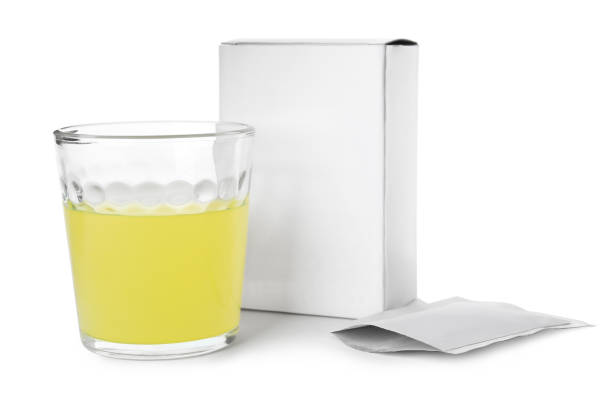
Oral Rehydration Solution (ORS): The most important treatment of food poisoning. It replaces lost fluids and electrolytes. Available as packets at pharmacies or can be made at home (1 liter of clean water + 6 tsp sugar + ½ tsp salt).
Clear fluids: Water, broth, diluted juices. Avoid caffeine and alcohol.
IV fluids: In hospitals, patients with severe dehydration or persistent vomiting may need fluids directly into a vein.
2. Dietary support (BRAT Diet)
The stomach needs rest during recovery. Doctors often recommend:
- Bananas, rice, applesauce, toast for easy digestion (BRAT diet).
- Yogurt with probiotics can help restore healthy gut bacteria.
- Avoid oily, spicy, or dairy-filled foods during the acute phase.
3. Medications for food poisoning (as prescribed by a doctor)
Important: Antibiotics are not needed in all cases. In fact, antibiotics can worsen certain infections (such as E. coli O157:H7). Therefore, only a doctor should make the decision.
a Symptomatic relief medications:
- Oral rehydration salts (ORS) – first line.
- Paracetamol (acetaminophen) – for fever and body aches.
- Loperamide (Imodium) – Sometimes used for severe diarrhea in adults, but should be avoided if there is blood in the stool or a high fever, as it can trap bacteria inside.
B Antibiotics (when needed):
A doctor may prescribe antibiotics for moderate to severe bacterial food poisoning (e.g., Salmonella, Shigella, Campylobacter). Common choices include:
- Ciprofloxacin
- Azithromycin
- Metronidazole (if parasitic cause such as Giardia)
Antibiotics are never “one size fits all.” Stool tests and medical judgment guide the choice.
4. Probiotics and Gut Healing
Probiotics (live “good bacteria” in yogurt or supplements) can help shorten the duration of diarrhea and restore balance in the gut. Some studies show that Lactobacillus probiotics can reduce diarrhea by up to a day.

5. Hospital care (severe cases)
You may need to be hospitalized if you have:
- Severe dehydration
- Persistent vomiting
- Bloody diarrhea
- High fever
Belong to a high risk group (children, the elderly, pregnant women, immunocompromised)
Hospitals provide IV fluids, antibiotics, monitoring, and sometimes additional lab testing.
Doctor’s medical insight (rarely mentioned online)
As a physician, I have seen patients delay seeking medical care because they think the diarrhea will “just pass.” Unfortunately, untreated bacterial food poisoning can progress to sepsis (a blood infection), hemolytic uremic syndrome (kidney failure in children), or long term gut damage. Therefore, serious cases should always be evaluated by a doctor and not managed at home.
9 Warning Signs of Food Poisoning and Diarrhea
Food poisoning and diarrhea can often be mild, but some symptoms should never be ignored. These warning signs indicate that the infection may be more serious, or complications are developing. Let’s take a closer look at each one.
1. Persistent or severe diarrhea
Loose stools are common with food poisoning, but if diarrhea lasts more than two days in adults or 24 hours in children, it’s a red flag. Persistent diarrhea causes dehydration, electrolyte imbalances, and fatigue. If ignored, it can also cause kidney stress or trauma.
See a doctor if diarrhea is persistent, watery, or getting worse.
2. Blood in the stool (dysentery)
The presence of red streaks or black, tarry stools suggests bleeding in the intestine. This can happen if bacteria such as E. coli or Shigella damage the intestinal lining. Blood in the stool is never normal and should be treated as a medical emergency, as it can lead to anemia or sepsis if left untreated.
3. High fever (above 101.5°F or 38.5°C)
A low-grade fever is common, but a high fever indicates that your body is fighting a more aggressive infection. Some dangerous bacteria (such as Salmonella or Listeria) can spread from the intestines into the bloodstream, causing life-threatening complications such as septicemia.
Seek immediate medical attention if the fever is high or does not subside with simple medications.
4. Severe abdominal pain and cramps
Mild cramps are to be expected, but sharp, persistent, or increasing abdominal pain is a warning sign. This could mean that the infection is damaging the lining of the gut or causing complications such as toxic megacolon (severe swelling of the colon). Patients often describe the pain as “whirring” or “knife like,” which should never be ignored.
5. Signs of dehydration
Diarrhea causes fluid and electrolyte loss, which can progress rapidly. Warning signs of dehydration include:
- Dry mouth and tongue
- Dizziness or fainting
- Increased or no urination
- Sunken eyes (especially in children)
Severe dehydration can lead to kidney failure, seizures, and even death if not corrected. Hospital treatment with IV fluids may be required.

6. Vomiting that won’t stop.
Occasional vomiting is common with food poisoning, but persistent vomiting prevents the body from keeping fluids down. This accelerates dehydration and makes oral rehydration solutions ineffective. If the vomit is projectile, contains blood, or lasts longer than 12-24 hours, it requires immediate medical attention.
7. Diarrhea that lasts more than a few days.
If diarrhea persists for more than 3 days in adults or 2 days in children, it may indicate a more resistant infection such as parasitic food poisoning (Giardia, Cryptosporidium) or secondary intestinal problems such as irritable bowel syndrome. Long-term diarrhea also weakens the immune system and increases the risk of malnutrition.
Complication Insight: Chronic diarrhea can trigger post infectious irritable bowel syndrome (IBS), a lesser known but common long term effect after food poisoning.
8. Neurological symptoms (unusual and dangerous)
Some foodborne illnesses, such as those caused by Listeria or botulinum toxin, affect the nervous system. Warning signs include:
- Blurred vision
- Muscle weakness
- Tingling in the arms/legs
- Difficulty speaking or swallowing
These are rare but extremely dangerous complications. Immediate hospitalization is essential because if left untreated, paralysis or death can occur.
9. Food poisoning in high risk groups
Even mild diarrhea can be life threatening in some people:
- Infants and children (small fluid reserves)
- Pregnant women (risk to mother and child, such as Listeria)
- Older adults (weakened immune system)
- People with chronic illnesses (diabetes, liver disease, kidney disease)
- Immunocompromised patients (HIV, chemotherapy, transplant recipients)
If anyone in these groups develops diarrhea or vomiting after food poisoning, they should see a doctor immediately to prevent rapid deterioration.
Bottom line from a doctor’s perspective:
Most cases of food poisoning resolve on their own, but if you develop any of these warning signs, don’t wait. These red flags mean your body is struggling, and complications like sepsis, kidney failure, or chronic bowel problems may already be on the horizon.
Preventing food poisoning and diarrhea
- Wash hands before eating.
- Cook meat thoroughly.
- Avoid unpasteurized milk/juice.
- Store food at safe temperatures.
- Drink clean water when traveling.
Related Post: Preventing Travelers’ Diarrhea
Rarely Discussed Medical Insight
In my practice, I’ve seen that patients often recover physically but can later suffer from an imbalance in their gut microbiome, leading to bloating or recurrent diarrhea weeks later. Improving gut health with probiotics and fiber rich foods after recovery can help restore balance.
Related Post: Diarrhea After Antibiotics
Final Thoughts
Food poisoning and diarrhea are usually short lived, but ignoring the warning signs can lead to serious health risks. Stay hydrated, rest, and know when to seek care.
Call to Action (CTA)
If you’ve ever experienced food poisoning with diarrhea, share your story in the comments. Do you have questions about your symptoms? Feel free to ask I’d be happy to guide you. For persistent or severe symptoms, see your doctor immediately.
References
FAQ
Drink bottled or boiled water, eat freshly cooked meals, and avoid raw salads or street food in areas with poor sanitation.
Most cases resolve within 1–3 days. If diarrhea lasts longer, it could mean a stronger infection or another condition and should be evaluated by a doctor.
Common symptoms include diarrhea, nausea, vomiting, stomach cramps, fever, and fatigue. Severe cases may involve blood in stool or dehydration.
Undercooked poultry, raw eggs, unpasteurized milk, seafood, and improperly stored food are common culprits.
Focus on hydration with ORS or clear fluids, rest, and a bland diet (bananas, rice, applesauce, toast). Avoid greasy or spicy foods until recovery.
🧑⚕️ About the Author
Dr. Asif, MBBS, MHPE
Dr. Asif is a licensed medical doctor and qualified medical educationist with a Master’s in Health Professions Education (MHPE) and 18 years of clinical experience. He specializes in gut health and mental wellness. Through his blogs, Dr. Asif shares evidence-based insights to empower readers with practical, trustworthy health information for a better, healthier life.
⚠️ Medical Disclaimer
This blog is intended for educational and informational purposes only. It is not a substitute for professional medical advice, diagnosis, or treatment. Always seek the advice of your physician or another qualified healthcare provider with any questions you may have regarding a medical condition. Never disregard or delay medical advice based on content you read here.
Leave a Reply