

Introduction
Can Pepto Bismol cause black diarrhea?
This is one of the most common and concerning questions my patients ask after taking this popular pink liquid for an upset stomach. As a licensed physician and medical educator, I know how alarming it can be to see your stool turn unexpectedly black.
The good news is that in many cases,Pepto Bismol black stool is a harmless side effect, caused by a simple chemical reaction in your intestines. But sometimes, black or tarry diarrhea can be a warning sign of something much more serious like internal bleeding.
In this article, I will explain in clear, simple language why Pepto Bismol can cause black diarrhea, when it is safe, and when you should see a doctor. I will also share real patient stories, medical insights, and practical tips to help you feel confident and informed.
Can Pepto Bismol cause black diarrhea?
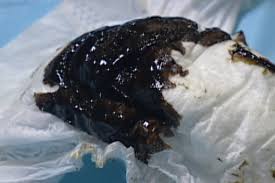
Yes, Pepto Bismol can cause black diarrhea because the bismuth in the medicine reacts with sulfur in the digestive system, creating a harmless black substance called bismuth sulfide. This temporarily darkens stool and usually goes away within a few days of stopping the medicine. However, black or tarry diarrhea can also be a warning sign of internal bleeding in the stomach or intestines. Seek immediate medical attention if the stool is sticky, tarry, or accompanied by weakness, abdominal pain, or vomiting blood.
What is Pepto Bismol?
Pepto Bismol, the brand name for bismuth subsalicylate, is one of the most commonly used over-the-counter remedies for upset stomach and diarrhea. It works by:
- Coating the stomach and intestines (like a protective shield)
- Reducing inflammation in the intestines
- Reducing fluid loss during diarrhea
- Fighting bacteria that can cause mild stomach infections.
Can Pepto Bismol cause black diarrhea?
Yes, black diarrhea is a well documented side effect of Pepto Bismol. Many patients find it worrisome “Doc, my poop looks like tar, should I be worried?”
Here’s why it happens:
- The bismuth in Pepto Bismol interacts with sulfur in your saliva and intestines.
- This forms bismuth sulfide, a harmless black compound.
- Result? Your tongue, stool, or even both may turn black.
- This effect is temporary and usually goes away within a few days of stopping the medication.
Black diarrhea: harmless or a warning sign?
Not all black stool is created equal. As a doctor, I always ask my patients two important questions:
- Is the stool just black, or is it black and stringy (melena)?
- Are there any associated symptoms such as pain, dizziness, or vomiting blood?
Harmless side effect (from Pepto-Bismol)
- Stool is black but not sticky.
- No abdominal pain or weakness.
- Color returns to normal after stopping the medication.
Possible internal bleeding (medical emergency)
- Stools that are black, sticky, and tarry.
- Dizziness, fatigue, or vomiting blood
- May indicate bleeding in the stomach or upper intestines.
Case example: A patient’s story
A 32 year old traveler came to me worried:
“Doctor, I took Pepto Bismol for diarrhea while traveling, but now my stools are black. Am I bleeding internally?”
On examination, he was healthy, with no abdominal pain or dizziness. I assured him that the dark stools were a benign side effect of Pepto Bismol. Within two days of stopping the medication, his stools returned to normal.
It highlights how understanding the difference between a medication side effect and a warning sign can save unnecessary panic and sometimes even save lives.
Side Effects of Pepto Bismol
Side Effects of Pepto Bismol are always to be considered before using it.
Like all medications, Pepto Bismol has potential side effects. The most common include:
- Pepto Bismol Black stool (temporary)
- Black tongue (temporary)
- Constipation
- Nausea
- Rare: Mild ringing in the ears (tinnitus)
According to a review in PubMed, 15-25% of patients complain of temporary discoloration of their stools after taking bismuth containing medications (PubMed ID: 19413690).
Who should avoid Pepto Bismol?
Not everyone should take this medicine. It may be unsafe if you:
- Are allergic to aspirin or salicylates.
- Are pregnant or breastfeeding.
- Have a bleeding disorder or are on blood thinners.
- Have severe kidney disease.
- Are a child or teenager recovering from a viral illness (risk of Reye’s syndrome)
What to do if you notice black diarrhea after taking Pepto Bismol?
- Stay calm, if you have recently taken Pepto Bismol, it is usually harmless.
- Stop the medicine, stools should return to normal within 2-3 days.
- Hydrate well, replace fluids lost from diarrhea with ORS.
Seek medical attention if:
- Stools are stringy and stringy.
- You feel weak, dizzy, or vomit blood.
- Symptoms last more than 3 days.
Alternatives to Diarrhea Relief
Home Remedies
- Drink Oral Rehydration Solution (ORS) to prevent dehydration.
- Follow the BRAT diet (bananas, rice, applesauce, toast)
- Avoid greasy and spicy foods.
Read more: Home Remedies for Chronic Diarrhea
Herbal Remedies (Use with Caution)
Many patients ask about herbal options. While some may help, they should be used with caution.
- Ginger tea: Reduces nausea and upset stomach.
- Chamomile tea: May reduce intestinal spasms.
- Probiotics: Restore intestinal balance.
But some herbal weight loss teas can cause diarrhea or worsen symptoms, so always check with your doctor.
Read more: Does weight loss cause diarrhea?
The doctor’s insight was rarely discussed.
As a physician, here’s something that many blogs don’t mention:
Bismuth can sometimes build up in the body if taken in very high doses over weeks. This can lead to unusual side effects like confusion, headaches, or even neurological changes. While uncommon, it’s important to avoid prolonged, high dose use of Pepto Bismol without medical advice.
This insight often surprises patients who assume that “over-the-counter” means completely risk-free.
When to see a doctor right away.
- Black, tarry, sticky stools (melena)
- Severe abdominal pain or vomiting blood
- Persistent diarrhea lasting more than 3 days.
- High fever, dehydration, or confusion
Read more: Chronic diarrhea in adults
Related: Diarrhea after antibiotics
Reference
CDC – Travelers’ diarrhea guidelines
Mayo Clinic – Causes of black or tarry stools
Conclusion
So, can Pepto Bismol cause black diarrhea? Yes but in most cases, it’s a harmless side effect due to the formation of bismuth sulfide. Still, it’s important to know when black stools could be something more serious, like internal bleeding.
As a doctor, my advice is simple:
- If your stools turn black after taking Pepto Bismol, don’t panic.
- Warning signs like stickiness, tarry appearance, or abdominal pain.
- If you’re unsure, consult your doctor.
Call to Action
Have you ever experienced Pepto Bismol black stool? Share your experience in the comments below your story may help others feel less anxious.
If you’re unsure whether your symptoms are benign or serious, don’t hesitate to consult a healthcare professional.
FAQS
Most are harmless and temporary, like black stool and tongue. Rare but serious risks include bleeding or salicylate toxicity if overdosed.
Not everyone experiences it. Around 15–25% of people report black stools after Pepto Bismol use, but for many, stool color remains unchanged.
Yes, but it should not be given to children recovering from viral infections due to Reye’s syndrome risk. Always consult a pediatrician.
Usually 1–3 days after stopping the medicine. If it lasts longer, see a doctor.
Pepto Bismol stool is black but normal in texture. Bleeding-related stool is sticky, tar-like, foul-smelling, and often accompanied by other symptoms.
🧑⚕️ About the Author
Dr. Asif, MBBS, MHPE
Dr. Asif is a licensed medical doctor and qualified medical educationist with a Master’s in Health Professions Education (MHPE) and 18 years of clinical experience. He specializes in gut health and mental wellness. Through his blogs, Dr. Asif shares evidence-based insights to empower readers with practical, trustworthy health information for a better, healthier life.
⚠️ Medical Disclaimer
This blog is intended for educational and informational purposes only. It is not a substitute for professional medical advice, diagnosis, or treatment. Always seek the advice of your physician or another qualified healthcare provider with any questions you may have regarding a medical condition. Never disregard or delay medical advice based on content you read here.
Leave a Reply