

Introduction
Hyperthyroidism or overactive thyroid occurs when your thyroid gland makes too much thyroid hormone, which speeds up many body systems the heart, nerves, digestion, and bones. Patients often describe it as “feeling like my body is racing.” This racing feeling can affect energy, mood, weight, sleep, and even the heart. The good news: Hyperthyroidism is usually diagnosed with simple blood tests, and it is effectively treated when identified early.
Why it matters. Untreated hyperthyroidism increases the risk of heart problems, bone loss (osteoporosis), and a rarely life threatening emergency called thyroid storm. Early recognition and proper treatment usually restore a normal life.
What is hyperthyroidism?
Hyperthyroidism is a medical condition in which the thyroid gland produces too much thyroid hormones (T4 and/or T3). These hormones control your metabolism the body’s engine so when they are high, your metabolism speeds up. Common symptoms include unintentional weight loss, fast or irregular heartbeat, tremors, heat intolerance, and anxiety. Diagnosis is made through blood tests that show an elevated free T4 and/or free T3 along with a low TSH (thyroid-stimulating hormone).
Major causes include Graves’ disease (an autoimmune disorder), toxic multinodular goiter, thyroiditis, and excess iodine or certain medications. Treatment includes antithyroid drugs (methimazole or propylthiouracil), radioactive iodine therapy, or thyroid surgery. Beta blockers can control symptoms while definitive treatment is planned. Early diagnosis and individualized treatment reduce the risk of complications.
Hyperthyroidism: Causes of Hyperthyroidism
Main causes of hyperthyroidism:
- Graves’ disease most common cause (autoimmune).
- Toxic multinodular goiter / toxic adenoma nodules that produce excess hormones.
- Thyroiditis inflammation that causes hormone secretion (subacute, silent, postpartum).
- Excess iodine or medications (e.g., amiodarone, excess thyroid hormone).
- Rare causes pituitary or ectopic tumors (rare).
Graves’ disease (autoimmune)
Graves’ disease is the leading cause of persistent hyperthyroidism and occurs when the immune system makes antibodies that stimulate the thyroid to produce more hormones. It disproportionately affects women and often presents with eye symptoms (thyroid eye disease).
Toxigenic nodules
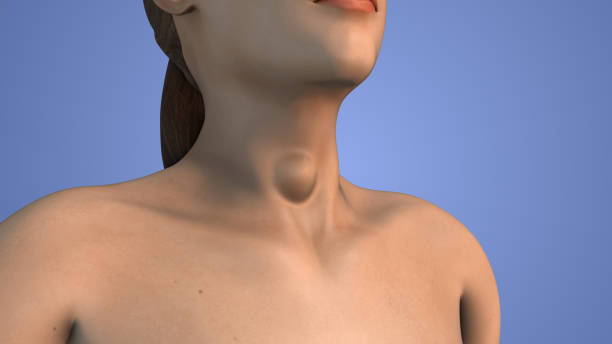
Single or multiple thyroid nodules can become “autonomous” and produce thyroid hormones independently of normal regulation. This is more common with age and in areas with long-standing nodular thyroid disease.
Thyroiditis
Inflammation of the thyroid (viral, postpartum, or autoimmune) can temporarily release stored thyroid hormones into the blood, resulting in a transient hyperthyroid phase that is often followed by hypothyroidism.
Medications and Iodine
Some medications (especially amiodarone) and sudden increases in iodine intake can trigger hyperthyroidism in susceptible people. This is why a list of your medications is important when your doctor interprets a thyroid test.Read in Details About: Drugs That Affect Thyroid Function Tests ?
Read in Detail About: Causes of Hyperthyroidism in Females
Hyperthyroidism Symptoms
Hyperthyroidism Symptoms vary depending on age, severity, and how long the condition has been present. Classic symptoms include:
- A pounding, racing, or irregular heartbeat
- Weight loss despite normal or increased appetite
- Heat intolerance, excessive sweating
- Trembling (fine hand movements)
- Restlessness, irritability, sleep disturbances
- Increased bowel movements or diarrhea
- Muscle weakness (especially in the proximal muscles)
- Thinning hair, brittle nails
- Irregular menstrual periods or fertility problems
- Eye symptoms (in Graves’ disease): Eye pain, watery eyes
Notes from patient group: Older adults sometimes present with subtle symptoms (afternoon fatigue, weight loss, atrial fibrillation) rather than panic attacks. In children, hyperactivity and school problems may be more prominent.
Why symptoms occur (simple physiology): Excess thyroid hormones speed up cellular activity heart muscle beats faster, nerves fire more, digestion speeds up, bone turnover increases which explains the various symptoms.
Read in Detail About: Symptoms of Hyperthyroidism in Females
Hyperthyroidism: Complications if left untreated
If left untreated, overactive thyroid can cause:
- Atrial fibrillation and other heart problems (increased risk of stroke)
- Osteoporosis (rapid bone loss)
- Infertility and pregnancy complications
- Thyroid storm a rare but life threatening emergency with very high fever, confusion, and severe irregular heartbeat.
Real world statistics (important): Recent reviews show a global prevalence of hyperthyroidism in the range of approximately 0.2-2.5% in adults, depending on definitions and population. In the US, the overall prevalence is estimated to be approximately 1.3% with overt hyperthyroidism ~0.5% and subclinical forms ~0.7%. Women are affected more often than men.(PubMed,NCBI)
Hyperthyroidism: How is overactive thyroid diagnosed?
Key steps:
Medical history and physical exam ask about weight, pulse, heat intolerance, family history, medications (eg, amiodarone), and pregnancy or postpartum symptoms. Look for goiter, tremors, eye signs.
Blood tests (first line):
TSH (thyroid stimulating hormone): Usually low in primary hyperthyroidism.
Free T4 and free T3: Elevated in overt disease. In T3-toxicosis, T3 may be high while T4 is normal.
Thyroid antibody test (TSI/TRAb) to confirm autoimmune Graves’ disease when suspected.
Imaging/Functional Tests (when needed):
Thyroid ultrasound to evaluate nodules and glandular structure.
Radioactive iodine uptake (RAIU) scan differentiates Graves’ (high, diffuse uptake) from thyroiditis (low uptake) and toxic nodules (focal uptake). Used selectively, especially before radioactive iodine therapy.
Important Warnings: Several medications and conditions can alter thyroid tests for example, biotin supplements can interfere with the assay. Corticosteroids, amiodarone, and pregnancy alter values and interpretation. Always review the medication/supplement list and medical context.
Hyperthyroidism: Treatment of Hyperthyroidism
The choice of treatment depends on the cause, severity, age, pregnancy status, and patient preference. Main options:
Medical therapy: Antithyroid drugs
Methimazole (MMI) is the usual first line drug for most adults (except in early pregnancy).
Propylthiouracil (PTU) is preferred in the first trimester of pregnancy and in thyroid storm (because it blocks the T4→T3 conversion), but otherwise methimazole is preferred due to its better safety profile.
The goal of treatment is to achieve remission (especially in Graves’ disease) or control hormone levels before definitive therapy. The typical course for attempting remission is 12-18 months or more, guided by antibody levels and clinical response.
Practical note for patients
Blood tests are needed to monitor liver function and white blood cell count (rare but serious side effects such as agranulocytosis or liver injury).
Expect gradual improvement in symptoms over weeks; beta blockers can control palpitations and tremors quickly.
Radioactive iodine (RAI) therapy
RAI is commonly used to treat Graves’ disease and toxic nodules. It destroys thyroid tissue over weeks to months and often results in hypothyroidism requiring lifelong levothyroxine replacement. Discuss radiation precautions and timing (e.g., pregnancy should be avoided).
Surgery (thyroidectomy)
Indicated for large goiters due to compression, suspicious nodules, patient preference, or when rapid control is needed. Requires an experienced thyroid surgeon and often replaces thyroid hormone for life if most of the gland is removed.

Symptom control (short term)
Beta blockers such as propranolol can reduce heart rate, tremors, and anxiety while definitive therapy takes effect.
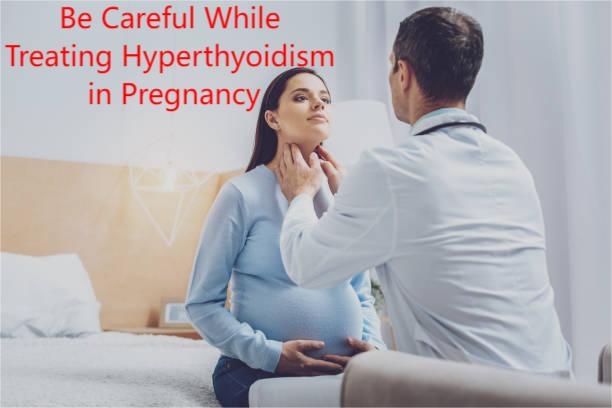
Treatment of hyperthyroidism in pregnancy (short term)
Pregnancy requires special care. PTU is often used in the first trimester, followed by a switch to methimazole when appropriate. RAI is contraindicated in pregnancy. Close collaboration between the gynecologist and endocrinologist is essential.
Read in Detail About: Treatment of Hyperthyroidism in Pregnancy
Hyperthyroidism: Diet and Lifestyle Tips (Practical, Evidence Based)
Brief Principles:
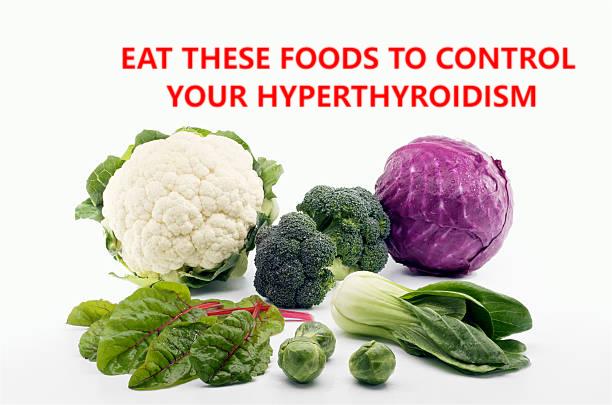
There is no single “thyroid diet” that treats overactive thyroid, but proper nutrition and avoiding excessive iodine intake can help.
Limit excess iodine intake (do not take iodine supplements unless advised). Foods high in iodine (kelp, some seaweeds) may worsen hyperthyroidism in susceptible people.
Helpful patient tips: Read in detail about: Best Supplements for Hyperthyroidism
- Eat a balanced diet: Focus on protein, vegetables, moderate carbohydrates to help with weight and muscle mass.
- Calcium and vitamin D are important if you are at risk for bone loss, discuss supplements and monitoring with your doctor.
- Avoid stimulants (excess caffeine) if palpitations and anxiety are a problem.
- Manage stress, sleep, and exercise (intensify if symptoms are severe).
Read in Detail About: Foods to Avoid with Hyperthyroidism
Hyperthyroidism: Hyperthyroidism in Special Groups
Pregnancy and Breastfeeding.
Untreated hyperthyroidism increases the risks of: miscarriage, premature birth, preeclampsia, and fetal growth problems. Treatment reduces these risks. Close monitoring is necessary. Do not stop medication without talking to your doctor.
Children and Adolescents
Present with growth retardation, behavioral changes, and school difficulties. Early diagnosis prevents long term growth and development problems.
Older adults
Symptoms are often subtle (fatigue, weight loss, heart rhythm problems). Hyperthyroidism in older adults carries a higher cardiac risk and requires careful treatment selection.
Hyperthyroidism: A Doctor’s Unique Clinical Insight
Here is a less commonly discussed but clinically important insight that I share with patients that many common blogs miss:
- “Silent” or subtle presentations in older adults and people with heart disease. These patients may present primarily with atrial fibrillation or unexplained heart failure rather than neurological symptoms. A low TSH should be checked in an unexplained new arrhythmia. (Practical approach: Ask your cardiology patient about weight change, heat intolerance.)
- T3-dominant hyperthyroidism may not be missed if T4 alone is measured. If clinical suspicion remains despite a “near-normal” T4, request a free T3. Some toxic nodules produce primarily T3.
- Drug and supplement interference is common in practice biotin (found in hair supplements) can falsely alter immune results. Amiodarone complicates both diagnosis and treatment. Always bring a complete medication/supplement list with you when you see your doctor.
- When to aim for remission vs. definitive therapy: For younger patients with Graves’ disease who want a chance at remission and for whom long term antithyroid drug monitoring is possible, a trial of antithyroid drugs is appropriate. For older patients, with large goiters, or toxic multinodular disease, RAI or surgery may be better. Shared decision making matters.
- Eye disease requires multidisciplinary care: Thyroid eye disease (in Graves’) often requires collaboration with ophthalmology and sometimes steroid or surgical therapy. Smoking worsens eye disease quitting smoking is one of the most impactful steps a patient can take.
The Ultimate Practical Checklist (Quick Steps for Readers)
- If you have an unexplained palpitations, weight loss, or new concerns, ask your doctor for a TSH.
- If you are taking medications such as amiodarone or hair supplements (biotin), tell your doctor – they affect the tests.
- If diagnosed, discuss the benefits/purpose of antithyroid drugs vs. radioactive iodine vs. surgery with your doctor (age, pregnancy desires, and case of eye disease).
- See an ophthalmologist early for eye symptoms (pain, double vision, bulging).
- Consider a bone density test if you have had hyperthyroidism for a long time.
Closing (Sympathetic Note and Call to Action).
If you suspect hyperthyroidism, don’t wait a simple blood test (TSH, free T4/T3) is the first step and can be arranged by your primary care doctor. Treatment is usually effective, and early care prevents complications. If you found this guide helpful, leave a comment with your question, let me know which section was most helpful, or share a topic you’d like me to cover next (for example, dosage adjustment tables or patient leaflets). If you’d like medical advice, include your location and I’ll suggest next steps to review locally.
Call to Action: Comment below with a symptom you’re concerned about, or click the internal links above to read focused articles. I’ll respond with relevant, practical advice.
References and Selected Resources
Hyperthyroidism: A Review – PubMed.
Hyperthyroidism — Mayo Clinic (Symptoms and Causes; Diagnosis and Treatment).
FAQS
No supplement cures hyperthyroidism. Avoid excess iodine (seaweed, kelp supplements) because it can worsen hyperthyroidism. Calcium and vitamin D support bone health, especially if bone density is low. Discuss any supplement with your doctor because some (biotin) can interfere with lab tests. For detailed dietary guidance, see our diet plan page
“Cure” depends on cause and treatment. Graves’ disease can sometimes go into long-term remission after months to years of antithyroid drug therapy; radioactive iodine or surgery often results in definitive control but commonly produces hypothyroidism needing lifelong levothyroxine. Toxic nodules often require RAI or surgery for definitive cure. Treatment goals are individualized: symptom control, normalization of hormone levels, and minimizing long-term complications
Common side effects include rash and mild joint pains. Rare but serious effects include agranulocytosis (dangerous white-cell drop) and liver injury. Patients are instructed to stop the medicine and seek urgent care if they develop fever, sore throat, or jaundice. Routine blood tests monitor thyroid levels; baseline liver tests and prompt attention to symptoms make treatment safe for most patients
Normal labs vary by lab and method, but typically a normal TSH is approximately 0.4–4.0 mIU/L (ranges differ). In primary hyperthyroidism, TSH is suppressed (very low) and free T4 and/or free T3 are high. Because lab ranges vary, your doctor interprets results in context of symptoms and other tests. If only T4 is mildly high but symptoms are strong, further testing (free T3 or antibody tests) may be needed. Don’t self-adjust medication — discuss results with your clinician
🧑⚕️ About the Author
Dr. Asif, MBBS, MHPE
Dr. Asif is a medical doctor and medical educationist with expertise in simplifying complex health topics for the general public. With a passion for preventive health and evidence-based writing, he helps readers make informed choices about their well-being.
✅ Medically Reviewed By
Dr. T.G., MBBS, FCPS (Endocrinology)
Associate Professor, Endocrinology Ward, HMC Hospital
With over 20 years of clinical experience in managing endocrine disorders, Dr. T.G. ensures that the content is accurate, reliable, and clinically relevant.
⚠️ Medical Disclaimer
This blog is intended for educational and informational purposes only. It is not a substitute for professional medical advice, diagnosis, or treatment. Always seek the advice of your physician or another qualified healthcare provider with any questions you may have regarding a medical condition. Never disregard or delay medical advice based on content you read here.
Leave a Reply