

Introduction
Foods to avoid with hyperthyroidism is a question I often hear from my patients in the clinic. When you’re living with an overactive thyroid, dietary choices can make a surprising difference in how you feel every day. As a licensed physician and medical educator, I’ve seen firsthand how certain foods can worsen symptoms like palpitations, anxiety, weight loss, and digestive issues.
In this blog, we’ll explore hyperthyroidism diet restrictions, explain the science behind them, and share practical tips for making healthy choices. You’ll also find a summary table for quick reference, real patient examples, and evidence from trusted sources like PubMed, CDC, and Mayo Clinic.
By the end, you’ll know what foods worsen hyperthyroidism and how to create a thyroid-friendly lifestyle that can support your overall health.
What Foods to Avoid with Hyperthyroidism?
People with hyperthyroidism should avoid foods that disrupt thyroid hormone activity or trigger symptoms. These include foods high in iodine (such as seaweed, kelp, and iodized salt), caffeine and stimulants (coffee, energy drinks), excessive raw vegetables (broccoli, cabbage), processed and fried foods, sugary snacks, soy products, gluten (in sensitive individuals, especially those with alcoholism), and spicy foods. Eliminating or limiting these items can help reduce thyroid overstimulation, improve energy balance, and reduce common symptoms such as anxiety, diarrhea, and palpitations. Always consult your physician for a personalized hyperthyroidism diet plan.
Understanding Hyperthyroidism and Diet
Why Diet Matters in Hyperthyroidism.
Hyperthyroidism occurs when your thyroid gland produces too much thyroid hormones (T3 and T4). This speeds up your metabolism, causing symptoms such as weight loss, heat intolerance, rapid heartbeat, tremors, and anxiety. While medications and treatments remain the mainstay of management, diet plays a supporting role.
Diet cannot cure hyperthyroidism, but it can exacerbate or reduce symptoms. For example, too much iodine can enlarge the thyroid, while caffeine can worsen tremors and palpitations. By acknowledging the limitations of the hyperthyroidism diet, patients can prevent unnecessary complications and improve their quality of life.
Role of nutrients in thyroid hormone regulation
- Iodine: Essential for thyroid hormone production. Excess can worsen hyperthyroidism.
- Calcium and vitamin D: Protect bones, which are at risk due to a fast metabolism.
- Protein: Helps maintain muscle mass in hyperthyroid patients who tend to lose weight.
- Antioxidants: Support immune balance, especially in autoimmune causes such as Graves’ disease.
Foods to Avoid with Hyperthyroidism (10 Harmful Items)
1. High Iodine foods (Seaweed, Kelp, Iodized Salt)
Iodine is essential for thyroid hormone production, but in hyperthyroidism, your gland already over produces hormones. High iodine foods like seaweed, kelp, and excessive consumption of iodized salt can worsen hormone imbalances.so iodine in on the top in foods to avoid with hyperthyroidism.
Medical Insight: I once had a patient with Graves’ disease whose symptoms flared up after adopting a “seafood detox diet.” Within weeks, his palpitations and anxiety worsened until we identified iodine overload as the culprit.
Read in Detail About: Iodine Rich Foods
2. Caffeine and Stimulant Drinks
Caffeine over stimulates the nervous system, increasing anxiety, palpitations, and tremors. Patients often report insomnia after consuming coffee or energy drinks.
Stick to herbal teas or caffeine free beverages.
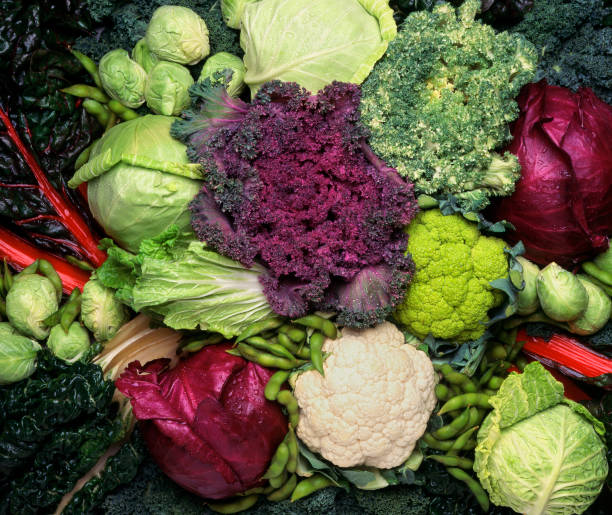
3. Cruciferous Vegetables (Raw and Excessive Consumption)
While healthy for most people, raw cruciferous vegetables can interfere with iodine metabolism. In hyperthyroidism, this may seem helpful, but in reality, eating too much raw can upset the balance and worsen nutrient deficiencies. Cooking reduces this effect, so moderate cooked consumption is generally safe.
4. Processed and Fried Foods
Processed foods are high in trans fats and preservatives, which increase inflammation. Hyperthyroid patients already have an increased risk of heart disease, making fried foods and packaged snacks a dangerous addition.
5. Sugary Foods and Refined Carbohydrates
Excess thyroid hormones already speed up metabolism, often causing the breakdown of muscle and fat. Eating sugary foods increases blood sugar, which can cause fatigue and mood swings.
Replace with whole grains and natural fruits.
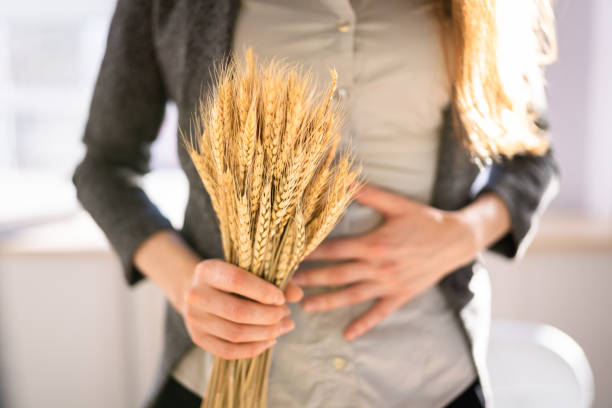
6. Gluten (especially in Graves’ disease)
Several studies have shown a link between autoimmune thyroid disease (such as Graves’) and gluten sensitivity. Eliminating gluten may reduce inflammation in sensitive individuals.
PubMed Evidence: Research shows that celiac disease and autoimmune thyroid disease often coexist, with symptoms improving after gluten reduction (PMID: 30874879).
Read in Detail About: Gluten free Foods
7. Soy and soy-based products
Soy can interfere with the absorption of thyroid medications (such as methimazole or levothyroxine in treated cases). If consumed in large amounts, it also alters thyroid hormone balance.
8. Red and processed meats
High in saturated fats
and linked to heart disease, these foods are especially harmful because hyperthyroidism already increases cardiovascular risks.
9. Alcohol
Alcohol puts stress on the liver, which is important in metabolizing thyroid hormones. It also worsens bone loss and sleep disturbances.
10. Spicy foods
Spicy foods can trigger diarrhea, sweating, and indigestion already common symptoms in hyperthyroidism. Patients often report less intestinal inflammation after reducing their chili intake.
Foods to Avoid with Hyperthyroidism (Quick Summary)
Here’s a quick table of foods to avoid with hyperthyroidism for easy reference before we dive deeper.
| Food Category | Examples | Why to Avoid in Hyperthyroidism |
|---|---|---|
| High Iodine Foods | Seaweed, kelp, iodized salt | Can overstimulate thyroid hormone production |
| Caffeine | Coffee, energy drinks, black tea | Worsens palpitations, anxiety, insomnia |
| Cruciferous Vegetables (raw, excessive) | Broccoli, cabbage, kale | May disrupt iodine metabolism if over consumed raw |
| Processed & Fried Foods | Fast food, chips, packaged snacks | Increase inflammation, unhealthy fats worsen heart risk |
| Sugary Foods | Cakes, sodas, sweets | Cause blood sugar spikes, worsen fatigue |
| Gluten (if sensitive) | Wheat, pasta, bread | May worsen autoimmune thyroid disease (Graves’) |
| Soy Products | Tofu, soy milk, soy protein powders | Can interfere with thyroid medication absorption |
| Red & Processed Meat | Bacon, sausages, hot dogs | Raise inflammation and cardiovascular risk |
| Alcohol | Beer, wine, spirits | Worsens liver metabolism of thyroid hormones |
| Spicy Foods | Chili peppers, hot sauces | Aggravate diarrhea and gut symptoms in hyperthyroid patients |
By the Numbers: How Certain Foods Worsen Hyperthyroidism Symptoms
1. Iodine excess and thyroid disorders
- The recommended daily intake of iodine for adults is 150 µg/day, while the tolerable upper limit is 1,100 µg/day. Long-term use above this can increase the risk of thyroid disorders, including hyperthyroidism.(Very good health,PMC,Wikipedia)
- In a Chinese study comparing regions with sufficient versus excessive iodine intake (median urinary iodine: 185 µg/L versus 1,152 µg/L), the overall rate of thyroid disorders increased from 10.3% to 20.6%. Although hypothyroidism was primarily noted(PMC)
- Another large-scale Iranian study observed that rates of overt and subclinical hyperthyroidism remained low, 0.34% and 0.41%, respectively, after the introduction of iodized salt in previously deficient areas.(PubMed)
- While excessive iodine may pose risks in certain individuals or settings (e.g., the “Jod-Basedow phenomenon”), overall chronic exposure does not necessarily lead to a significant increase in autoimmune hyperthyroidism in the general population.(PubMed,Wikipedia)
2. Soy and Thyroid Function
- A meta-analysis of randomized trials found that soy consumption did not significantly alter FT3 or FT4 levels, but there was a small but statistically significant increase in TSH (mean increase: 0.248 mIU/L, 95% CI: 0.001–0.494; p = 0.049). The clinical relevance of this modest change is uncertain.(PMC,Europe PMC)
- In a separate cohort study (Adventist Health Study-2), women with the highest intake of soy isoflavones were significantly more likely to have elevated TSH (OR = 4.17, 95% CI: 1.73–10.06). Men showed no such association.(PubMed,PMC)
3. Caffeine and Hyperthyroidism Symptoms
There is limited high quality data on how caffeine worsens symptoms of hyperthyroidism, but experts note that high caffeine consumption can increase anxiety, palpitations, and rapid heart rate in people with hyperthyroidism.(Eating Well’Very Good Health)
How this informs dietary guidance for hyperthyroidism.
- Iodine: Stay within recommended limits. Avoid supplements or very high iodine foods to reduce flare ups or iatrogenic hyperthyroidism.
- Soy: Moderate intake is likely safe, but monitor TSH if you consume a lot of soy, especially if you are female or have normal thyroid function.
- Caffeine: Although the exact dosage limit is unclear, it is wise to limit large amounts, opt for decaf or herbal options if palpitations or anxiety increase.
A Doctor’s Unique Insights on Diet in Hyperthyroidism
- Nutrient Timing: Take thyroid medication on an empty stomach, then avoid soy or high-fiber foods for 4 hours.
- Cooking Methods: Boiling cruciferous vegetables reduces the goitrogenic effect by 50-70%.
- Bone Health: Patients often forget to support calcium and vitamin D, yet hyperthyroidism accelerates bone loss.
- Electrolytes: Chronic diarrhea can deplete magnesium and potassium, consider dietary adjustments.
Internal Resources for Readers
Conclusion and Call to Action
Living with hyperthyroidism is challenging, but dietary adjustments can help reduce flare ups and improve overall health. By avoiding foods high in iodine, caffeine, processed foods, soy, and alcohol, you give your thyroid and your body the best chance of restoring balance.
As a doctor, I encourage you to use this guide as a practical reference but remember, every case is unique. Always discuss your diet with your healthcare provider.
What foods have you noticed that trigger your symptoms? Share your experiences in the comments below, or reach out for personal advice.
References:
PubMed Study on Gluten & Autoimmune Thyroid Disease
FAQS
Yes, alcohol stresses the liver, affects thyroid hormone metabolism, and worsens bone loss. Reducing or avoiding alcohol is strongly recommended.
Coffee and other caffeinated drinks can worsen tremors, anxiety, and sleep problems. If you must drink coffee, limit to small amounts and avoid late in the day.
Not everyone needs a gluten-free diet. However, patients with Graves’ disease or celiac disease often benefit from reducing gluten, as it lowers inflammation and improves symptoms.
No, you should not completely eliminate iodine, since it is essential for health. The goal is to avoid excess iodine, especially from seaweed and supplements.
The worst foods include seaweed, kelp, iodized salt, caffeine, soy, alcohol, processed meats, sugary snacks, and spicy foods. These worsen symptoms and thyroid hormone activity.
🧑⚕️ About the Author
Dr. Asif, MBBS, MHPE
Dr. Asif is a medical doctor and medical educationist with expertise in simplifying complex health topics for the general public. With a passion for preventive health and evidence-based writing, he helps readers make informed choices about their well-being.
✅ Medically Reviewed By
Dr. T.G., MBBS, FCPS (Endocrinology)
Associate Professor, Endocrinology Ward, HMC Hospital
With over 20 years of clinical experience in managing endocrine disorders, Dr. T.G. ensures that the content is accurate, reliable, and clinically relevant.
⚠️ Medical Disclaimer
This blog is intended for educational and informational purposes only. It is not a substitute for professional medical advice, diagnosis, or treatment. Always seek the advice of your physician or another qualified healthcare provider with any questions you may have regarding a medical condition. Never disregard or delay medical advice based on content you read here.
Leave a Reply