

Introduction
Treatment of hyperthyroidism in pregnancy is one of the most important aspects of prenatal care because it affects both the mother and the developing baby. Hyperthyroidism occurs when the thyroid gland produces too much thyroid hormone, leading to an overactive metabolism. During pregnancy, this condition requires careful management to avoid complications.
As a physician and medical educator, I often hear worried mothers ask: “Doctor, is it safe to treat hyperthyroidism during pregnancy?” This guide covers clinically sound, research backed answers to this question, including treatments, safe medications, guidelines, and medical insights.
In this blog, we will cover the treatment of hyperthyroidism during pregnancy in detail, including the safest antithyroid medications, trimester specific guidelines, monitoring strategies, risks of untreated disease, and postpartum considerations. You will also find expert insights, real life case examples, and answers to common questions to help you understand this condition with clarity and confidence.
What is the treatment for hyperthyroidism in pregnancy?
Treatment of hyperthyroidism in pregnancy focuses on maintaining normal thyroid hormone levels to protect both mother and baby. First line therapy is usually antithyroid drugs (ATDs), with propylthiouracil (PTU) preferred in the first trimester due to its low risk of congenital anomalies, and methimazole (MMI) recommended in the second and third trimesters for liver protection. Radioactive iodine therapy is strictly contraindicated during pregnancy. Beta-blockers such as propranolol may be used temporarily for symptom control but should be discontinued once stable. In exceptionally severe cases, surgery (thyroidectomy) may be considered, ideally in the second trimester.
Careful monitoring with thyroid function tests every 4–6 weeks is necessary. Untreated hyperthyroidism increases the risk of miscarriage, premature birth, preeclampsia, and fetal growth restriction. With appropriate treatment following guidelines from the American Thyroid Association (ATA) and the World Health Organization (WHO), most women can have a healthy pregnancy and safe delivery.
Understanding Hyperthyroidism in Pregnancy
Hyperthyroidism affects approximately 0.2–0.4% of pregnancies worldwide, making it a relatively uncommon but clinically important condition (PubMed ID: 25788191). The most common cause is Graves’ disease, an autoimmune condition in which antibodies attack the thyroid gland. Other causes include toxic multinodular goiter and gestational transient thyrotoxicosis (GTT).
Why treatment of hyperthyroidism during pregnancy is necessary.
- Maternal risks: severe preeclampsia, thyroid storm, miscarriage.
- Fetal risks: intrauterine growth restriction, preterm labor, stillbirth.
- Long-term risks: neurodevelopmental problems in untreated cases.
Read in Detail About: Causes of Hyperthyroidism in Females
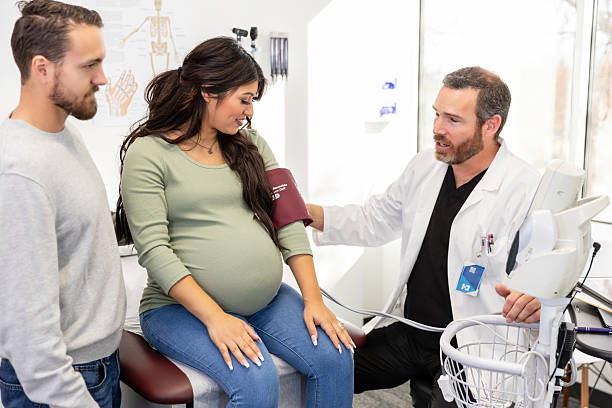
Treatment of Hyperthyroidism in Pregnancy (Guidelines)
International recommendations (ATA, WHO) when it comes to hyperthyroidism in pregnancy treatment guidelines balance effective therapy with safety.
Antithyroid drugs (ATDs)
Propylthiouracil (PTU): Preferred in the first trimester. Low teratogenicity but risk of hepatotoxicity.
Methimazole (MMI): Used in the second and third trimesters. Teratogenic if used in early pregnancy (aplasia cutis, choanal atresia).
Unique Doctor Insight: I often explain to patients that we “change lanes mid pregnancy.” Think of PTU as a safe bridge in the early weeks, while methimazole gets us safely through the second half.
Beta Blockers
- Used short term to control palpitations and tremors.
- Propranolol is the most common, but long term use can cause fetal growth restriction.
Surgery (Thyroidectomy)
- Reserved for cases of ATDs or refractory disease intolerance.
- Safest in the second trimester.

Reference: Mayo Clinic – Hyperthyroidism in Pregnancy
Safe Antithyroid Drugs During Pregnancy
Secondary Keyword Placement: Safe antithyroid drugs during pregnancy are a major concern for both patients and physicians.
PTU: Lower risk of birth defects, but liver enzyme monitoring.
MMI: Safer for the mother in long-term use, but avoid in the first trimester.
Dosage: Use the lowest effective dose to keep maternal free T4 at or slightly above the upper normal range.
Case example (storytelling):
A 28 year old mother presented with palpitations and weight loss in her 10th week. We started her on PTU with careful monitoring. By 18 weeks, we switched her to methimazole. Her pregnancy continued safely, and she delivered a healthy baby girl at 39 weeks.
Monitoring and follow up
Monitoring is the backbone of effective management.
- TSH and free T4 testing every 4-6 weeks.
- Dosage adjustments are frequent – pregnancy alters thyroid binding protein.
- Fetal monitoring by ultrasound if maternal antibodies (TRAb) are high.
Read In Detail About: How to Maintain Normal TSH Level
Risks of untreated hyperthyroidism in pregnancy
If hyperthyroidism in pregnancy is not treated this can cause:
- 2–3 times higher miscarriage rate (WHO data, 2021).
- Premature birth in 8–10% of cases (PubMed ID: 33782912).
- Low birth weight and fetal goiter.
- Rare but life threatening maternal complication: thyroid storm.
Reference: World Health Organization – Maternal thyroid health
Pregnancy transient thyrotoxicosis (GTT)
A specific scenario is often misdiagnosed as Graves’ disease.
- Usually in the first trimester, triggered by high hCG levels.
- Symptoms: nausea, vomiting, mild thyrotoxicosis.
- Usually self limiting and does not require ATDs
- Supportive care with hydration and antiemetics.
Doctor’s insight: Many patients come in worried that they have “Graves’ disease.” But I reassure them: “Sometimes your thyroid is just reacting to pregnancy hormones, not a lifelong disease.”
Nutrition and lifestyle support
- Adequate iodine intake (150 µg/day recommended in pregnancy, WHO).
- Avoid excess iodine from supplements or contrast agents.
- Small, frequent meals to reduce hypermetabolic symptoms.
- Stress management techniques yoga, meditation can improve quality of life.
Link to my article on symptoms of hypothyroidism in females for patients looking into thyroid-stimulating hormone therapy.
Read In Detail About: Diet Plan for Hyperthyroidism.

Postpartum considerations
- Some women may develop postpartum thyroiditis.
- Graves’ disease may flare up after delivery.
- Safe breastfeeding with low dose ATDs (both PTU and MMI are considered compatible in small doses (PubMed ID: 30864079).
Rarely discussed clinical insight (unique value)
- Placental transfer of TRAb antibodies: Even if the mother is well controlled, antibodies can cross and affect the baby’s thyroid.
- Dosing strategy: Some clinicians adopt “block and replace” (ATD + levothyroxine), but this is not recommended in pregnancy due to high fetal exposure.
- Subclinical hyperthyroidism: Often no treatment is required unless symptomatic or severe.
Treatment of Hyperthyroidism in Pregnancy: Beware of These Drugs
When managing thyroid disorders during pregnancy, not all drugs are equally safe. Some can be used with extreme caution, while others should be avoided altogether due to adverse effects on the mother and baby.
Propylthiouracil (PTU) Can be used with caution.
PTU is the preferred drug in the first trimester because it has a lower risk of causing birth defects than methimazole. However, it carries a risk of liver toxicity in the mother. This means that it should be prescribed at the lowest effective dose and with close monitoring of liver function tests. After the first trimester, doctors usually switch patients to methimazole to reduce the risk of liver injury.
Radioactive iodine (never safe in pregnancy)
Radioactive iodine therapy is strictly contraindicated at all stages of pregnancy. It destroys thyroid tissue and easily crosses the placenta, where it can permanently damage the developing thyroid gland of the baby. This can cause fetal hypothyroidism, goiter, and developmental problems. For this reason, it is never recommended for pregnant women, and it is important to choose alternative treatments.
Conclusion and Call to Action
Treatment of hyperthyroidism in pregnancy requires a careful balance: protecting the health of the mother while ensuring the safety of the fetus. With timely diagnosis, the right choice of antithyroid drugs, and regular monitoring, most women have successful pregnancies and healthy babies.
As a doctor, I encourage you: If you are pregnant and have thyroid problems, do not hesitate to ask questions. Post your questions in the comments, or book a consultation to discuss your case in person. Your health and the safety of your baby come first.
FAQS
🧑⚕️ About the Author
Dr. Asif, MBBS, MHPE
Dr. Asif is a medical doctor and medical educationist with expertise in simplifying complex health topics for the general public. With a passion for preventive health and evidence-based writing, he helps readers make informed choices about their well-being.
✅ Medically Reviewed By
Dr. T.G., MBBS, FCPS (Endocrinology)
Associate Professor, Endocrinology Ward, HMC Hospital
With over 20 years of clinical experience in managing endocrine disorders, Dr. T.G. ensures that the content is accurate, reliable, and clinically relevant.
⚠️ Medical Disclaimer
This blog is intended for educational and informational purposes only. It is not a substitute for professional medical advice, diagnosis, or treatment. Always seek the advice of your physician or another qualified healthcare provider with any questions you may have regarding a medical condition. Never disregard or delay medical advice based on content you read here.
Leave a Reply