

Introduction
Hypothyroidism treatment in pregnancy is more than just a thyroid problem it’s a delicate balancing act between the mother’s health and the baby’s development. When the thyroid gland produces low levels of hormones during pregnancy, the health of both the mother and the fetus can be affected. As a physician, I often encounter expectant mothers who are concerned about thyroid function, asking if treatment is safe and what steps they should take.
In this comprehensive guide, we’ll discuss hypothyroidism treatment in pregnancy, explore safe medication options, highlight nutritional strategies, and explain the latest medical recommendations. Whether you’re an expectant mother, a family member, or simply doing research, this article will provide you with clarity, reassurance, and science backed knowledge.
What is the treatment for hypothyroidism in pregnancy?
Hypothyroidism treatment in pregnancy involves carefully managing thyroid hormone levels to ensure both maternal health and normal fetal brain development. The standard treatment is levothyroxine, a synthetic thyroid hormone that is safe for pregnancy. Dosage adjustments are often needed because the demand for thyroid increases during pregnancy. Close monitoring through blood tests (TSH and free T4) is essential. Along with medication, adequate iodine intake and medical supervision play a key role in preventing complications such as miscarriage, preeclampsia, premature delivery, and fetal brain development.
1. Why treat hypothyroidism in pregnancy?
Leaving hypothyroidism untreated during pregnancy can have serious consequences for both mother and baby. Since thyroid hormones control metabolism, growth, and brain development, any imbalance can pose long term risks.
For the mother:
- Risk of miscarriage: Untreated hypothyroidism is associated with a higher risk of early pregnancy loss (PubMed, 2019).
- Preeclampsia: Women can develop dangerously high blood pressure and swelling.
- Placental abruption: The placenta can separate prematurely, which can put both mother and baby at risk.
- Anemia and fatigue: Severe hypothyroidism often worsens maternal anemia, making women tired.
For the baby:
- Premature birth: Babies can be born before 37 weeks.
- Low birth weight: Insufficient thyroid hormone can stunt intrauterine growth.
- Neurodevelopmental delays: Insufficient maternal thyroid hormone intake during the first trimester when the baby’s brain is developing can lead to IQ and learning difficulties later in life (WHO data, 2020).
- Risk of stillbirth: Severe untreated hypothyroidism increases the risk of stillbirth.
Doctor’s insight: I once managed a patient with untreated mild hypothyroidism in early pregnancy. When she came to me, she had experienced recurrent miscarriages. With timely levothyroxine therapy and monitoring, she gave birth to a healthy baby. This highlights the importance of early detection and treatment.
2. Understanding Hypothyroidism during Pregnancy
What happens to the thyroid during pregnancy?
During pregnancy, the thyroid must produce 30-50% more thyroid hormone to meet the growing needs of both the mother and fetus (PubMed, 2019). The fetus is completely dependent on maternal thyroid hormones for the first 12 weeks of life until its own thyroid is developed.
Types of Hypothyroidism in Pregnancy
- Overt Hypothyroidism – High TSH, Low Free T4. Immediate treatment is needed.
- Subclinical Hypothyroidism – Elevated TSH with Normal Free T4. Still needs monitoring, as it can affect fetal brain development.
Read in Detail About: Causes of Hypothyroidism
3. Diagnosis of Hypothyroidism During Pregnancy
Key Blood Tests
- TSH (Thyroid Stimulating Hormone): The best screening test.
- Free T4: Confirms low thyroid hormone levels.
- Reference ranges in pregnancy
Pregnancy has trimester-specific ranges:
- First trimester: TSH should be less than 2.5 mIU/L.
- Second trimester: Below 3.0 mIU/L
- Third trimester: Below 3.5 mIU/L
Doctor’s insight: Many labs report non-pregnancy TSH ranges, which can be misleading to clinicians. Always use the pregnancy-specific cutoff.
4. Hypothyroidism Treatment in pregnancy: The mainstay
Levothyroxine therapy
First-line treatment: Levothyroxine (synthetic T4)
Safety: Levothyroxine is safe for mother and baby it mimics the natural hormone.
Dosage adjustments: Most women require a 30-50% increase in dosage once pregnancy is confirmed (Mayo Clinic).
How it’s done.
- Women already taking thyroid medication: Increase dosage as soon as pregnancy is confirmed.
- New diagnosis: Start treatment immediately.
Levothyroxine (T3):
Not usually prescribed in pregnancy because T3 does not cross the placenta effectively. The fetus needs maternal T4 for brain development.
Combination T4/T3 therapy:
Avoided during pregnancy due to lack of safety data.
What is not safe?
Desiccated thyroid extract (natural thyroid): These have variable hormone levels and are not recommended in pregnancy.
Over the counter thyroid boosters/supplements: Can be harmful and unregulated.
Doctor’s perspective: Many patients ask me if the newer “natural” thyroid options are safer in pregnancy. The truth is: synthetic levothyroxine is the only evidence-based, safe, and effective choice. Sticking with it ensures both maternal stability and optimal fetal brain development.
Read in Detail About: Latest treatment for hypothyroidism
5. Monitoring and follow-up
Testing frequency
- Every 4-6 weeks in the first half of pregnancy.
- At least once per trimester after 20 weeks.
Target TSH levels in pregnancy
First trimester (0-12 weeks):
- TSH should be kept ≤ 2.5 mIU/L.
(Because early brain development is completely dependent on maternal T4 supply)
Second trimester (13-27 weeks):
- TSH should be kept ≤ 3.0 mIU/L.
Third trimester (28 weeks to delivery):
- TSH should be kept ≤ 3.0–3.5 mIU/L.
If specific trimester-specific references are not available in the lab report, many experts recommend maintaining TSH between the lower limit of normal and 2.5 mIU/L throughout pregnancy as a safe margin.
Clinical tip (from practice): I always advise patients to check TSH every 4-6 weeks in early pregnancy and adjust the levothyroxine dose accordingly. Even small fluctuations can affect fetal brain development in the first trimester.
Doctor’s perspective: A common mistake is to test infrequently. I emphasize to my patients that frequent monitoring prevents complications.
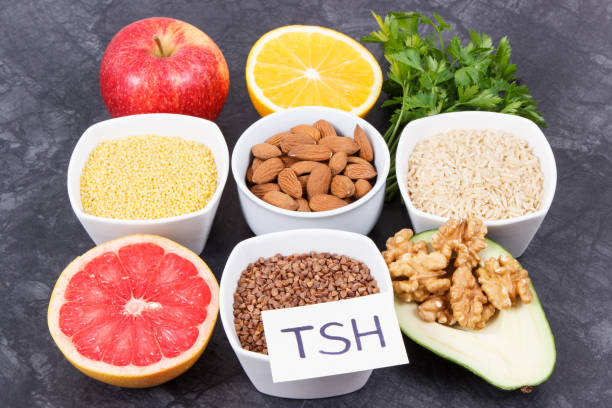
6. Nutritional support for hypothyroidism during pregnancy
Medication is primary, but nutrition plays a supporting role.
Essential nutrients
- Iodine – Important for thyroid hormone synthesis. Recommended daily intake in pregnancy: 220 mcg (WHO).
- Selenium – Supports thyroid function. Found in Brazil nuts, eggs, and fish.
- Iron – Low iron reduces thyroid hormone activity.
Read in Detail About: Thyroid-friendly foods
7. Medications that affect hypothyroidism in pregnancy.
Some medications can interfere with the absorption or function of thyroid hormone:
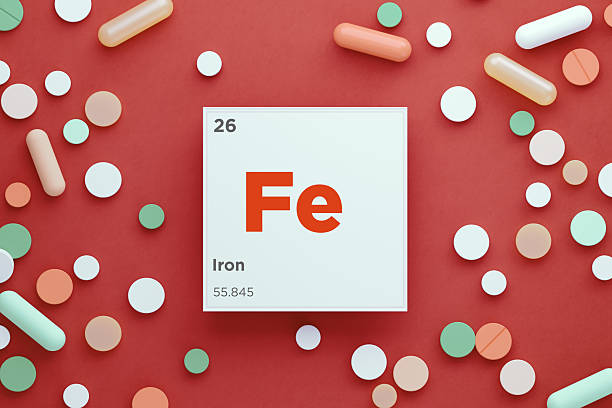
- Iron supplements (should be taken 4 hours apart from levothyroxine)
- Calcium supplements
- Antacids
Read in Detail About: Medications that affect thyroid function.
8. Global Guidelines on Hypothyroidism during Pregnancy
American Thyroid Association (ATA, 2017): Recommends treatment of overt and subclinical hypothyroidism during pregnancy.
- WHO: Urges iodine supplementation.
- CDC: Advises preconception screening in high-risk women.
References:
WHO: Iodine Nutrition in Pregnancy
9. Long Term Outlook for Mother and Baby
When hypothyroidism during pregnancy is diagnosed early and treated properly with levothyroxine, the long term outlook is usually excellent:
For the mother: Women who maintain TSH levels within the trimester specific range usually have healthy pregnancies without complications. When treatment is optimized, they have a much lower risk of preeclampsia, anemia, placental abruption, or postpartum thyroiditis. After delivery, many mothers can continue on the same dosage of medication or with routine follow up, with minor adjustments needed.
For the baby: Adequate maternal thyroid hormone ensures normal growth, brain development, and a healthy birth weight. Babies born to these mothers who were well managed usually meet developmental milestones and show no long term cognitive or physical problems.
Key takeaways: With appropriate treatment, both mother and baby can expect a normal, healthy future. The only major concern is missed or delayed diagnosis, which highlights the importance of regular thyroid screening and close follow up during pregnancy.
10. Rarely Discussed Insights (Doctor’s Perspective)
Psychological Impact: Anxiety is common in pregnant women with hypothyroidism, which is often overlooked. Support groups or counseling help.
Postpartum Risk: Women with hypothyroidism during pregnancy are at increased risk of postpartum thyroiditis which requires follow up after birth.
Vitamin D Link: Emerging evidence suggests that low vitamin D impairs thyroid autoimmunity. Vitamin D testing may benefit some patients.
Case example: A pregnant woman with hypothyroidism.
I recall a 32 year old patient, 10 weeks pregnant, diagnosed with subclinical hypothyroidism. She was hesitant about taking levothyroxine. After counseling her about fetal brain development, she agreed to the treatment. With regular monitoring, her pregnancy progressed without complications.
Lesson: Many women are afraid of medication, but levothyroxine is life saving for the baby’s brain.
Conclusion and Call to Action
Hypothyroidism treatment in pregnancy is a journey that requires confidence, consistency, and medical supervision. With appropriate medications, regular monitoring, and supportive nutrition, mothers can enjoy a healthy pregnancy and babies can thrive.
As a physician, I encourage you to ask questions, stay informed, and share your experiences. Leave a comment below or get in touch if you have concerns about thyroid health during pregnancy.
FAQS
Some women may see improved thyroid function, but many continue treatment. Postpartum monitoring is essential.
Every 4–6 weeks during the first 20 weeks, then once per trimester, or more frequently if dose changes are needed.
Yes. Levothyroxine is identical to the natural thyroid hormone and is safe for both mother and baby. It does not harm fetal development when taken at the right dose.
Yes. Preconception counseling and optimization of thyroid hormone levels are critical for a safe pregnancy.
It increases risks of miscarriage, preterm birth, preeclampsia, and poor brain development in the baby.
🧑⚕️ About the Author
Dr. Asif, MBBS, MHPE
Dr. Asif is a medical doctor and medical educationist with expertise in simplifying complex health topics for the general public. With a passion for preventive health and evidence-based writing, he helps readers make informed choices about their well-being.
✅ Medically Reviewed By
Dr. T.G., MBBS, FCPS (Endocrinology)
Associate Professor, Endocrinology Ward, HMC Hospital
With over 20 years of clinical experience in managing endocrine disorders, Dr. T.G. ensures that the content is accurate, reliable, and clinically relevant.
⚠️ Medical Disclaimer
This blog is intended for educational and informational purposes only. It is not a substitute for professional medical advice, diagnosis, or treatment. Always seek the advice of your physician or another qualified healthcare provider with any questions you may have regarding a medical condition. Never disregard or delay medical advice based on content you read here.
Leave a Reply