

Introduction
Sigmoidoscopy preparation is often the part of the procedure that makes patients the most anxious. When I schedule someone for their first sigmoidoscopy, one of the first questions I hear is: “Dr., what do I need to do before the test? Will the preparation be uncomfortable?”
As a licensed physician and medical educator, I know that the preparation process can feel more intimidating than the actual test. That’s why in this guide, I’ll walk you through what to eat, how to cleanse your bowels, and what to expect on the day of the procedure. My goal is to help you approach it with confidence, reduce stress, and ensure that your results are accurate.
In this article, we’ll discuss everything you need to know about sigmoidoscopy preparation including what the procedure involves, step-by-step preparation instructions, what not to eat or drink, medication adjustments, potential benefits and risks, and answers to common patient questions. By the end, you’ll feel confident, well informed, and ready for a stress free experience.
What is Sigmoidoscopy Preparation?
Sigmoidoscopy preparation refers to the specific steps a patient takes before undergoing a sigmoidoscopy, a procedure used to examine the lower part of the large intestine (sigmoid colon and rectum). Proper preparation is essential because a clear colon allows your doctor to clearly see the lining of the colon, detect polyps, and diagnose conditions such as inflammation or colorectal cancer.
Preparation typically includes:
- Dietary changes, often switching to a low-fiber or clear liquid diet 24-48 hours before the procedure.
- Bowel cleansing, using an enema, laxative, or prescribed solution to empty the colon.
- Medication review, adjusting or temporarily stopping certain medications, such as blood thinners, with your doctor’s guidance.
Without proper preparation, the test may be incomplete, inaccurate, or need to be repeated. Following your doctor’s instructions carefully will ensure that the procedure is safe, comfortable, and provides reliable results.
Why Sigmoidoscopy preparation is important.
The quality of your preparation directly affects the accuracy of your test. A study published in PubMed found that inadequate bowel preparation accounts for up to 20% of incomplete sigmoidoscopy procedures, often requiring repeat procedures.
Imagine trying to look through a foggy window you miss out on details. The same applies when the colon is not properly cleaned. Residual stool can hide small polyps or early signs of disease.
In my experience, patients who understand the why behind the preparation are much more motivated to follow the instructions properly.
Read in Detail About: [Types of sigmoidoscopy]
Sigmoidoscopy Benefits and Risks
Benefits of Sigmoidoscopy
- Sigmoidoscopy detects early signs of colorectal cancer in the colon and rectum.
- Identifies inflammation, ulcers, or infections in the lower intestines.
- Less invasive than colonoscopy, often without sedation.
- Shorter preparation and recovery time than colonoscopy.
- Can guide treatment decisions for conditions such as rectal bleeding or chronic diarrhea.
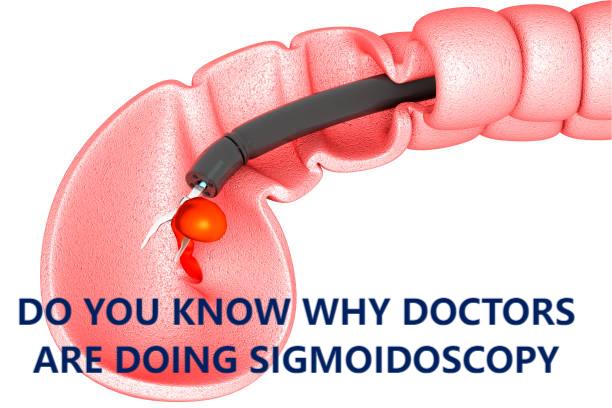
Risks of Sigmoidoscopy
- Although complications are rare, they may include:
- Mild pain, bloating, or discomfort during/after the test.
- Bleeding, especially if a biopsy or polyp is being removed
- Hole in the bowel wall (extremely rare, estimated to occur in less than 1 in 10,000 cases).
- Infection (very uncommon with proper sterilization).
Doctor’s Insight: From clinical practice, I assure patients that the benefits of an accurate diagnosis far outweigh the risks, especially when the procedure is performed by trained specialists.
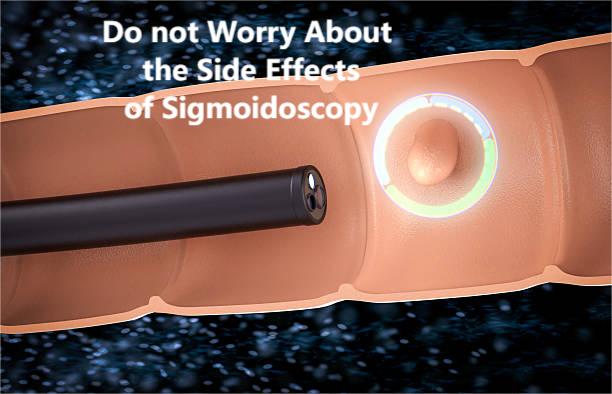
Read in Detail About: [side effects of sigmoidoscopy]
Step-by-Step Sigmoidoscopy Preparation Instructions
1. sigmoidoscopy preparation diet
Your diet in the 1-2 days before the procedure is just as important as the colon cleanse itself.
General dietary guidelines include:
- Two days before: Switch to a low fiber diet. Avoid nuts, seeds, whole grains, and raw vegetables.
- One day before: Clear liquid diet only (broth, apple juice, plain tea, clear gelatin).
- The day of the procedure: Nothing to eat or drink for a few hours before the test.
Doctor’s Tip: I often tell patients to think of this diet as a “pressure break” on your digestive system. A bland, bland diet gives your colon a head start on cleansing.
2. Flexible Sigmoidoscopy Preparation Methods
Since most patients undergo flexible sigmoidoscopy, preparation usually involves bowel cleansing.
Common Flexible Sigmoidoscopy preparation options include:
- Enema only preparation: Used in many cases. A phosphate or saline enema is given 1-2 hours before the procedure.
- Oral laxative + enema prep: Sometimes used for a more thorough cleansing.
Read in Detail About: [Flexible Sigmoidoscopy Indications]
Rarely discussed insight: Patients with chronic constipation may require longer preparation (a mild laxative the night before in addition to the enema). This nuance is often missed in general guides, but in practice it makes a big difference.
3. Medication adjustments
Your doctor will carefully review your medication list. Key points:
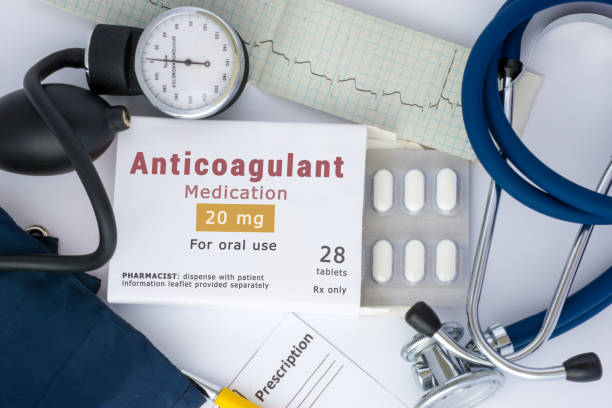
- Blood thinners (warfarin, clopidogrel): May require temporary discontinuation.
- Diabetes medications: Adjust insulin timing if fasting.
- Iron supplements: Usually stopped 5-7 days early, as they darken stools.
Case example: I once had a patient on daily aspirin who didn’t mention it during the prep. This small oversight increased their risk of bleeding. Always disclose all medications, including over-the-counter medications.
4. Day of Procedure Checklist
The morning of your procedure:
- Take only approved clear fluids
- Administer the enema as directed.
- Bring a list of medications and allergies.
- Wear loose clothing for comfort.
- If sedation is planned, arrange for someone to accompany you.
Common concerns during sigmoidoscopy preparation
“Will the preparation hurt?”
Most patients describe the enema as mildly uncomfortable but not painful. Some bloating or pain may occur but usually resolves quickly.
“What if I don’t completely clear?”
If your bowel preparation is not adequate, your doctor may need to repeat the test. That’s why it’s absolutely essential to follow the sigmoidoscopy preparation instructions.
“Can I take my regular medications?”
Most can be continued, but always check with your doctor.
Doctors want patients to know about preparing for a sigmoidoscopy.
As a physician, here are some insights I often share but don’t see in general online articles:
Individual preparation matters: Patients with IBS, constipation, or diabetes often need appropriate adjustments.
Hydration reduces discomfort: Staying well hydrated before switching to clear liquids makes preparation easier.
Mental preparation also helps: Patients who understand each step ahead of time experience less anxiety.
Analogy: Preparing for a sigmoidoscopy is like preparing your home for guests. A little cleaning ahead of time makes the final check up go faster and smoother.
What not to do, eat, or drink while doing sigmoidoscopy preparation.
What not to do.
- Don’t ignore your doctor’s instructions even small deviations can affect the test results.
- Don’t take iron supplements unless approved (they darken stool and interfere with visibility).
- Don’t forget to disclose all medications, especially blood thinners and diabetes medications.
- Don’t wait until the last minute start your diet and prepare according to schedule.
What not to eat in sigmoidoscopy preparation diet.
- High fiber foods: nuts, seeds, popcorn, raw vegetables, beans.
- Red or purple foods: They can stain the colon and mimic blood.
- Whole grain breads or cereals: They leave residue that makes visualization difficult.
- Fatty or fried foods: Slow digestion and can interfere with bowel cleansing.
What not to drink.
- Alcohol: Dehydrates the body and complicates the procedure.
- Red, purple, or orange juices/drinks: Can interfere with visual interpretation.
- Milk or dairy products: Can leave residue in the intestines.
- Carbonated drinks: Increase bloating and discomfort.
Recovery after a sigmoidoscopy
While most of the preparation takes place before the test, knowing what comes afterward is key.
- You can usually resume your normal diet the same day.
- Mild bloating or pain may occur but will resolve quickly.
- Avoid driving for 24 hours if sedation was used.
Conclusion and Call to Action
Preparing for a sigmoidoscopy can feel overwhelming at first, but with the right guidance, it can be simple and stress free.
Remember:
Follow the step-by-step instructions.
- Ask your doctor about your specific health conditions.
- Stay hydrated and mentally and physically prepared.
- As a doctor, I always tell my patients: Preparation is the key to success. A clean colon gives us the best chance of detecting problems early and keeping you healthy.
- Are you scheduled for a sigmoidoscopy? Share your questions or concerns in the comments I’d love to help guide you. And if you’re just getting ready, take a deep breath: You’ve got this.
Reference:
Mayo Clinic – Flexible Sigmoidoscopy Overview
https://www.mayoclinic.org/tests-procedures/flexible-sigmoidoscopy/about/pac-20394189CDC – Colorectal Cancer Screening Tests
https://www.cdc.gov/cancer/colorectal/basic_info/screening/tests.htm
FAQS
Risks are rare but may include dehydration, electrolyte imbalance, or irritation from enemas. Patients with kidney disease or heart failure should follow specialized instructions from their doctor.
No. Most doctors recommend a low-fiber or clear liquid diet the day before. Eating heavy or solid foods may leave residue in the colon, making the test less accurate.
Sigmoidoscopy preparation usually takes about 12–24 hours, including dietary changes and the final enema on the day of the test. Flexible sigmoidoscopy prep is often shorter than colonoscopy prep, but following your doctor’s specific instructions is key.
If the bowel is not adequately cleaned, your doctor may cancel or repeat the procedure. Always call your healthcare provider if you miss a prep step.
Colonoscopy requires full bowel cleansing with strong laxatives, while sigmoidoscopy preparation often involves just enemas and a shorter clear liquid diet. This makes sigmoidoscopy easier for many patients, though it examines only part of the colon.
🧑⚕️ About the Author
Dr. Asif, MBBS, MHPE
Dr. Asif is a licensed medical doctor and qualified medical educationist with a Master’s in Health Professions Education (MHPE) and 18 years of clinical experience. He specializes in gut health and mental wellness. Through his blogs, Dr. Asif shares evidence-based insights to empower readers with practical, trustworthy health information for a better, healthier life.
⚠️ Medical Disclaimer
This blog is intended for educational and informational purposes only. It is not a substitute for professional medical advice, diagnosis, or treatment. Always seek the advice of your physician or another qualified healthcare provider with any questions you may have regarding a medical condition. Never disregard or delay medical advice based on content you read here.
Leave a Reply