

Introduction
Flexible sigmoidoscopy indications are one of the topics that patients ask me about most frequently in my daily practice. As a physician and medical educator, I often encounter individuals who are concerned and curious when this procedure is recommended. One of the most common questions I hear is: “Doctor, why do I need this test?”
The answer lies in understanding that this minimally invasive test is not just for when something is wrong it also plays a vital role in the prevention and early detection of serious conditions in the lower digestive tract. From screening for colon cancer to evaluating unexplained symptoms like rectal bleeding, flexible sigmoidoscopy has numerous clinical applications that directly impact patient health outcomes.
In this guide, I will walk you through the top 10 indications for flexible sigmoidoscopy, supported by clinical research, official guidelines, and insights gained from my own clinical experience.
What are the indications for flexible sigmoidoscopy?
Flexible sigmoidoscopy indications include a wide range of medical conditions where doctors need to examine the lower part of the large intestine (rectum and sigmoid colon). The most common reasons include:
- Colorectal cancer screening (especially in patients over 50 years of age).
- Persistent rectal bleeding or blood in the stool.
- Chronic diarrhea or unexplained change in bowel habits.
- Unexplained abdominal or rectal pain.
- Evaluation of anemia due to suspected gastrointestinal bleeding.
- Monitoring for inflammatory bowel disease (IBD) such as ulcerative colitis.
- Detection of colon polyps and precancerous changes.
- Evaluation of suspected rectal tumors.
- Follow up after abnormal imaging or stool tests.
- Prognostic evaluation before surgery or advanced treatment.
In short, the indications for flexible sigmoidoscopy range from cancer prevention to evaluating common digestive symptoms. It is a safe, accurate, and widely used diagnostic procedure that often provides life saving information.
Understanding Flexible Sigmoidoscopy Overview
Before diving into the specific indications for flexible sigmoidoscopy, it is important to know what the procedure involves.
A flexible sigmoidoscopy uses a thin, flexible tube with a light and camera to examine the rectum and sigmoid colon, the last part of the large intestine. Unlike a colonoscopy, which examines the entire large intestine, this test focuses on the lower part.
Duration: 10-20 minutes
Preparation: Usually less extensive than a colonoscopy (enema or light bowel prep)
Comfort: Often done without sedation, although there may be mild discomfort.
Benefit: Quick, reliable, and often sufficient for diagnosing common lower GI problems
Doctor’s unique insight: Many patients assume that a colonoscopy is always necessary, but in fact, flexible sigmoidoscopy is less invasive and sufficient for many diagnostic situations. I often recommend it when we need quick answers without the risks of full sedation.
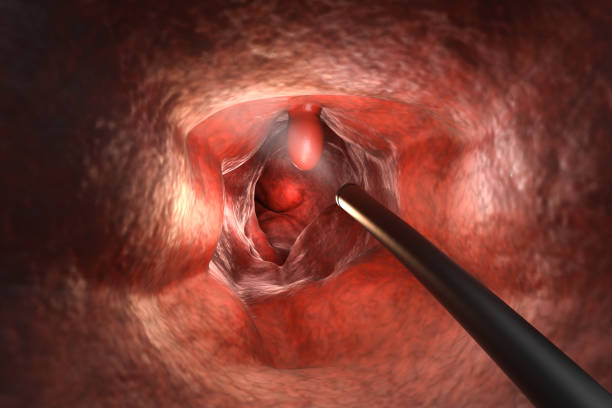
Top 10 Flexible Sigmoidoscopy Indications
1. Colorectal Cancer Screening
One of the most important flexible sigmoidoscopy indications is the early detection of colon cancer. According to the CDC, colorectal cancer is the second leading cause of cancer death in the United States. Early detection dramatically improves survival.
- Flexible sigmoidoscopy can detect polyps and early cancer early.
- Recommended starting age: 50 years (sometimes earlier for high-risk groups).
Large studies (UK Flexible Sigmoidoscopy Screening Trial, Lancet 2010) showed a 43% reduction in colorectal cancer incidence when used as a screening tool.

2. Persistent rectal bleeding
Rectal bleeding is one of the most common reasons patients see me. While hemorrhoids are often the cause, bleeding can sometimes indicate polyps, tumors, or inflammatory disease.
Flexible sigmoidoscopy indications in this case:
- To evaluate visible blood in the stool
- To investigate unexplained anemia due to chronic anemia
- Excluding serious conditions such as cancer or IBD
Doctor’s note: Rectal bleeding should not be ignored, even in younger patients. I have diagnosed early colon cancer in patients under 40 who delayed testing, assuming that hemorrhoids were to blame.
3. Chronic diarrhea and change in bowel habits
Another important indication for flexible sigmoidoscopy is unexplained diarrhea, constipation, or bowel habits lasting longer than 4 weeks.
- Chronic diarrhea may suggest IBD, infection, or microscopic colitis.
- Constipation with alarm features (blood, pain, weight loss) requires direct visualization.
- Helps distinguish functional bowel disorders (such as IBS) from organic disease.
4. Unexplained abdominal or rectal pain
Persistent pain in the lower abdomen or rectum, especially when accompanied by a change in stool, may indicate:
- Inflammatory disease
- Tumor
- Sticky or narrowing of the colon
- A flexible sigmoidoscopy helps to see the source of the pain and guide further treatment.

5. Assess for anemia
Iron deficiency anemia often raises the suspicion of chronic anemia. While an upper GI endoscopy looks at the stomach and esophagus, a flexible sigmoidoscopy examines the rectum and sigmoid colon for:
- Slowly bleeding polyps
- Ulcers
- Angiodysplasia (abnormal blood vessels)
Research Insight: A 2019 study in PubMed highlighted that up to 20% of cases of unexplained anemia were related to GI pathology detectable by sigmoidoscopy.
6. Monitoring inflammatory bowel disease (IBD)
Patients with ulcerative colitis or Crohn’s disease often need to have their disease activity assessed frequently. Flexible sigmoidoscopy is particularly useful because:
- It provides a direct look at inflammation.
- A biopsy can confirm microscopic changes.
- It helps adjust treatment (e.g., biologics, steroids).
Doctor’s perspective: Many of my IBD patients dread colonoscopy. A sigmoidoscopy, being shorter and less demanding, often feels like a welcome compromise.
7. Detecting colon polyps
Polyps are small growths on the lining of the colon that can turn into cancer over time. Their early detection is one of the most important indications for flexible sigmoidoscopy.
Polyps found during a sigmoidoscopy can sometimes be removed on the spot.
If large or extensive, a full colonoscopy may be scheduled.
8. Suspected rectal or sigmoid tumor
When imaging, digital rectal exams, or stool tests suggest a mass, sigmoidoscopy is often the first-line diagnostic tool. It allows for direct visualization and biopsy, which is essential for diagnosis.
9. Follow-up after abnormal tests
If stool tests (FIT, FOBT, Cologuard) or CT scans indicate abnormalities, flexible sigmoidoscopy provides direct confirmation. This step prevents unnecessary full colonoscopies in many cases.
10. Presurgical and pretreatment evaluation
Before rectal surgery, radiation, or certain treatments, doctors often need a clear view of the rectum and sigmoid colon. Flexible sigmoidoscopy ensures precise planning.
Read more: Sigmoidoscopy Side Effects
Read in detail About: Types of Sigmoidoscopy
Conclusion and Call to Action
Understanding flexible sigmoidoscopy indications empowers patients to make informed decisions about their digestive health. From detecting early colorectal cancer to managing chronic conditions like IBD, this simple test can be a lifesaver.
If you have persistent digestive symptoms or risk factors, don’t delay. Ask your doctor if flexible sigmoidoscopy is right for you. Feel free to share your questions or experiences in the comments your journey could help someone else take an important step toward better health.
References:
CDC: Colorectal Cancer Screening Guidelines
Mayo Clinic: Flexible Sigmoidoscopy Overview
FAQS
Most patients undergo the procedure without sedation, though mild discomfort may occur. For anxious patients or those with severe symptoms, light sedation may be considered.
According to the CDC, screening with sigmoidoscopy every 5 years (sometimes combined with stool tests) is recommended for adults aged 50–75. High-risk patients may need earlier or more frequent testing.
While colonoscopy examines the entire colon, flexible sigmoidoscopy is less invasive and faster. It is particularly effective for detecting rectal and sigmoid problems, but if polyps or cancer are suspected in the upper colon, colonoscopy may be required.
Yes. It is generally safe with very low complication rates (perforation <0.1%, bleeding <1%). Discuss risks with your doctor, especially if you have other medical conditions.
The most common reasons include colorectal cancer screening, rectal bleeding, chronic diarrhea, unexplained anemia, and monitoring of IBD. It’s especially valuable when symptoms are limited to the lower colon and rectum.
🧑⚕️ About the Author
Dr. Asif, MBBS, MHPE
Dr. Asif is a licensed medical doctor and qualified medical educationist with a Master’s in Health Professions Education (MHPE) and 18 years of clinical experience. He specializes in gut health and mental wellness. Through his blogs, Dr. Asif shares evidence-based insights to empower readers with practical, trustworthy health information for a better, healthier life.
⚠️ Medical Disclaimer
This blog is intended for educational and informational purposes only. It is not a substitute for professional medical advice, diagnosis, or treatment. Always seek the advice of your physician or another qualified healthcare provider with any questions you may have regarding a medical condition. Never disregard or delay medical advice based on content you read here.
Leave a Reply