

Introduction
Latest treatment for hypothyroidism is a rapidly developing area of endocrinology, offering patients new hope beyond traditional levothyroxine (T4) therapy. For decades, standard care has relied almost entirely on synthetic T4 replacement, yet many patients continue to report persistent fatigue, weight issues, or brain fog despite “normal” thyroid function tests.
As a practicing physician and medical educator, I often see patients struggling with these challenges, and I know the importance of finding new, evidence based solutions. Thankfully, research is advancing, and innovative treatments are beginning to reshape how we treat hypothyroidism.
What is the latest treatment for hypothyroidism?
The latest treatment for hypothyroidism goes beyond just traditional levothyroxine (T4). Current research focuses on combination T4/T3 therapy, where synthetic T4 is combined with liothyronine (T3) to more closely mimic natural thyroid hormone production. Another promising advance is extended-release T3 therapy, which provides stable levels of T3 throughout the day, reducing the side effects of hormone fluctuations. New approaches include personalized medicine (adjusting dosage based on genetics and deiodinase polymorphisms), investigational thyroid tissue regeneration therapies, and digital health monitoring tools that help optimize treatment.
While levothyroxine remains the gold standard, studies show that up to 10-15% of patients do not achieve complete symptom relief on T4 alone (PubMed, 2023). The latest treatment for hypothyroidism aim to bridge this gap by restoring both biochemical balance and the patient’s quality of life. If confirmed in large trials, they could change the way hypothyroidism is managed in the near future.
Why is standard levothyroxine alone not enough?
For more than 50 years, levothyroxine (T4) has been the backbone of hypothyroidism treatment. It is safe, effective, inexpensive, and normalizes TSH in most patients. Yet, 10-15% of patients continue to experience unresolved symptoms (PubMed, 2023).
Common Challenges with T4 Only Therapy
- Persistent fatigue or lethargy despite normal TSH
- Memory and concentration problems (“thyroid brain fog”)
- Weight gain and difficulty losing weight
- Mood swings, including depression or anxiety
Unique insight (doctor’s perspective): In my clinic, I have seen patients whose blood tests look “perfect” but who still feel sick. This discrepancy between labs and symptoms highlights why new treatments are being studied.
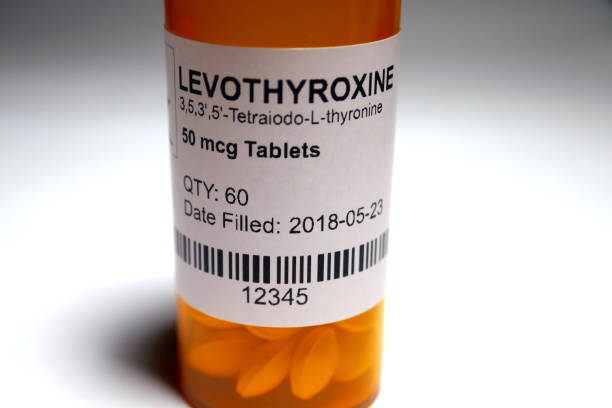
Combination Therapy for Hypothyroidism(T4/T3)
Combination therapy for hypothyroidism is being recognized as the most promising alternative.
Why add T3?
- Levothyroxine (T4) must be converted to T3, the active hormone.
- Some patients have genetic mutations in the deiodinase enzymes that reduce the conversion of T4 to T3.
- Adding T3 can restore balance and improve symptom relief.
Key evidence:
A 2021 meta analysis of 14 randomized trials (PubMed) found that patients on T4/T3 combination therapy reported greater satisfaction and improved mood than those on T4 alone, although the biochemical differences were small.
Extended release T3 treatment in hypothyroidism
Extended release T3 treatment for hypothyroidism is designed to mimic the release of natural thyroid hormone.
More benefits than standard T3 (liothyronine)
- Provides a consistent release of hormone throughout the day.
- Reduces peaks and troughs that can cause palpitations or anxiety.
- Early trials suggest better tolerability and greater physiological change.
Unique insight: Traditional levothyroxine peaks within 2-4 hours, often making patients uncomfortable. In contrast, extended release T3 is released gradually, making it a major step in patient comfort.
Personalized and genetically based thyroid therapy
We are entering the era of precision medicine in hypothyroidism.
- Genetic polymorphisms (DIO2 gene) affect T4 to T3 conversion.
- Pharmacogenomic testing may one day guide therapy selection (e.g., deciding who benefits most from combination T4/T3 therapy).
- Future trials may lead to individualized dosing regimens rather than one size fits all treatments.
Novel Regenerative and Biological Therapies
Although still experimental, scientists are studying ways to repair or replace damaged thyroid tissue.
Areas of Research
- Stem Cell Therapy to regenerate thyroid follicular cells
- Bioengineered thyroid tissue implants
- Gene Therapy to Restore Thyroid Hormone Production
While years away from clinical use, these innovations could eventually offer a therapeutic option, especially for patients who have had their thyroid surgically removed.
Digital Health and Smart Monitoring for Hypothyroidism
- Modern management now includes digital apps, wearables, and AI powered algorithms.
- Smartphone apps track symptoms, weight, and medication adherence.
- Continuous monitoring of heart rate and temperature can help detect subtle changes.
- AI based models predict ideal doses based on real-time data.
This approach allows for dynamic adjustments of therapy rather than waiting months between lab tests.
Supportive Lifestyle and Nutritional Strategies
While not a substitute for medication, lifestyle changes are essential in the management of hypothyroidism. Small, consistent adjustments to diet, activity, and daily habits can complement medical treatment and help patients feel more in control of their health.
Balanced Diet:
Including thyroid friendly foods like lean protein, whole grains, and vegetables can support metabolic health. In particular, nutrients like iodine, selenium, and zinc play important roles in thyroid hormone production and conversion. (You can link to my “Thyroid-Friendly Foods for Hypothyroidism” and “Iodine Rich Foods” blogs here for context.)
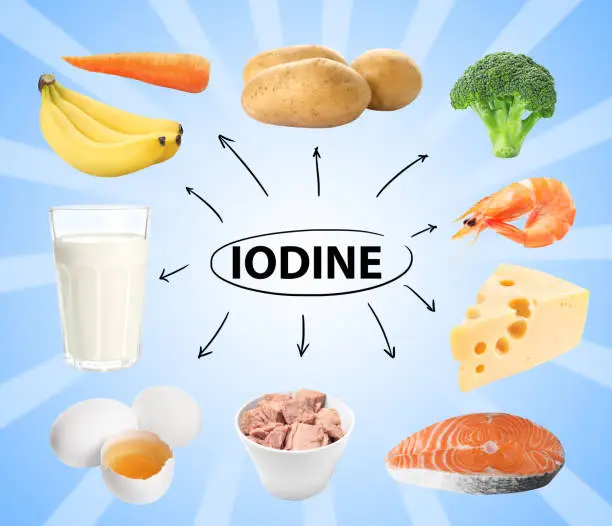
Micronutrient Support:
Many of my patients are surprised to learn how deficiencies in key vitamins and minerals like vitamin D, B12, and iron can worsen fatigue and slow metabolism. Correcting these through diet or supplements, when indicated, often improves overall health. (Read in detail About:
“Best Vitamins and Minerals for Hypothyroidism.”)
Exercise and Movement:
Regular, moderate exercise (such as brisk walking or yoga) can improve mood, increase energy, and maintain a healthy weight. While strenuous exercise can be tiring in hypothyroidism, gentle but consistent activity is beneficial.
Medication Awareness:
Some over the counter and prescription medications can interfere with thyroid function or hormone absorption. It is important for patients to review all medications with their doctor. (Read in Detail About: “Medications That Affect Thyroid Function” here.)
Regular Monitoring:
Even when symptoms improve, thyroid levels can fluctuate. Learning how to maintain a normal TSH through regular follow ups and lab checks prevents relapse or overtreatment. (Link to “How to Maintain Normal TSH.”)
Doctor’s Tip:
I often remind patients that medication is just one piece of the puzzle. Nutrition, stress management, and consistent follow-up can make or break thyroid stability. Think of it like maintaining a garden you need the right soil (nutrition), regular watering (medication), and proper care (lifestyle habits) for it to thrive.
Key takeaways from the latest developments
- Combination T4/T3 therapy may help patients who do not respond to levothyroxine alone.
- Extended release T3 offers smoother control with fewer side effects.
- Precision medicine will personalize thyroid care in the future.
- Regenerative medicine holds long-term promise for a true cure.
- Digital health tools are already improving monitoring and practice.
References:
Mayo Clinic – Hypothyroidism Review
PubMed – Combined T4/T3 Therapy Meta-Analysis (2021)
Conclusion and CTA
The latest treatment for hypothyroidism is moving beyond “levothyroxine alone” to an exciting era of combination therapies, extended release formulations, and personalized medicine. As a physician, I find this evolution incredibly hopeful for patients who continue to struggle despite conventional care.
What do you think?
Have you or a loved one experienced challenges with standard hypothyroidism treatments?
Would you consider trying a combination therapy for hypothyroidism if your doctor recommended it?
Share your experience in the comments, or get in touch with questions. If you’re struggling with persistent thyroid symptoms, don’t hesitate to consult your healthcare provider to see if new options might be right for you.
FAQS
Absolutely. Personalized medicine is at the forefront of the latest treatment strategies for hypothyroidism. Instead of relying solely on TSH levels, doctors are increasingly considering:
- Genetic Testing: Research into genetic variations, such as polymorphisms in the DIO2 gene (which helps convert to ), may help identify patients who are more likely to benefit from T3/T4 combination therapy.
- Symptom-Based Adjustments: A modern approach involves listening closely to the patient’s persistent symptoms (like brain fog or fatigue) even when blood tests are “normal,” and carefully adjusting medication type or dosage.
- Absorption Factors: Doctors now pay more attention to factors that affect levothyroxine absorption, such as celiac disease, gastritis, or interactions with other medications (like calcium or iron supplements) and foods (like coffee), and choosing formulations like liquid gels to improve uptake.
This patient-focused strategy ensures that treatment is tailored to the individual’s unique physiology and well-being.
Yes, while levothyroxine is the standard, the latest approach to hypothyroidism treatment emphasizes personalization for patients who don’t feel optimal on alone. Alternative and combination therapies include:
- T3/T4 Combination Therapy: This involves adding a synthetic hormone, liothyronine (Cytomel), to the standard levothyroxine regimen. This approach is for a subset of patients who continue to experience hypothyroid symptoms despite having normal TSH and levels. The theory is that some individuals may have difficulty converting to the active hormone. This is a specialized treatment that should only be managed by an endocrinologist.
- Natural Desiccated Thyroid (NDT): Brands like Armour Thyroid and NP Thyroid are derived from dried pig thyroid glands. NDT contains both and . While it has been used for a long time, its use is considered a more modern, alternative approach for patients who prefer a “natural” option or respond better to the fixed ratio of and it provides. However, its hormone concentrations can be less consistent than synthetic options.
The latest trend is not about a single new drug but about a more nuanced and patient-centric approach beyond a one-size-fits-all levothyroxine prescription.
The future of hypothyroidism treatment is focused on overcoming the limitations of current therapies. Researchers are exploring several exciting possibilities that represent the truly latest treatment of hypothyroidism on the horizon:
- Slow-Release T3 Formulations: A major challenge with current therapy is its short half-life, which can cause peaks and troughs in hormone levels. New slow-release preparations are in development to provide a more stable, consistent level of active thyroid hormone throughout the day.
- Thyromimetics: These are compounds that selectively activate thyroid hormone receptors in specific tissues (like the liver) without affecting others (like the heart). This could potentially offer benefits like lowering cholesterol without causing cardiac side effects.
- Stem Cell Therapy and Thyroid Regeneration: While still in the very early, experimental stages, the ultimate goal is to use stem cells to regenerate a patient’s damaged thyroid gland or create functional thyroid follicles in a lab for transplantation. This could potentially offer a cure rather than just a lifelong treatment.
These emerging therapies are currently in research and clinical trials and are not yet available for general use.
The gold standard and primary treatment for hypothyroidism remains hormone replacement therapy with levothyroxine (Synthroid, Levoxyl, Tirosint). Levothyroxine is a synthetic form of the thyroid hormone thyroxine (). It is considered the latest and most reliable first-line treatment because:
- Effectiveness: It effectively restores normal thyroid hormone levels in most people, alleviating symptoms like fatigue, weight gain, and depression.
- Stability: Your body naturally converts the from levothyroxine into the active hormone, triiodothyronine (), on an as-needed basis. This mimics the body’s natural process and provides a steady, consistent supply of hormone.
- Safety: It has a well-established safety profile with over 50 years of clinical use and is easy to dose once daily.
While levothyroxine itself isn’t new, the latest advancements involve improved formulations (like liquid gels and new tablet forms for better absorption) and a more personalized approach to dosing.
🧑⚕️ About the Author
Dr. Asif, MBBS, MHPE
Dr. Asif is a medical doctor and medical educationist with expertise in simplifying complex health topics for the general public. With a passion for preventive health and evidence based writing, he helps readers make informed choices about their well-being.
✅ Medically Reviewed By
Dr. T.G., MBBS, FCPS (Endocrinology)
Associate Professor, Endocrinology Ward, HMC Hospital
With over 20 years of clinical experience in managing endocrine disorders, Dr. T.G. ensures that the content is accurate, reliable, and clinically relevant.
⚠️ Medical Disclaimer
This blog is intended for educational and informational purposes only. It is not a substitute for professional medical advice, diagnosis, or treatment. Always seek the advice of your physician or another qualified healthcare provider with any questions you may have regarding a medical condition. Never disregard or delay medical advice based on content you read here.
Leave a Reply