

Introduction
Side effects of Sigmoidoscopy are usually mild and temporary, but as with any medical test, complications can occur. Whether you’re having a flexible sigmoidoscopy or a rigid sigmoidoscopy, understanding the possible side effects can help reduce anxiety and prepare you for recovery.
The first concern that often comes to mind when patients hear the word “sigmoidoscopy” is: “Is it safe? What are the side effects?” As a doctor, I’ve explained the procedure to patients countless times, and I know how important it is to clearly address both the benefits and potential risks.
This article covers everything you need to know from common side effects of sigmoidoscopy to rare complications, with real-world examples, evidence from reliable medical research, and practical advice.
What are the side effects of sigmoidoscopy?
Side effects of sigmoidoscopy are usually mild and temporary. Common side effects include bloating, pain, or mild rectal bleeding, especially if a biopsy is taken. Flexible sigmoidoscopy causes fewer side effects than rigid sigmoidoscopy because it is less invasive. Serious complications such as perforation of the bowel or excessive bleeding are rare (less than 1 in 10,000 cases, according to PubMed). Most patients recover within 24 hours without lasting effects. Proper preparation, skilled technique, and clear aftercare instructions help minimize these risks. Always consult your doctor if symptoms worsen or persist after the procedure.
Understanding Sigmoidoscopy and Why It’s Done.
Sigmoidoscopy is a medical procedure used to examine the lower part of the colon and rectum.
- Flexible sigmoidoscopy uses a thin, bendable tube with a light and camera.
- Rigid sigmoidoscopy uses a straight, flexible tube, and is not commonly performed today.
This procedure is necessary for:
- Screening for colorectal cancer or polyps.
- Diagnosis of rectal bleeding, persistent diarrhea, or unexplained abdominal pain.
- Treatment (removal of small polyps, taking tissue samples).
Read in detail about: Types of Sigmoidoscopy: Flexible vs. Rigid Explained
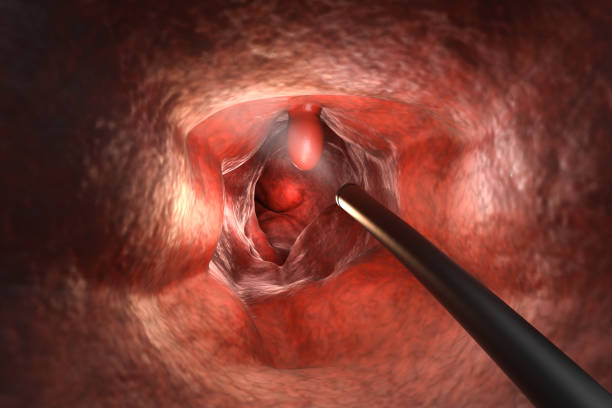
Common side effects of Sigmoidoscopy
The most common side effects of sigmoidoscopy include:
Bloating and gas
During the procedure, air or carbon dioxide is injected into the colon to help it expand better. This may cause temporary bloating, pain, or gas after the procedure.
My practice tip: Moving around and drinking warm fluids often help relieve this discomfort.
Read in detail about: [Foods that relieve gas and bloating]
Mild rectal bleeding
There may be a small amount of blood in the stool, especially if a biopsy was taken or a polyp was removed. This usually resolves within a day.
If the bleeding is heavy, persistent, or accompanied by dizziness, it requires immediate medical attention.
Pain or discomfort in the abdomen
Many patients describe this feeling as menstrual cramps or gas pain. It is usually self-limiting and improves within hours.
Less common side effects of sigmoidoscopy
Reaction to sedation
Flexible sigmoidoscopy often does not require sedation, but if sedation is given, the patient may feel drowsy or light headed for several hours.
Risk of infection
Although rare, infection is very likely, especially if the equipment has not been properly sterilized. Modern hospital protocols make this risk extremely low.
Psychological distress
Some patients experience embarrassment or anxiety before and after the procedure. As a doctor, I remind patients that this is a routine, life-saving test that medical teams perform every day with respect and professionalism.

Rare but serious side effects of sigmoidoscopy
Bowel perforation
- This is the most serious risk, occurring in less than 1 in 10,000 procedures (PubMed).
- Symptoms: Severe abdominal pain, fever, chills, rapid heartbeat.
- Treatment: Usually requires immediate surgery.
Severe bleeding
- Major bleeding is very rare.
- According to the Mayo Clinic, it occurs in less than 0.1 percent of patients.
- Often managed with endoscopic treatment, but sometimes surgery is necessary.

Cardiovascular stress in frail patients
Occasionally, patients with heart conditions may experience changes in blood pressure or heart rhythm due to anxiety, sedation, or bowel preparation. This is rare but important to note in elderly patients.
Flexible sigmoidoscopy vs. rigid sigmoidoscopy side effects
Side effects of Flexible sigmoidoscopy
The side effects of flexible sigmoidoscopy are very mild and include:
- Mild abdominal discomfort or pain usually temporary and resolves quickly after the procedure.
- Bloating or gas due to a small amount of air being inflated to expand the colon for better visibility.
- Minimal bleeding may occur if a biopsy is taken or a small polyp is removed; usually self-limiting.
- A feeling of urgency to pass stool common during and immediately after the procedure.
Safety compared to rigid sigmoidoscopy
- Flexible sigmoidoscopy is considered safer because the flexible tube conforms to the natural curves of the colon, reducing trauma.
- Less discomfort than rigid sigmoidoscopy, which uses a straight, flexible tube.
- With a low risk of complications, it is a preferred choice in modern clinical practice.
- Better visualization of the colon compared to rigid sigmoidoscopy improves diagnostic accuracy.
Side Effects of Rigid Sigmoidoscopy
The side effects of rigid sigmoidoscopy are more severe and include:
- Increased discomfort and pain, The rigid, flexible tube can cause significant pain in the abdomen or rectum during the procedure.
- Higher risk of mucosal injury, Because the straight tube does not bend along the natural curves of the colon, it can cause abrasions or trauma.
- Higher risk of perforation, Although still uncommon, the risk of bowel perforation is higher than with flexible sigmoidoscopy.
- Bleeding, Can occur, especially if a biopsy is taken or there is irritation of the bowel wall.
- Inadequate visualization, The rigid scope examines only a small portion of the rectum and colon, limiting diagnostic accuracy.
Important notes
Rigid sigmoidoscopy carries higher risks than flexible sigmoidoscopy.
Due to patient discomfort, limited diagnostic value, and high complication rate, it is now rarely performed in modern clinical practice.
How long do the side effects of Sigmoidoscopy last?
Most side effects are short lived:
- Bloating: A few hours.
- Cramping: Usually resolves the same day.
- Light bleeding: Up to 48 hours if a biopsy/polyp is removed.
If symptoms persist longer than expected, it is important to contact your doctor.
Patient Case Example (Storytelling)
I once had a 55 year old patient who was very anxious about having a sigmoidoscopy. After the procedure, she experienced mild pain and noticed a streak of blood in her stool. She was understandably worried, but I assured her that this was to be expected after the biopsy. By the next morning, her symptoms had completely resolved.
Her story reflects what most patients experience mild, temporary side effects that don’t interfere with daily life.
How to minimize sigmoidoscopy side effects.
- Follow bowel preparation instructions carefully.
- Stay hydrated before and after the procedure.
- Avoid heavy meals immediately afterward.
- Walk or move around gently to relieve trapped gas.
- Monitor symptoms and report any severe pain, fever, or heavy bleeding.
Clinical insights are rarely discussed.
One overlooked aspect is psychological recovery. While physical side effects are well documented, many patients underestimate the emotional stress of undergoing a procedure that involves such a private part of the body.
In my experience, patients who receive clear explanations and reassurance beforehand report fewer side effects later. This highlights the mind-body connection anxiety can heighten the perception of pain or discomfort.
When to call the doctor after a sigmoidoscopy.
Seek medical advice if you experience:
- Persistent heavy bleeding.
- Severe or worsening abdominal pain.
- Fever, chills, or dizziness.
- Inability to pass stool or gas for more than 24 hours.
Conclusions and Call to Action
The side effects of a sigmoidoscopy are usually mild, temporary, and outweigh the benefits of early detection of serious conditions like colon cancer. Although bloating, pain, or light bleeding are common, serious complications are rare.
As a doctor, I encourage you not to delay this important test because of fear. Instead, stay informed, prepare well, and follow your doctor’s aftercare instructions.
Have you had a sigmoidoscopy? Share your experience or questions in the comments below. If you’re scheduled for the procedure and feeling anxious, talk openly with your doctor reassurance and knowledge can make the process go more smoothly.
References:
Mayo Clinic – Flexible Sigmoidoscopy
https://www.mayoclinic.org/tests-procedures/flexible-sigmoidoscopy/about/pac-20394189
(Great for general procedure details and patient education.)PubMed – Complications of Endoscopic Procedures
https://pubmed.ncbi.nlm.nih.gov/
FAQS
If no sedation was used, you can usually drive immediately after the procedure. If sedation was given, you should not drive for at least 12–24 hours, as drowsiness may affect your reflexes and judgment.
Flexible sigmoidoscopy usually causes fewer side effects than colonoscopy because it examines a smaller portion of the colon and often does not require sedation. Colonoscopy may cause more discomfort, longer recovery time, and a slightly higher risk of complications.
Walking, drinking warm fluids, and avoiding heavy meals can ease gas and bloating. Over-the-counter pain relievers are rarely needed. If pain persists, consult your doctor.
Most patients describe the procedure as uncomfortable rather than painful. Flexible sigmoidoscopy typically causes mild cramping or pressure. Rigid sigmoidoscopy can be more uncomfortable, but it is less commonly used today.
Yes, a small amount of bleeding (especially after biopsy or polyp removal) is normal and should resolve within 1–2 days. However, heavy bleeding or blood clots require immediate medical attention.
🧑⚕️ About the Author
Dr. Asif, MBBS, MHPE
Dr. Asif is a licensed medical doctor and qualified medical educationist with a Master’s in Health Professions Education (MHPE) and 18 years of clinical experience. He specializes in gut health and mental wellness. Through his blogs, Dr. Asif shares evidence-based insights to empower readers with practical, trustworthy health information for a better, healthier life.
⚠️ Medical Disclaimer
This blog is intended for educational and informational purposes only. It is not a substitute for professional medical advice, diagnosis, or treatment. Always seek the advice of your physician or another qualified healthcare provider with any questions you may have regarding a medical condition. Never disregard or delay medical advice based on content you read here
Leave a Reply