

Introduction
Types of sigmoidoscopy are essential tools for early detection and maintaining a healthy colon. These procedures allow doctors to examine the rectum and lower colon to identify early signs of polyps, inflammation, or colorectal cancer. While a full colonoscopy examines the entire colon, a sigmoidoscopy is less invasive, faster, and requires minimal sedation, making it a preferred option for many patients. In this blog, we will explore the different types of sigmoidoscopy, including flexible and rigid sigmoidoscopy, their benefits, preparation, risks, and real life clinical insights, to help you make informed decisions about your colon health.
What are the types of sigmoidoscopy and why are they important?
Types of sigmoidoscopy are procedures used to examine the rectum and lower colon to detect early signs of bowel problems, including polyps, inflammation, or cancer. The two main methods are flexible sigmoidoscopy, which uses a bendable tube with a camera for a comfortable and thorough examination, and rigid sigmoidoscopy, which uses a straight tube for a quick examination. These procedures help with early detection, guide biopsies when needed, and allow for timely intervention, which can significantly improve colon health outcomes. Regular screening sigmoidoscopy empowers patients to take active control of their digestive health.
1. Overview of Sigmoidoscopy: What You Need to Know
Types of sigmoidoscopy refer to the methods used to examine the rectum and sigmoid colon. Both flexible and rigid sigmoidoscopy provide visualization, but the equipment, patient comfort, and depth of examination vary.
Purpose: Detect polyps, tumors, inflammatory bowel disease, or unexplained bleeding.
Procedure time: Usually 10-20 minutes, less than a full colonoscopy.
Sedation: Often minimal or none, making it suitable for outpatient settings.
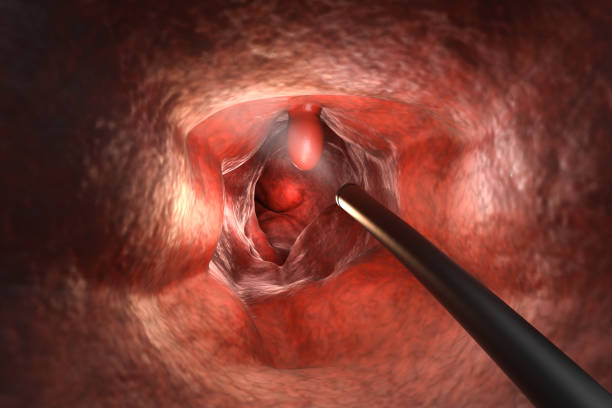
2. Flexible Sigmoidoscopy: Comfort and Comprehensive Detection
Flexible sigmoidoscopy uses a bendable tube with a light and camera to comfortably navigate the curves of the lower colon.(Flexible Sigmoidoscopy — Mayo Clinic)
Advantages:
- Increased reach compared to rigid sigmoidoscopy.
- Greater patient comfort due to flexibility.
- Allows for tissue sample collection (biopsy).
Clinical Insight: In my practice, flexible sigmoidoscopy is preferred for women who have had prior pelvic surgery, as the bending device reduces discomfort and procedural risks.
Preparation: Similar to colonoscopy, although bowel preparation is usually less extensive.
Read in detail about: Colonoscopy
For comparison with a complete colon exam.

3.Rigid Sigmoidoscopy: Quick and Focused Evaluation
Rigid sigmoidoscopy uses a straight, non flexible tube to examine the rectum and lower sigmoid colon.
Advantages:
- Quick and straightforward for short exams.
- Useful in emergency or severe bleeding situations.
- Allows for direct examination and minor interventions.
Limitations:
- Limited access compared to flexible sigmoidoscopy.
- Can be uncomfortable, especially for patients with anatomical variations.
Clinical Perspective: Although less commonly used today, rigid sigmoidoscopy is valuable for rapid diagnosis in emergency situations or in facilities without flexible scopes.
4. Differences Between Flexible and Rigid Sigmoidoscopy
| Feature | Flexible Sigmoidoscopy | Rigid Sigmoidoscopy |
|---|---|---|
| Instrument | Bendable tube with camera | Straight tube |
| Reach | Up to 60 cm | 20–25 cm |
| Comfort | Higher | Lower |
| Biopsy capability | Yes | Limited |
| Common use | Screening & routine check | Emergency/quick exam |
Clinical Insight: Patients often ask whether rigid or flexible is “better.” In general, flexible sigmoidoscopy is preferred unless a specific short range examination is required.
5. Indications for Sigmoidoscopy: When to Consider Screening
A) Sigmoidoscopy for screening
- Detects early changes in the rectum and sigmoid colon.
- Useful for screening for colon cancer, especially in people over 50 or who have a family history.
- Helps identify polyps before they become cancerous.
B) Sigmoidoscopy for diagnosis
- Evaluates symptoms such as rectal bleeding, chronic diarrhea, unexplained abdominal pain, or changes in bowel habits.
- Identifies causes of anemia due to chronic blood loss.
- Helps differentiate between inflammatory bowel disease (IBD), infection, or cancer.
C) Sigmoidoscopy for treatment
- Enables removal of small polyps (polypectomy).
- Allows biopsy of suspicious lesions.
- Can remove obstructions or strictures in some cases.
Statistical Insight: According to CDC data, flexible sigmoidoscopy can detect up to 70-80% of polyps in the lower colon, significantly reducing the risk of colon cancer when performed regularly (CDC, 2023)
6. Preparation for Sigmoidoscopy: Steps for a Smooth Procedure
Diet: Eliminate fluids 12-24 hours beforehand.
Bowel preparation: Enemas may be sufficient. Complete laxatives are usually not needed.
Clothing and comfort: Wear loose clothing. Sedation may be minimal.
Patient Story: Mrs. A, a 55 year old woman with mild rectal bleeding, underwent flexible sigmoidoscopy after preparation with a mild enema. The procedure lasted 12 minutes, was comfortable, and a small polyp was found that was removed immediately.
7. Risks and Complications: Understanding What to Watch For
Sigmoidoscopy is generally safe. Complications are rare but include:
- Minor rectal bleeding (usually resolves quickly).
- Discomfort or pain.
- Perforation (<0.1% risk, higher in strictures).
Read in details: Risks and complications of colonoscopy compared to sigmoidoscopy
Clinical tip: Gentle technique, proper patient positioning, and experienced clinicians reduce risks.
8. Advantages of sigmoidoscopy over colonoscopy
- Shorter procedure time.
- Minimal sedation required.
- Less extensive bowel preparation.
- Lower cost, making it accessible for routine screening.
Unique Insight: In busy clinics, flexible sigmoidoscopy is often used as a triage tool to decide whether a full colonoscopy is needed. This approach balances patient comfort, early detection, and resource utilization.
9. Limitations of Sigmoidoscopy: What It Can and Cannot Detect
- Examines only the rectum and lower sigmoid colon.
- Misses lesions in the ascending or transverse colon.
- Not suitable for high-risk patients without a complete colonoscopy.
Clinical Tip: Patients with a family history of colon cancer or unexplained anemia should proceed with a full colonoscopy despite a normal sigmoidoscopy.
10. How the Procedure is Performed: Step-by-Step Guide
Step-by-step flexible sigmoidoscopy:
- The patient lies on the left side.
- A lubricated flexible scope is gently inserted.
- Visualization of the rectum and sigmoid colon.
- Biopsy or polyp removal if necessary.
- The scope was removed and the patient was briefly observed.
Stepwise rigid sigmoidoscopy: Similar but with less reach and less flexibility.
11. Post Procedure Care: Ensuring a Safe Recovery
- Mild pain or gas is common.
- Mild bleeding may occur if a biopsy is performed.
- Resume normal diet unless otherwise directed.
Follow up: Results are usually available in 1-2 days.
Case story: Mr. B, a 60 year old, had a flexible sigmoidoscopy for screening. He resumed normal activities immediately and appreciated the quick, minimally invasive procedure.
12. Future Directions and Innovations in Sigmoidoscopy
High definition scopes: Better visualization of small polyps.
Artificial intelligence: Detection of subtle lesions with the help of AI.
Capsule sigmoidoscopy: Non-invasive, camera-based diagnosis (experimental).
Conclusion
Sigmoidoscopy types play an important role in maintaining colon health and early detection of polyps, inflammation, or colorectal cancer. Whether through flexible sigmoidoscopy for a comfortable, thorough examination or rigid sigmoidoscopy for a quick diagnosis, these procedures provide important insights that can guide timely treatment and prevent serious complications. Understanding the differences, preparation steps, benefits, and limitations helps patients make informed choices about their gastrointestinal care.
Regular screening, awareness of symptoms, and active communication with your doctor can significantly improve outcomes. By adopting the right type of sigmoidoscopy for your situation, you are taking an important step toward a healthy colon and long term digestive wellness.
Call to Action:
If you have questions about which type of sigmoidoscopy is right for you or would like to discuss screening options, see your doctor today. Share your experiences or concerns in the comments below to help others take charge of their colon health.
FAQS
Yes, flexible sigmoidoscopy allows biopsy or polyp removal during the procedure. Rigid sigmoidoscopy can sometimes allow small polyp removal but is limited in reach. Removing polyps early prevents progression to colorectal cancer.
A typical sigmoidoscopy lasts 10–20 minutes. Flexible sigmoidoscopy may take slightly longer than rigid due to its greater reach. Minimal sedation is often needed, and patients can usually return home immediately after the procedure. Preparation, including enema or diet restrictions, may add a few hours.
For average-risk adults over 50, flexible sigmoidoscopy is recommended every 5 years. High-risk patients may need more frequent exams. Your doctor may adjust the schedule based on findings, family history, or other risk factors.
Most patients experience mild discomfort or cramping, especially with rigid sigmoidoscopy. Flexible scopes reduce discomfort due to their bendable design. Proper lubrication, slow insertion, and patient relaxation techniques significantly improve comfort. Most procedures do not require heavy sedation.
The two main types are flexible sigmoidoscopy and rigid sigmoidoscopy. Flexible uses a bendable tube for comfortable examination of the rectum and lower colon. Rigid uses a straight tube for quick, short-range inspection. Both allow doctors to detect polyps, inflammation, or early cancer signs, but flexible sigmoidoscopy is more commonly preferred due to greater reach and patient comfort.
Risks are rare but can include minor rectal bleeding, mild cramping, or very rarely, colon perforation (<0.1%). Flexible sigmoidoscopy has lower risk than rigid. Experienced clinicians following proper technique minimize complications.
🧑⚕️ About the Author
Dr. Asif, MBBS, MHPE
Dr. Asif is a licensed medical doctor and qualified medical educationist with a Master’s in Health Professions Education (MHPE) and 18 years of clinical experience. He specializes in gut health and mental wellness. Through his blogs, Dr. Asif shares evidence based insights to empower readers with practical, trustworthy health information for a better, healthier life.
⚠️ Medical Disclaimer
This blog is intended for educational and informational purposes only. It is not a substitute for professional medical advice, diagnosis, or treatment. Always seek the advice of your physician or another qualified healthcare provider with any questions you may have regarding a medical condition. Never disregard or delay medical advice based on content you read here.
Leave a Reply