

Introduction
Best vitamins and minerals for hypothyroidism can make a huge difference in how a patient feels. While medications like levothyroxine remain the mainstay of treatment, many people don’t realize that nutritional deficiencies can worsen thyroid symptoms like fatigue, hair loss, and weight gain. As a practicing physician and medical educator, I have often seen patients improve when their diet and micronutrient intake improve along with their thyroid medications.
In this article, we will explore the most important, and best vitamins and minerals for hypothyroidism, review the scientific evidence for them, and discuss whether supplements can help.
What are the best vitamins and minerals for hypothyroidism?
The best vitamins and minerals for hypothyroidism are nutrients that directly support thyroid hormone production, metabolism, and overall gland health. Key examples include iodine, selenium, zinc, vitamin D, vitamin B12, and iron. These nutrients help the thyroid gland produce hormones (T3 and T4), convert inactive thyroid hormone to its active form, and support energy metabolism. A deficiency in these vitamins or minerals can worsen symptoms of hypothyroidism, such as fatigue, dry skin, thinning hair, and depression. Getting them through a balanced diet or supplements under medical guidance can improve thyroid health and quality of life.
Why Vitamins and Minerals Are Important in Hypothyroidism
Hypothyroidism affects approximately 5% of the population worldwide (WHO, 2023). In my clinical experience, many patients mistakenly believe that medication alone is enough. However, thyroid hormone production and metabolism are highly dependent on micronutrients. When the body is deficient in key nutrients such as iodine, selenium, or iron, thyroid medications may not work as well, and symptoms may persist.
Best Vitamins and Minerals for Hypothyroidism
1. Iodine and thyroid hormones
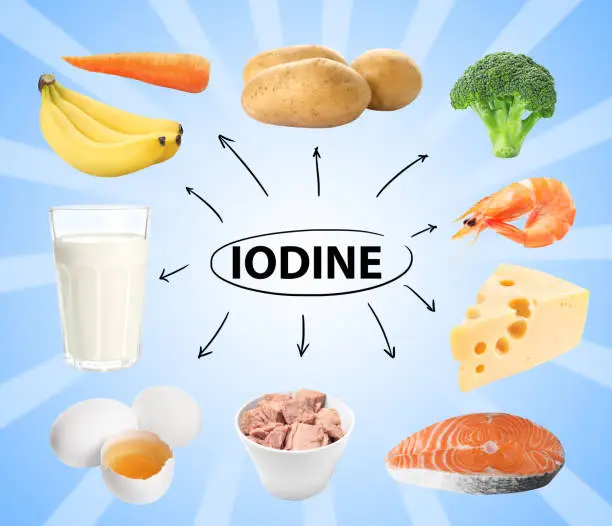
Iodine and thyroid hormones are totally interlinked as Iodine is the building block of the thyroid hormones T3 (triiodothyronine) and T4 (thyroxine). Without iodine, thyroid hormone cannot be produced at all.
- Recommended Daily Allowance (RDA): 150 mcg/day for adults.
- Best food sources: iodized salt, seaweed, dairy, eggs, and fish.
- Deficiency risks: Goiter, worsening hypothyroidism, growth retardation in children.
Medical Insight: In Pakistan and other iodine deficient regions, I often see patients with large goiters due to inadequate iodine intake. Correcting iodine often dramatically reverses symptoms.
Read in details about: Iodine-Rich Foods
Caution: Too much iodine (from supplements or excessive seaweed) can actually worsen thyroid dysfunction, especially in Hashimoto’s thyroiditis. Always consult your doctor.
2. Selenium and Thyroid hormones
Selenium and thyroid hormones are very much related as selenium is important for converting inactive T4 to active T3 and protecting the thyroid from oxidative stress.
- RDA: 55 mcg per day.
- Best food sources: Brazil nuts, tuna, sardines, sunflower seeds, eggs.
- Research Evidence: A 2016 PubMed study found that selenium supplementation improved thyroid antibodies and symptoms in Hashimoto’s patients.
Unique clinical insight: I have seen patients with persistent fatigue despite improvement in normal TSH after correcting selenium deficiency..
3. Zinc – Supports hormone production and immunity.
Zinc helps synthesize thyroid hormones and supports the immune system. Deficiency is common in hypothyroid patients.
- RDA: 8-11 mg per day.
- Food sources: Oysters, pumpkin seeds, beef, chickpeas.
- Deficiency symptoms: Hair loss, delayed wound healing, weakened immune system.
Clinical case example: A young woman on levothyroxine with persistent hair loss who improved significantly after correcting zinc deficiency.
4. Vitamin D – the sunshine vitamin
Vitamin D deficiency is extremely common and worsens fatigue, depression, and immune imbalances in hypothyroidism.
- RDA: 600–800 IU/day (higher doses may be needed if deficient).
- Sources: Sunlight, fortified milk, salmon, supplements.
- Research evidence: A 2018 study (Mayo Clinic Proceedings) showed that vitamin D deficiency is more common in hypothyroid patients than in healthy individuals.
Unique perspective: I often check vitamin D in all hypothyroid patients because deficiency is almost the rule rather than the exception.

5. Iron – Oxygen Carrier and Hormone Helper
Iron is essential for thyroid peroxidase (TPO), an enzyme that helps make thyroid hormones.
- RDA: 18 mg per day for women, 8 mg per day for men.
- Food sources: Red meat, spinach, lentils, fortified cereals.
Medical insight: Women with hypothyroidism and heavy periods often have iron deficiency anemia, which worsens fatigue and weakness. Correcting iron can be life changing.
6. Vitamin B12 – Energy and Nerve Health
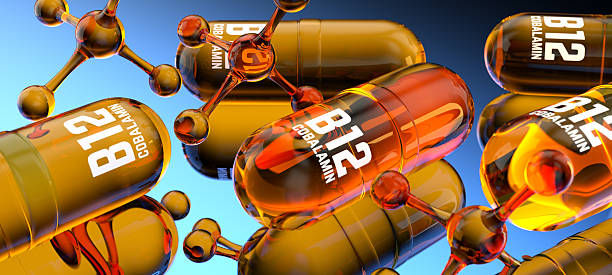
Vitamin B12 deficiency is common in hypothyroidism and can cause fatigue, lethargy, and memory problems.
- RDA: 2.4 mcg per day.
- Food sources: Meat, eggs, milk, fortified cereals.
Clinical Perspective: I often check B12 in hypothyroid patients with tingling hands/feet. Many improve after supplementation.
7. Magnesium – The Silent Advocate
Magnesium helps produce thyroid hormones and improves sleep and muscle health.
Sources: Leafy greens, nuts, whole grains.
Unique Insight: Many constipated hypothyroid patients benefit from magnesium supplementation.
Other Helpful and best Vitamins and Minerals for Hypothyroidism (Often Overlooked but Important)
While iodine, selenium, and zinc get the most attention for thyroid health, several other vitamins and minerals though less talked about still play a valuable role in supporting thyroid function.
Vitamin A – Improves thyroid hormone sensitivity.
Vitamin A helps thyroid hormones work effectively within the body by binding to cell receptors. Even when thyroid hormone levels are normal, low levels of vitamin A can make the body less responsive, leading to fatigue or impaired metabolism.
Food sources: Liver, eggs, dairy products, and orange/yellow vegetables like carrots, pumpkin, and sweet potatoes.
Vitamin C – Reduces oxidative stress and supports adrenal function.
Hypothyroidism increases oxidative stress in the body, which can worsen inflammation. Vitamin C acts as a powerful antioxidant, protecting thyroid tissue and also supporting the adrenal glands, which work together with the thyroid to regulate energy.
Food sources: Citrus fruits, kiwi, bell peppers, broccoli, and strawberries.
Vitamin E – Protects thyroid tissue from free radical damage.
Vitamin E helps protect thyroid cells from oxidative damage and may improve hormone balance. Deficiency has been linked to worsening thyroid inflammation.
Food sources: Almonds, sunflower seeds, spinach, and vegetable oils (such as sunflower and olive oil).
B-complex (beyond B12) – especially B6 for energy metabolism
B vitamins are essential for energy production, brain function, and red blood cell formation – all areas that can be affected in hypothyroidism. Vitamin B6, in particular, helps enzymes involved in metabolism and neurotransmitter regulation, reducing fatigue and brain fog.
Food sources: Whole grains, poultry, bananas, chickpeas, and fortified cereals.
Best Supplements for Hypothyroidism: When Diet Isn’t Enough.
While food should always be the primary source, some patients need supplements.
- Best supplements for hypothyroidism include selenium, zinc, vitamin D, and B12.
- Not everyone needs all supplements it’s wise to have your levels tested before taking a supplement.
- Excessive intake can be harmful (especially iodine and selenium).
Read in detail about: Thyroid-friendly diet for hypothyroidism
Lifestyle and absorption tips
- Take levothyroxine on an empty stomach.
- Avoid taking calcium, iron, or multivitamins within 4 hours of taking thyroid medication.
- Maintain a balanced diet that includes whole foods.
Statistics and global data
- According to the WHO, iodine deficiency affects approximately 2 billion people worldwide.
- A PubMed review (2022) found that more than 60% of hypothyroid patients are vitamin D deficient.
World Health Organization – Iodine Deficiency
Mayo Clinic – Hypothyroidism Overview
Conclusion and Call to Action
The best vitamins and minerals for hypothyroidism are essential for thyroid function and overall health. While medications are essential, nutrition and supplementation fill the gaps that medications cannot.
From iodine and selenium to vitamins D and B12, each nutrient plays a unique role in energy, metabolism, and hormone regulation. In my clinical practice, I have seen patients feel significantly better after addressing these deficiencies.
If you or a loved one is living with hypothyroidism, consider asking your doctor about testing for these vitamins and minerals.
Questions about best supplements for hypothyroidism, diet, or thyroid health? Leave your questions in the comments below or contact your healthcare provider for personalized advice.
Read A complete detail article about: causes,symptoms,diagnosis,treatment and prevention of hypothyroidism Here
FAQS
Yes, but choose carefully. Many multivitamins contain calcium or iron, which can interfere with levothyroxine absorption if taken together. Always separate them by at least 4 hours and consult your doctor before starting.
No, supplements cannot cure hypothyroidism. Levothyroxine remains the main treatment. However, supplements can support overall thyroid health and reduce persistent symptoms. For example, vitamin D and selenium can improve fatigue and immunity, but they work best alongside prescribed medication.
Vitamin D deficiency is very common in hypothyroid patients and worsens fatigue, depression, and bone health. Supplementing vitamin D can improve energy and immunity. It is advisable to get your levels checked and supplement as needed.
Not always. While iodine is crucial for thyroid hormone production, excess intake can worsen autoimmune thyroid conditions like Hashimoto’s. Most people meet iodine needs through iodized salt and diet. Supplement only under a doctor’s supervision.
The best vitamins and minerals for hypothyroidism include iodine, selenium, zinc, vitamin D, iron, vitamin B12, and magnesium. These nutrients directly support thyroid hormone production, metabolism, and energy levels. A deficiency can worsen fatigue, hair loss, or weight gain, so getting them from diet or supplements under medical advice is essential.
🧑⚕️ About the Author
Dr. Asif, MBBS, MHPE
Dr. Asif is a medical doctor and medical educationist with expertise in simplifying complex health topics for the general public. With a passion for preventive health and evidence-based writing, he helps readers make informed choices about their well being.
✅ Medically Reviewed By
Dr. T.G., MBBS, FCPS (Endocrinology)
Associate Professor, Endocrinology Ward, HMC Hospital
With over 20 years of clinical experience in managing endocrine disorders, Dr. T.G. ensures that the content is accurate, reliable, and clinically relevant.
⚠️ Medical Disclaimer
This blog is intended for educational and informational purposes only. It is not a substitute for professional medical advice, diagnosis, or treatment. Always seek the advice of your physician or another qualified healthcare provider with any questions you may have regarding a medical condition. Never disregard or delay medical advice based on content you read here.
Leave a Reply