

1. Introduction
Colonoscopy is one of the most important medical procedures for maintaining digestive and overall health. It allows doctors to directly view the inside of the colon and rectum, making it the gold standard for detecting colon cancer, polyps, ulcers, inflammation, and other gastrointestinal (GI) conditions.
Colon cancer is one of the leading causes of cancer deaths worldwide, yet it is one of the most treatable and curable if caught early. Colonoscopy plays a vital role in saving lives by detecting problems in their early, often symptom free stages.
Many patients feel anxious when they hear about colonoscopy, but rest assured the procedure is safe, effective, and far less scary than most people imagine. With proper preparation and an understanding of what to expect, you can approach a colonoscopy with confidence.
2. What is a colonoscopy?
A colonoscopy is a medical procedure that allows doctors to directly examine the inside of your large intestine (colon and rectum). It is performed using a long, flexible tube called a colonoscope, which has a small light and camera at the tip. The scope is carefully inserted through the rectum and guided along the colon, transmitting real-time images to a screen so the doctor can detect any abnormalities.
A colonoscopy is not only diagnostic used to look for problems such as polyps, ulcers, inflammation, or signs of colon cancer but also therapeutic. During the same procedure, the doctor may:
- Remove polyps (small growths that can turn into cancer over time).
- Take tissue biopsies for lab testing.
- Control bleeding inside the colon.
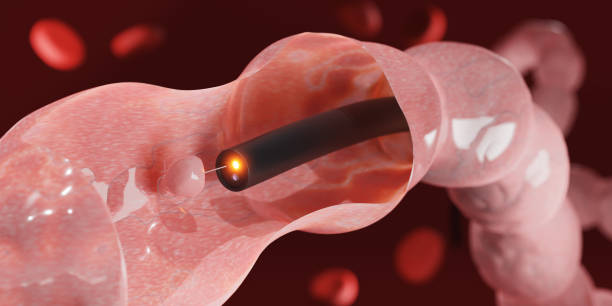
Because it allows for both detection and treatment in a single session, colonoscopy is considered the gold standard test for colorectal cancer screening. It aids in early diagnosis, which can significantly improve treatment outcomes and prevent cancer altogether.
3. Why do doctors recommend colonoscopy and why is it important for your health?
Colonoscopy is more than just a screening test – it also plays a vital role in the prevention, early detection, diagnosis, and even treatment of gastrointestinal diseases. Doctors recommend it because it can save lives when done at the right time. Let’s break down its importance:
Colonoscopy for screening
- Prevention of colon cancer: Colonoscopy helps detect and remove polyps (premature growths) before they turn into cancer.
- Age-based screening: Most guidelines recommend starting at age 45 for average-risk adults, earlier if there is a family history.
- Detecting silent disease: Many conditions, including early colon cancer, develop without obvious symptoms. Colonoscopy catches them before it’s too late.
Colonoscopy for diagnosis
- Non specific symptoms: A colonoscopy is often needed to confirm chronic abdominal pain, rectal bleeding, changes in bowel habits, or unexplained anemia.
- Inflammatory bowel disease (IBD): It helps diagnose and assess the severity of ulcerative colitis and Crohn’s disease.
- Other findings: Can show ulcers, strictures, infections, or vascular malformations that are causing bleeding.
Colonoscopy for treatment
- Polyp removal (polypectomy): Prevents future cancer from developing.
- Bleeding control: Doctors can seal bleeding vessels during the same procedure.
- Stricture dilation: A narrowed section of the colon can be widened.
- Foreign body removal: Rare cases of swallowed objects stuck in the colon can be retrieved.
Doctor’s Medical Insight: Many patients delay a colonoscopy due to fear or embarrassment, but I assure you a short 30-minute procedure can add years to your life by preventing colon cancer.
4. Colonoscopy Preparation: A Step-by-Step Guide
Proper preparation is the most important part of the procedure. A clean colon ensures accurate results.
Diet before colonoscopy
- 3-5 days before: Switch to a low fiber diet. Avoid whole grains, raw vegetables, nuts, and seeds.
- 1 day before: Only clear liquids such as water, apple juice, broth, tea, black coffee (without milk), and electrolyte drinks.
- Avoid: red, orange, or purple liquids (can be mistaken for blood), carbonated sodas, fatty or fried foods, and alcohol.
Bowel preparation instructions
- Your doctor will prescribe a bowel cleansing solution (polyethylene glycol-based or sodium picosulfate).
- Typically, you will drink half of the solution the night before and the rest in the morning.
- Stay close to a toilet because loose stools are common.
Practical tips from clinical experience
- Drink the prepared solution chilled to improve the taste.
- Use petroleum jelly or soothing wipes to prevent anal irritation.
- Avoid dehydration by drinking clear fluids.
- Arrange for someone to take you to the hospital with you because sedation is used.
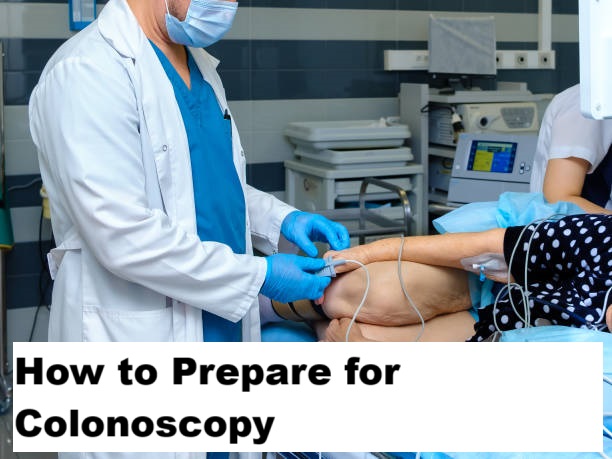
For more details, see my blog: How to Prepare for a Colonoscopy.
5. What happens during a colonoscopy?
Here’s what you can expect:
- Check-in: You’ll sign a consent form and change into a hospital gown.
- IV sedation: A mild sedative (such as midazolam or propofol) will be given. You’ll be drowsy but pain-free.
- Positioning: You’ll lie on your side while the doctor inserts a colonoscope through your rectum.
- Examination: The colonoscope transmits live video images to a monitor, allowing the lining of the colon to be examined.
- Polyp removal/biopsy: Polyps are removed or tissue samples are collected, if needed.
- Duration: The exam usually takes 20-45 minutes.
See my detailed blog: What happens during a colonoscopy.
6. How long does a colonoscopy take from start to finish?
The entire process is longer than just the procedure itself.
- Pre-procedure (30-60 minutes): Includes check-in, IV line placement, and sedation.
- Main exam (20-45 minutes): Includes a colonoscopy and polyp removal if needed.
- Recovery (30-60 minutes): You’ll rest until the sedation wears off.
Total time: Expect 2-3 hours in the hospital, although the procedure itself is less than an hour.
7. Colonoscopy recovery: What to expect.
- Most patients recover: Immediately after: Mild bloating or pain due to wind passed during the exam.
- Sedative effects: Drowsiness may last for a few hours. Do not drive or operate machinery the same day.
- Diet: Resume normal diet once you are fully awake, starting with light meals.
- Activity: Most can return to normal activities the next day.
Warning signs (Call your doctor if you notice):
- Severe abdominal pain.
- Continuous bleeding (small spotting is common, not heavy bleeding).
- Fever or chills.
- Dizziness or fainting.
8. Colonoscopy Risks: What Patients Should Know.
Colonoscopy is very safe, but like any procedure, it has unusual risks.
- Bleeding: Usually minor, can occur after polyp removal.
- Perforation: A very rare risk (<0.1%), where the colon wall is injured.
- Side effects of sedation: Allergic reactions or difficulty breathing, although uncommon.
Why the benefits outweigh the risks: Colonoscopy prevents colon cancer and is considered one of the safest screening tools.
More details: Risks and complications of colonoscopy
9. Dispelling common concerns and myths
Although colonoscopy is one of the most powerful tools for maintaining digestive health, patients often feel anxious or hesitant. Let’s address some common myths and concerns:
“I’ll only need one colonoscopy in my lifetime”
Not true. The need for repeat colonoscopies depends on your individual risk and outcome:
- Regular colonoscopy (average risk): Usually repeated every 10 years.
- Small polyps found: May need to be repeated in 3-5 years.
- High-risk patients (family history of colon cancer, inflammatory bowel disease, or multiple polyps): May need more frequent exams.
Doctors recommend repeat colonoscopies for your safety, not to make you uncomfortable.
2. “Colonoscopy is extremely painful”
The procedure is done under sedation or anesthesia, so most patients feel no pain.
Patients often wake up in surprise, saying, “Is it over already?”
3. “It’s very dangerous”
While no medical procedure is completely risk free, colonoscopy is considered very safe when performed by experienced professionals.
Complications (such as bleeding or perforation) are rare less than 1 in 1,000 procedures.
4. “The preparation is worse than the procedure”
It’s true that bowel preparation can feel painful, but modern preparation solutions are easier to tolerate and come in smaller doses than they used to.
A clean colon ensures a more accurate exam, which means a lower chance of needing a repeat test.
5. “Colonoscopy is only for people with symptoms”
Many people believe they don’t need a colonoscopy unless something is wrong.
In reality, the most effective colonoscopies are preventive, catching problems before symptoms appear.
10. Colonoscopy Screening Guidelines
Average-risk individuals
- Start screening at age 45.
- Repeat every 10 years if no polyps are found.
High-risk individuals
- Family history of colon cancer: Start at age 40 or 10 years earlier than the youngest affected relative.
- Inflammatory bowel disease (IBD): Start earlier and repeat more often.
- Previous polyps: Follow up usually every 3-5 years.
Detailed blog: Colonoscopy Screening Guidelines
11. What happens if you miss a scheduled colonoscopy?
Life can be busy, and sometimes people delay or miss their scheduled colonoscopy. But postponing this important test can have negative effects on your health.
1. Increased risk of delayed diagnosis
A colonoscopy isn’t just a routine test it’s a life saving screening tool. Missing it means that early signs of polyps or colon cancer may not be noticed until they develop. Early detection usually means easier treatment and better outcomes.
2. Missed opportunity for prevention
A colonoscopy does more than diagnose it also prevents cancer by removing precancerous polyps at the right time. If you skip or delay your exam, these growths can continue, increasing your future risk.
3. Higher Risk in High-Risk Groups
If you have a family history of colon cancer, inflammatory bowel disease, or previous polyps, sticking to your schedule is even more important.
Missing follow-up colonoscopies in these cases can lead to rapid progression of the disease.
4. What to do if you miss your colonoscopy
Reschedule as soon as possible don’t wait for symptoms to appear.
Notify your doctor so they can adjust your screening plan based on your personal risk.
If you’re more than a year late from the recommended time, your doctor may recommend additional monitoring.
5. The Bottom Line
Missing an appointment doesn’t mean you’ve failed but catching up early is important. Colonoscopy is a proven way to protect your digestive health, and staying on schedule ensures you’re getting the maximum benefit of prevention and early detection.
12. Alternatives to Colonoscopy
While colonoscopy remains the gold standard, alternatives include:
- CT colonography (“virtual colonoscopy”): Uses CT scans but cannot remove polyps.
- Fecal immunochemical test (FIT): Detects hidden blood in stool but is less accurate.
- Stool DNA test (Cologuard): Detects cancer DNA in stool.
- Capsule endoscopy: Swallowed capsule camera, but not widely available.
Limitations: These tests may require a colonoscopy if abnormal results are found.
13. Final Thoughts and Doctor’s Advice
A colonoscopy is one of the most effective tools for preventing colon cancer and diagnosing digestive conditions early. With proper preparation, the procedure is safe, quick, and highly beneficial.
As a doctor, my advice is simple: Don’t delay your colonoscopy if your doctor recommends it. Every year, thousands of lives are saved because colon cancer is caught early or stopped entirely by removing polyps.
Call to Action:
Take charge of your health today.
If you’re over 45, have a family history, or are experiencing symptoms like unexplained bleeding or changes in your bowel habits, talk to your doctor about scheduling a colonoscopy. It could save your life.
For more trusted health articles and expert insights, explore my other blogs on digestive health at LifeCareCure.
Authoritative References:
FAQS
No, you should not drive after a colonoscopy. Sedatives are used during the procedure, which can impair judgment, reflexes, and coordination for several hours. It’s important to arrange for a family member, friend, or caregiver to drive you home safely. Most people can resume normal activities the next day.
No, you cannot eat solid food the day before a colonoscopy. Most doctors recommend a clear liquid diet including water, broth, tea, clear juices, and gelatin. Solid foods can interfere with bowel cleansing, making it difficult to visualize the colon properly. Follow your doctor’s instructions carefully for the best results.
A colonoscopy usually takes 30 to 45 minutes, but you should plan for about 2 to 3 hours total at the clinic. This includes preparation, sedation, the procedure itself, and recovery time afterward. Most people can go home the same day, but driving is not allowed due to sedation.
For average-risk adults, a colonoscopy is recommended every 10 years starting at age 45. If you have risk factors such as family history, polyps, or previous bowel disease, your doctor may suggest screening every 3–5 years. Always follow your physician’s advice for a schedule tailored to your health.
Most patients do not feel pain during a colonoscopy because sedation or anesthesia is used. You may feel mild bloating or cramping afterward as air is introduced into the colon for better visibility. These symptoms usually resolve within a few hours. Discomfort is minimal compared to the benefits of early detection.
After a colonoscopy, it’s best to start with light, easily digestible foods such as soup, yogurt, scrambled eggs, or soft fruits. Avoid heavy, greasy, or spicy meals immediately after the procedure. Staying hydrated is important to help your body recover and restore balance after the bowel preparation and sedation.
🧑⚕️ About the Author
Dr. Asif, MBBS, MHPE
Dr. Asif is a licensed medical doctor and qualified medical educationist with a Master’s in Health Professions Education (MHPE) and 18 years of clinical experience. He specializes in gut health and mental wellness. Through his blogs, Dr. Asif shares evidence-based insights to empower readers with practical, trustworthy health information for a better, healthier life.
⚠️ Medical Disclaimer
This blog is intended for educational and informational purposes only. It is not a substitute for professional medical advice, diagnosis, or treatment. Always seek the advice of your physician or another qualified healthcare provider with any questions you may have regarding a medical condition. Never disregard or delay medical advice based on content you read here.
Leave a Reply