

Introduction
Colonoscopy Risks and Complications
As a doctor, I often reassure patients that colonoscopy is one of the safest and most effective tests for detecting colon cancer, polyps, and other bowel diseases. Yet, a very common question I hear is: “Doc, what are the risks of a colonoscopy? Can anything go wrong?”
This article is a comprehensive guide to the risks and complications of colonoscopy what’s common, what’s rare, and how to prepare yourself for the safest possible experience. While colonoscopy, like any medical procedure, has enormous life saving benefits by detecting cancer early, it does carry some risks.
Colorectal cancer is the second leading cause of cancer related death in the United States, according to the Centers for Disease Control and Prevention (CDC), but screening with colonoscopy has significantly reduced deaths. This highlights why the benefits often outweigh the risks (CDC, 2024).Read in details about colonoscopy screening guideline 2025
Understanding the risks and complications of colonoscopy
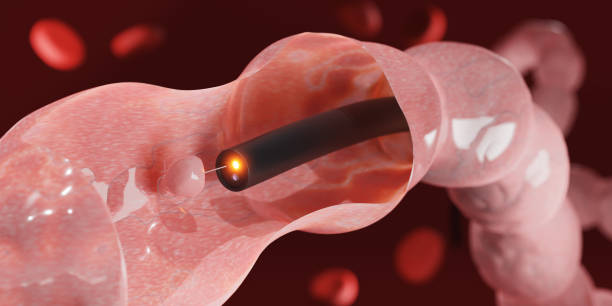
A colonoscopy is performed by inserting a thin, flexible tube with a camera into the rectum to examine the large intestine. The procedure is generally safe, but it’s natural to be concerned about the risks and complications of a colonoscopy.
Why the colonoscopy risks exist.
- It is an invasive test that involves inserting a scope.
- Sedation or anesthesia is often used.
- Biopsies or polyp removal may be performed during the procedure.
Although most patients do not experience any problems, it is important to understand the potential risks so that you can make an informed decision.
Doctor’s insight: I tell my patients: “Think of a colonoscopy like flying. Millions of flights are safely flown each year, but knowing the potential for turbulence helps you feel more prepared.”
Common Colonoscopy Risks and Complications
Some side effects after a colonoscopy are expected and usually resolve on their own.
1 Mild abdominal discomfort
Temporary bloating or pain is common because air is introduced into the colon during the procedure.
Symptoms usually improve within a few hours.
2. Reaction to sedation
Drowsiness, dizziness, or nausea may occur.
Allergic reactions to sedation are rare.
3. Minor bleeding
A small amount of bleeding from the rectum may occur, especially if a biopsy or polyp has been removed.
Usually self limited and stops without treatment.
Doctor’s Note: I reassure my patients that mild pain or spotting is not dangerous. However, persistent or heavy bleeding requires immediate medical attention.
Rare but serious risks and complications of colonoscopy
Although these are rare risks and complication of colonoscopy but some risks require immediate medical attention.
1. Colon perforation
Occurs in about 1 in 1,000–1,500 procedures (PubMed data).
This is a small tear in the wall of the colon.
Surgery may be required to repair it.
2. Severe bleeding
Occurs in less than 1% of cases, usually after removal of large polyps.
Can often be managed on its own during the procedure.
3. Infection
Rare, but possible if bacteria enter the bloodstream.
More likely in patients with weakened immune systems.
4. Cardiopulmonary complications
Due to the sedative (for example, decreased oxygen levels or changes in heart rhythm).
Very uncommon, especially when performed with monitoring in a hospital setting.
5. Postpolypectomy coagulation syndrome
This condition, sometimes called postpolypectomy syndrome, occurs when the heat from the electric current used during polyp removal causes burns or injury to the colon wall without completely perforating it.
Symptoms usually include abdominal pain, fever, and tenderness, which appear within a few hours to a few days of the procedure.
Management is usually conservative: rest, IV fluids, pain control, and antibiotics. Surgery is rarely needed.
Medical Perspective: In my experience, many patients confuse this with appendicitis or severe food poisoning because the pain and fever mimic these conditions. Notifying a doctor early is key to reassurance and safe monitoring.
6. Colonoscopy Preparation Risks
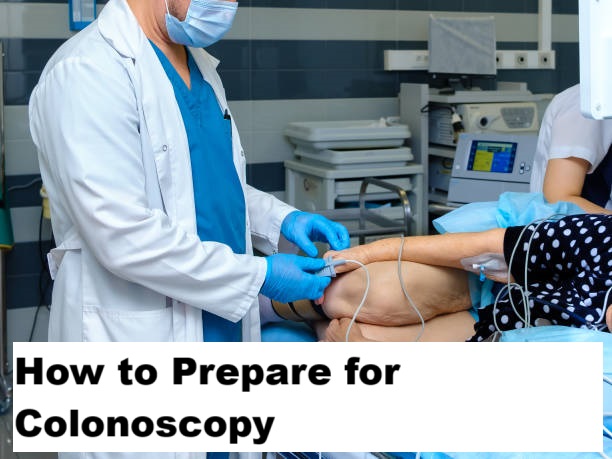
The bowel preparation solution, which is necessary to clean the colon, can cause complications in some individuals.
Common Problems: Dehydration, bloating, nausea, and electrolyte imbalances.
High Risk Patients: Older adults, people with kidney problems, or people with heart failure are at higher risk for fluid and electrolyte changes.
Prevention: Drinking clear liquids along with preparation and following instructions reduce these risks.
Factors that increase the risks and complications of colonoscopy.
Some patients are at higher risk of experiencing complications. These include:
- Older age (risk increases slightly after 70).
- Removal of multiple or large polyps.
- Pre-existing conditions such as heart disease, diabetes, or lung disease.
- Use of blood thinners (e.g., warfarin, aspirin, clopidogrel).
- History of abdominal surgery or adhesions.
Doctor’s perspective: I always review medications, allergies, and past surgical history before a colonoscopy. Adjusting blood thinner doses or using alternative preparation methods can significantly reduce risks.
How doctors reduce the risks and complications of colonoscopy.
Healthcare teams take several precautions to reduce risks:
- Pre procedure screening: Reviewing your medical history and medications.
- Bowel preparation: Ensuring the colon is clean reduces the risk of missed lesions and perforation.
- Monitoring: Vital signs are constantly checked while you are under sedation.
- Modern technology: High definition scopes and improved tools make the procedure safer.
- Experienced specialists: Complication rates are lower with expert gastroenterologists.
Read in Details
What happens during a colonoscopy
How to prepare for a colonoscopy
Recovery and warning signs after a colonoscopy
Most patients return to normal activities within 24 hours. However, it is important to watch for warning signs after the procedure.
Common side effects:
- Mild gas or pain.
- A small amount of blood if a biopsy or polyp was taken.
- Feeling drowsy from the sedation.
Warning signs for urgent care:
- Heavy or persistent rectal bleeding.
- Severe abdominal pain.
- Fever or chills.
- Dizziness, chest pain, or trouble breathing.
Doctor’s advice: I tell my patients, “If you start having cramps, severe pain, or feel very sick, don’t wait call your doctor or go to the ER right away.”
Colonoscopy Safety Statistics
According to a study in the New England Journal of Medicine, major complications occur in less than 0.3 percent of colonoscopies.
The American Cancer Society emphasizes that colonoscopies prevent thousands of deaths annually by detecting early cancer.
The CDC notes that colorectal cancer rates have dropped significantly in countries where colonoscopy screening is routine.
(CDC – Colorectal Cancer Screening Facts)
Weighing the Benefits vs. the Risks and Complications of Colonoscopy
While it is important to understand the potential complications, it is equally important to weigh them against the benefits.
Benefits:
- Detects precancerous polyps before they turn into cancer.
- Provides a direct view of the colon.
- Allows for biopsy or treatment during a single procedure.
Risks:
- Minor discomfort, rare bleeding, or very few perforations.
Unique Medical Insight:
In more than a decade of practice, I have seen colonoscopies save lives by catching early cancers that patients never suspected. Complications are rare, and when they do occur, they are almost always manageable with timely care.
Mayo Clinic – Colonoscopy Risks and Complications
Conclusion
What you should remember about the risks and complications of colonoscopy.
- Colonoscopy is one of the safest and most effective ways to detect and prevent colon cancer.
- Most patients experience only minor, temporary discomfort.
- Serious complications are rare, affecting less than 1 in 1,000 patients.
- Proper preparation, choosing an experienced doctor, and following post-procedure advice greatly reduce the risks.
- If you’re scheduled for a colonoscopy, remind yourself: The potential benefit of cancer prevention usually far outweighs the minimal risks.
Call to Action
Have you had a colonoscopy? Were you concerned about the risks beforehand? Share your experience in the comments below.
If you’re preparing for your first colonoscopy, I also recommend reading:
- What happens during a colonoscopy
- How to prepare for a colonoscopy
And remember: if you have any concerns, always discuss them openly with your doctor you deserve peace of mind when it comes to your health.
FAQS
Long-term complications from a colonoscopy are extremely rare. The vast majority of patients experience no lasting effects from the procedure. The benefits of detecting and preventing colorectal cancer far outweigh the small risks associated with the screening. If you have any concerns about the risks, be sure to discuss them with your doctor beforehand.
To ensure the safest possible procedure, it’s crucial to follow your doctor’s instructions meticulously. This includes adhering to the prescribed dietary restrictions and completing the bowel preparation thoroughly, as a clean colon allows for a clearer view and reduces the procedure time. Inform your doctor of all your medical conditions, allergies, and the medications you are taking, especially blood thinners or diabetes medication, as they may need to be adjusted. Finally, arranging for a responsible adult to drive you home is essential, as the sedatives used will impair your ability to drive safely.
Minor bleeding is a potential complication, especially if a polyp is removed or a biopsy is taken. You might notice a small amount of blood in your stool for a day or two afterward, which is generally not a cause for alarm. However, if you experience heavy or persistent bleeding, you should contact your doctor immediately.
While a colonoscopy is a very safe procedure, there are some minor risks involved. The most common issues are related to the preparation and the sedation. The bowel prep can sometimes cause nausea, bloating, or dehydration. The sedative used during the procedure can, in rare cases, cause a negative reaction, such as breathing problems or an allergic reaction.
After your procedure, it’s important to be aware of the signs of a potential complication. You should seek medical attention if you experience severe abdominal pain, a fever or chills, persistent heavy bleeding from your rectum, dizziness, or vomiting. These symptoms could indicate a more serious issue that requires prompt medical care.
🧑⚕️ About the Author
Dr. Asif, MBBS, MHPE
Dr. Asif is a licensed medical doctor and qualified medical educationist with a Master’s in Health Professions Education (MHPE) and 18 years of clinical experience. He specializes in gut health and mental wellness. Through his blogs, Dr. Asif shares evidence-based insights to empower readers with practical, trustworthy health information for a better, healthier life.
⚠️ Medical Disclaimer
This blog is intended for educational and informational purposes only. It is not a substitute for professional medical advice, diagnosis, or treatment. Always seek the advice of your physician or another qualified healthcare provider with any questions you may have regarding a medical condition. Never disregard or delay medical advice based on content you read here.
Leave a Reply