

Introduction
Anal fissure vs hemorrhoids are one of the most common questions I hear from patients who come to my clinic with anal pain, bleeding, or discomfort. Both conditions affect the anal canal, but they are very different in their causes, symptoms, and treatments. Many people confuse the two, which often leads to a delay in proper diagnosis and relief. As a doctor, I have seen patients suffer for months because they assumed they had hemorrhoids when, in fact, they had a ruptured anus or vice versa. Understanding the difference of anal fissure vs hemorrhoids is the first step toward proper treatment and long term recovery.
Anal Fissure vs Hemorrhoids: An Overview
At first glance, both cause pain and rectal bleeding but the underlying problem is different.
- Anal fissure: A small tear (like a paper cut) in the lining of the anus, often caused by hard stool or constipation.
- Hemorrhoids: Swollen veins in the rectum or anus, similar to varicose veins.
Both can occur at any age, but fissures are more common in younger adults, while hemorrhoids affect older people.
Causes of anal fissure vs hemorrhoids: Why do they occur?
Causes of anal fissure
- Passing large or hard stools
- Chronic constipation or diarrhea
- Straining during bowel movements
- Injury related to childbirth in women
- Less common: Inflammatory bowel disease or infection
Clinical note: In my practice, I typically see anal fissures in young adults with a history of chronic constipation and “hard stool trauma.”
Causes of Hemorrhoids
- Chronic constipation or stress
- Pregnancy (increased abdominal pressure)
- Prolonged sitting on the toilet
- Obesity
- Aging (weakening of the vein walls)
Statistical insight: According to the American Society of Colon and Rectal Surgeons, about 50% of people over the age of 50 experience hemorrhoids at least once in their lives [ASCRS].

Symptoms of Anal Fissure vs Hemorrhoids: Spotting the Differences
Although both fissures and hemorrhoids can cause rectal bleeding, there are important distinctions:
Symptoms of Anal fissure
- Pain Sharp, severe pain during and after a bowel movement Dull aching, itching, or discomfort
- Bleeding Bright red, small streaks on toilet paper Bleeding during/after a bowel movement, sometimes oozing
Symptoms of Hemorrhoids
- Lumps Rare, but chronic fissures can form a small skin tag Swelling/lump near the anus (external hemorrhoids)
- Mild itching is very common.
- Healing Can heal within 1-2 weeks with care Often persistent, can become chronic.
Clinical example: One of my patients, a 28-year-old woman, complained of “knife-like pain” with bowel movements. On examination, it was a fissure, not hemorrhoids.
Diagnosis of Anal Fissure vs Hemorrhoids
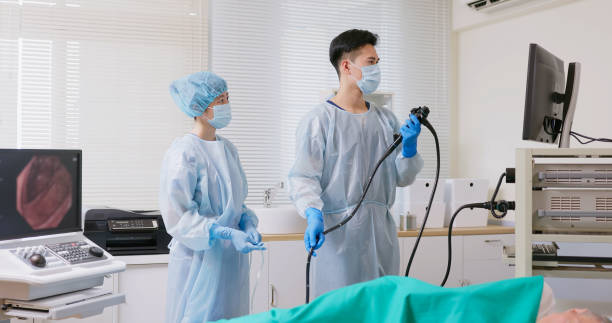
Diagnosis of anal fissure and hemorrhoids relies on a careful medical history, physical examination, and sometimes further investigations to rule out other causes of rectal bleeding or pain.
Diagnosis of Hemorrhoids
- History: Patients usually report bright red bleeding during or after a bowel movement without pain, itching, or straining.
- Examination: External hemorrhoids appear as blue, swollen lumps around the anus.
- Digital rectal exam (DRE): Helps assess for internal hemorrhoids and rule out masses.
- Anoscopy/proctoscopy: Allows direct visualization of internal hemorrhoids.
Further evaluation: In patients over 40 years of age, or with risk factors for colon cancer, a colonoscopy may be recommended to rule out malignancy.
Diagnosis of Anal fissure
- History: Severe sharp pain during defecation, followed by burning pain, often marked by streaks of blood on the stool or toilet paper.
- Examination: A linear tear in the anoderm, usually at the posterior midline. Chronic fissures may show a sentinel skin tag or hypertrophied anal papilla.
- DRE: Usually avoided in acute fissures due to severe pain but may be performed with caution in chronic cases.
- Further evaluation: If the fissure is off-midline, multiple, or nonhealing, investigations are needed to rule out Crohn’s disease, tuberculosis, HIV, or anal carcinoma.
Key medical pearl: While both hemorrhoids and fissures are benign, their symptoms overlap with those of more serious conditions such as colon cancer. Therefore, persistent or unexplained rectal bleeding always warrants further workup.
Treatment of anal fissure vs hemorrhoids
Treatment of Anal Fissure
Conservative Measures
- High fiber diet and hydration
- Stool softeners
- Warm sitz baths (10-15 minutes after bowel movement)
- Topical anesthetics for pain relief
Medical treatment of anal fissure
- Topical nitroglycerin ointment (relaxes sphincter muscles, improves healing)
- Calcium channel blocker ointments (e.g., diltiazem)
Surgical treatment of anal fissure
- Lateral internal sphincterotomy (for chronic fissures that do not heal with medication).
Medical Insight: 70-90% of severe fissures heal with conservative treatment alone (PubMed Study, 2020).
Hemorrhoid Treatment
Lifestyle and Home Remedies
- Fiber supplements, hydration, avoiding stress.
- Warm sitz baths for relaxation.
- Topical creams or suppositories (hydrocortisone, witch hazel).
Medical procedures
- Rubber banding (for internal hemorrhoids).
- Sclerotherapy (injections to shrink hemorrhoids).
- Infrared coagulation.
Surgery
- Hemorrhoidectomy (severe, recurrent cases).
- Stapled hemorrhoidopexy (for advanced hemorrhoids).
Read more in my detailed guide: The Complete Guide to Hemorrhoids.
Prevention: Long-term relief
Whether it’s anal fissures or hemorrhoids, the prevention strategy is quite similar:
- Eat 25-30 grams of fiber daily (whole grains, vegetables, fruits, legumes).
- Stay hydrated (at least 8 glasses of water).
- Avoid straining or sitting on the toilet for long periods of time.
- Exercise regularly.
- Maintain a healthy weight.
- Manage stress (helps regulate bowel movements).
Patients who adopt these habits have a reduced recurrence of both fissures and hemorrhoids.

Unique insight: Why many patients misdiagnose themselves.
In my experience, many patients believe that rectal bleeding = hemorrhoids. This delay in proper diagnosis can make fissures chronic or even miss serious conditions like colon cancer.
That’s why it’s important not to self diagnose but seek medical advice if symptoms don’t improve in 1-2 weeks.
For natural options, see my article: Natural Remedies for Hemorrhoids.
Complications if Left Untreated
Anal fissures: Chronic fissures, severe pain, anal stenosis.
Hemorrhoids: Thrombosis (clotted hemorrhoids), chronic bleeding, anemia.
Both: Reduced quality of life, embarrassment, anxiety.
Risk of Colorectal Carcinoma in Anal Fissure vs Hemorrhoids
One of the most common concerns patients have in the clinic is whether anal fissures or hemorrhoids can increase the risk of colon cancer. The short answer is no neither condition directly causes cancer. However, the overlap in symptoms with colorectal carcinoma makes it essential to make an accurate diagnosis.
Anal fissure:
Caused by trauma to the anal canal (such as passing a hard stool).
- A benign condition that does not progress to cancer.
But persistent fissures, especially in unusual locations (away from the midline), should raise suspicion of underlying conditions such as Crohn’s disease, tuberculosis, HIV, or even anal carcinoma.
Hemorrhoids:
Dilated veins in the anal canal that are caused by straining, constipation, or increased abdominal pressure.
- Hemorrhoids themselves do not develop into cancer.
The problem is that bleeding hemorrhoids can mask early signs of colon cancer. According to the American Cancer Society, colorectal cancer is the third most common cancer worldwide and the leading cause of cancer-related death, making proper diagnosis of any rectal bleeding essential.
Why the confusion occurs.
Both fissures and hemorrhoids can present with rectal bleeding, pain, or discomfort.
Unfortunately, patients often assume that these symptoms are harmless piles or fissures and delay seeking medical attention.
A 2018 study published in the BMJ found that 40% of colon cancer patients initially report “hemorrhoid-like” symptoms before diagnosis.
Clinical Perspective
In my experience, I always advise patients:
If you are over 40 years of age and have rectal bleeding, even if you have a history of fissures or hemorrhoids, a colonoscopy is recommended to rule out colorectal carcinoma.
Persistent or unexplained bleeding should never be ignored.
Takeaway: Neither anal fissures nor hemorrhoids directly increase the risk of colorectal cancer, but their symptoms may mimic or mask early warning signs of cancer. Timely screening and medical consultation are important for safety..[Read this to differentiate symptoms of hemorrhoids and colon cancer]
Consequences and Calls to Action
Anal fissure vs hemorrhoids may look similar, but they are very different problems with different causes, treatments, and outcomes.
If you have rectal pain or bleeding, don’t assume it’s “just hemorrhoids.” Get it checked out early diagnosis makes treatment easier and prevents complications.
Now I’d love to hear from you:
- Have you ever confused anal fissure vs hemorrhoids?
- What home remedies have worked for you?
Share your thoughts in the comments below or consult your doctor for personalized care.
FAQS
For most mild cases, yes. Home treatments are often the first line of defense for both conditions and include:
- High-fiber diet: Eating more fruits, vegetables, and whole grains to soften stools and prevent straining.
- Sitz baths: Soaking the anal area in warm water for 10-15 minutes, a few times a day, to soothe the area and relax muscles.
- Over-the-counter creams: Hemorrhoid creams and ointments can help with itching and discomfort. Anal fissures may benefit from topical pain-relieving creams.
- Drinking plenty of water: Staying hydrated keeps stools soft.
- Avoiding straining: Don’t force a bowel movement.
A doctor can often diagnose both with a simple physical exam. For anal fissures, they may gently separate the buttocks to see the tear. For hemorrhoids, a digital rectal exam or an anoscopy (using a small, lighted tube) may be used to examine the anal canal.
- Prescription creams: Medications like nitroglycerin or calcium channel blockers can relax the anal sphincter muscle to help the fissure heal.
- Botox injections: A small amount of botulinum toxin can be injected to relax the muscle, promoting healing.
- Surgery: A surgical procedure called a lateral internal sphincterotomy is highly effective for chronic fissures that don’t respond to other treatments.
- Rubber band ligation: A common procedure where a small rubber band is placed around the base of the hemorrhoid to cut off its blood supply, causing it to fall off.
- Sclerotherapy: A chemical solution is injected to shrink the hemorrhoid.
- Hemorrhoidectomy: Surgical removal of the hemorrhoid for large or severe cases.
The key difference lies in what they are:
- Anal Fissure: A small tear or cut in the thin, moist tissue that lines the anus. Think of it like a “paper cut” in the anal canal.
- Hemorrhoid: A swollen vein in the anus or lower rectum, similar to a varicose vein. These can be inside the rectum (internal) or outside the anus (external).
🧑⚕️ About the Author
Dr. Asif, MBBS, MHPE
Dr. Asif is a licensed medical doctor and qualified medical educationist with a Master’s in Health Professions Education (MHPE) and 18 years of clinical experience. He specializes in gut health and mental wellness. Through his blogs, Dr. Asif shares evidence-based insights to empower readers with practical, trustworthy health information for a better, healthier life.
⚠️ Medical Disclaimer
This blog is intended for educational and informational purposes only. It is not a substitute for professional medical advice, diagnosis, or treatment. Always seek the advice of your physician or another qualified healthcare provider with any questions you may have regarding a medical condition. Never disregard or delay medical advice based on content you read here.
Leave a Reply