

Introduction: Why Gluten Free Foods Are Important for Digestive Health.
Gluten free foods or diet have become an important part of managing a variety of digestive conditions, especially for people with Celiac disease and gluten sensitivity. However, the benefits of a gluten free diet often extend beyond these conditions to improving overall gut health.
As a licensed medical doctor and medical educator, I have seen many patients who experience significant relief from digestive symptoms after switching to a gluten free diet. Additionally, a gluten free diet can help aid in the healing process in conditions like peptic ulcers by reducing intestinal irritation.
In this guide, we’ll go into more depth about what gluten free diets are, their health benefits, and their role in digestive health. We’ll also discuss peptic ulcer and celiac disease relation to gluten and how gluten free diet can help us preventing and managing symptoms of these diseases.
What are gluten free foods?
A gluten free diet excludes gluten a protein found primarily in wheat, barley, and rye. For people with celiac disease, eating gluten triggers an autoimmune response that damages the lining of the small intestine, causing symptoms like diarrhea, bloating, and malabsorption.
Common gluten free foods include:
- Fresh fruits and vegetables
- Lean meats, poultry, fish, and eggs (unprocessed)
- Beans, nuts, and seeds
- Gluten-free grains such as rice, quinoa, millet, and certified oats
- Dairy products (if tolerated)
- Packaged gluten-free breads, pastas, and cereals
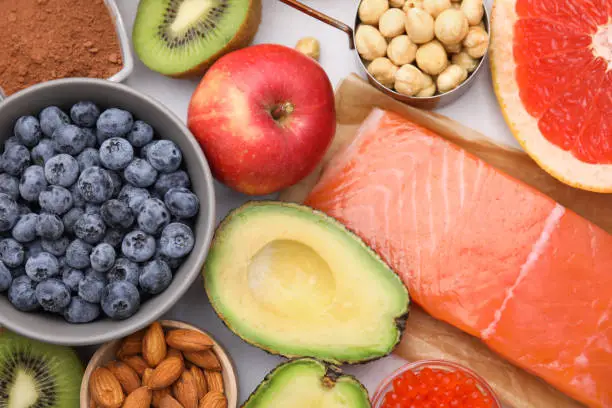
In my clinical experience, patients who strictly follow a gluten-free diet often report better digestion and fewer symptoms such as gas, bloating, and abdominal pain.
Benefits of Gluten Free foods for Gut Health
Gluten free diets offer many benefits, especially for those with gluten-related conditions or those looking to improve their gut health:
- Reduced intestinal inflammation: Gluten triggers inflammation in sensitive individuals, so avoiding it helps reduce intestinal irritation.
- Improved nutrients: Repairing the intestinal damage in celiac disease improves the absorption of essential nutrients.
- Symptom relief: Patients experience less bloating, diarrhea, and abdominal discomfort on a gluten-free diet.
- Supports healing: A bland gluten free diet can complement medical treatment for peptic ulcers by reducing stomach irritation.
Peptic ulcers and gluten free foods: What’s the connection?
Peptic ulcers are sores that develop on the lining of the stomach or the upper part of the small intestine, usually caused by infection with Helicobacter pylori bacteria, long-term use of nonsteroidal anti inflammatory drugs (NSAIDs), or excessive stomach acid. These ulcers result in symptoms like burning stomach pain, indigestion, and nausea.
Gluten, a protein found in wheat, barley, and rye, does not directly cause or worsen peptic ulcers. Unlike celiac disease, where gluten triggers an autoimmune reaction damaging the small intestine, peptic ulcers have different underlying causes unrelated to gluten intake.
However, some people with peptic ulcers may notice that certain foods containing gluten such as wheat products can irritate their stomach or worsen symptoms like bloating and discomfort. For these individuals, adopting a gluten free diet may help reduce overall digestive irritation and improve comfort, although it is not a primary treatment for ulcers.
In my clinical experience, while gluten free foods are essential for those with celiac disease or gluten sensitivity, their role in peptic ulcer management is supportive at best, focused on minimizing dietary irritants rather than treating the ulcer itself.
Understanding Celiac Disease: Its Association with Gluten
What is celiac disease and how is it related to gluten?
Celiac disease is a chronic autoimmune disorder triggered by the consumption of gluten – a protein found in wheat, barley, and rye. In people with celiac disease, gluten consumption causes the immune system to mistakenly attack the lining of the small intestine. This immune response damages the villi, which are tiny finger-like projections responsible for nutrient absorption, leading to a deficiency of essential vitamins and minerals.
As I have experienced in my clinical practice, strict avoidance of gluten through a lifelong gluten-free diet is the cornerstone of celiac disease management. Without proper management, untreated celiac disease increases the risk of anemia, osteoporosis, and certain intestinal cancers.
Common Symptoms of Celiac Disease
Celiac disease can present with a wide range of symptoms, which can sometimes make diagnosis difficult. Symptoms can vary from person to person, but they typically include:
- Chronic diarrhea or constipation
- Abdominal pain and bloating
- Unexplained weight loss
- Fatigue and weakness.
- Anemia due to iron or vitamin B12 deficiency
- Dermatitis herpetiformis (skin rash)
- Mouth blisters.
- Delayed development in children
In my daily practice, I often see patients who experience vague symptoms such as fatigue or mild digestive discomfort that improve significantly after adopting a gluten-free diet after diagnosis.
How is celiac disease diagnosed?
Diagnosis involves a combination of clinical evaluation, blood tests, and sometimes an intestinal biopsy:
- Serologic tests: Blood tests detect specific antibodies, such as tissue transglutaminase antibodies (tTG-IgA), which are elevated in active celiac disease.
- Endoscopy with biopsy: A small sample of tissue from the small intestine is examined under a microscope to look for damage to the villi. This is the gold standard for diagnosis.
- Genetic testing: Although not diagnostic in itself, HLA-DQ2 and HLA-DQ8 gene testing can aid in the diagnosis because their absence makes celiac disease highly unlikely.
It is important that patients continue to consume gluten until all tests are completed, as starting a gluten free diet prematurely can lead to false-negative results.
Effective treatment and management of celiac disease
The only effective treatment for celiac disease is a lifelong adherence to a strict gluten free diet. This means eliminating all foods containing wheat, barley, rye, and their derivatives. Patients should learn to identify hidden sources of gluten in processed foods, medications, and even supplements.
In addition to dietary management, monitoring and treatment of nutritional deficiencies is essential. Supplementation of iron, calcium, vitamin D, and B vitamins may be necessary during the healing phase.
Regular follow up with healthcare providers, including dietitians familiar with the gluten-free diet, helps ensure resolution of symptoms, intestinal healing, and prevention of complications.

Top Gluten Free Foods to Add to Your Diet
Eating a balanced, gluten free diet is essential for digestive health and healing. Here are some great options:
- Gluten free grains: rice, quinoa, millet, certified gluten-free oats
- Lean proteins: chicken, turkey, fish, eggs
- Fruits: bananas, melons, applesauce – gentle on the stomach
- Vegetables: carrots, sweet potatoes, squash – less irritating
- Nuts and seeds: provide healthy fats and nutrients.
- Herbal teas: chamomile and ginger can soothe the digestive tract.
Foods to avoid:
- Wheat, barley, rye, and products containing them
- Spicy, acidic, and caffeinated foods that irritate ulcers.
- Alcohol and processed foods with a risk of gluten cross-contamination
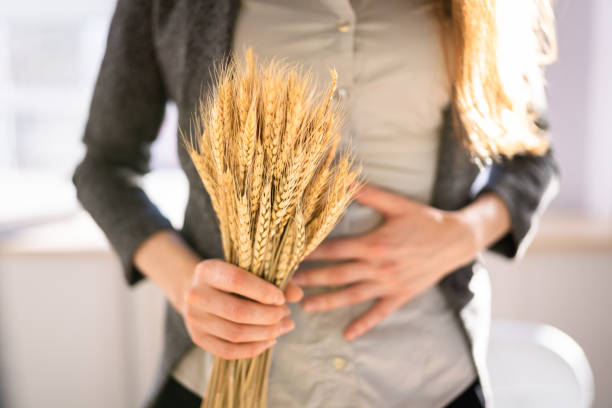
How to choose gluten free foods safely
To avoid gluten exposure and ensure safety:
- Choose products with a certified gluten-free label.
- Read ingredient lists carefully for hidden gluten sources
- Avoid cross-contamination in the kitchen and restaurants.
- Prefer fresh, whole foods over processed items.
Scientific evidence on the gluten-free diet
According to the Mayo Clinic, a strict gluten-free diet is the only treatment for celiac disease, which is necessary to repair intestinal damage and prevent complications. The CDC also highlights that a balanced gluten free diet should include adequate nutrients to avoid common deficiencies in restrictive diets.
Conclusion: Embrace gluten free foods for long-lasting digestive health.
Gluten free diet are essential for managing celiac disease and are beneficial for many people seeking digestive relief. As I have experienced in my clinical practice, patients who combine a gluten free diet with appropriate medical care experience symptom relief and improved healing outcomes, including those with peptic ulcers.
If you suspect gluten sensitivity or are experiencing digestive discomfort, consult your healthcare provider for testing and personalized advice. Thoughtful dietary choices and timely treatment are the keys to a healthy gut and a better quality of life.
FAQS
Not necessarily. For those without a medical need, a gluten-free diet isn’t inherently healthier. Many gluten-free packaged products are high in sugar, fat, and calories to improve taste and texture. A healthy, balanced diet is more important than simply avoiding gluten.
Gluten can be surprisingly tricky to avoid. Always read labels carefully for these sneaky sources:
- Soy sauce and marinades: Most contain wheat. Look for gluten-free soy sauce (like tamari).
- Gravies and sauces: Flour is often used as a thickener.
- Processed meats: Sausages and deli meats can contain gluten as a filler.
- Salad dressings: Some contain gluten as a thickener or stabilizer.
- Oats: While naturally gluten-free, oats are often cross-contaminated with wheat during growing and processing. It’s crucial to buy certified gluten-free oats.
- Malt: Found in candies, cereals, and beverages. Malt is made from barley.
- Modified food starch: Can be derived from wheat. Look for “wheat-free” on the label, or better yet, a certified gluten-free symbo
The three main grains to avoid are:
- Wheat: Found in bread, pasta, cereals, crackers, and many baked goods. This includes all forms of wheat, such as spelt, farro, durum, and semolina.
- Rye: Found in rye bread, rye beer, and some cereals.
- Barley: Found in malt, barley flour, and barley flakes. It’s also a primary ingredient in most beers.
The good news is that a huge variety of delicious foods are naturally gluten-free! This includes:
- Fruits and vegetables
- Meat and poultry
- Fish and seafood
- Beans, legumes, and nuts
- Eggs
- Dairy products (milk, cheese, yogurt)
- Gluten-free grains: Rice, corn, quinoa, buckwheat, millet, sorghum, and certified gluten-free oats.
🧑⚕️ About the Author
Dr. Asif, MBBS, MHPE
Dr. Asif is a licensed medical doctor and qualified medical educationist with a Master’s in Health Professions Education (MHPE) and 18 years of clinical experience. He specializes in gut health and mental wellness. Through his blogs, Dr. Asif shares evidence-based insights to empower readers with practical, trustworthy health information for a better, healthier life.
⚠️ Medical Disclaimer
This blog is intended for educational and informational purposes only. It is not a substitute for professional medical advice, diagnosis, or treatment. Always seek the advice of your physician or another qualified healthcare provider with any questions you may have regarding a medical condition. Never disregard or delay medical advice based on content you read here.
Leave a Reply