

Introduction
How long does an endoscopy take from start to finish? It’s one of the most frequently asked questions by patients who are preparing for this procedure. Whether you’re undergoing it for persistent acid reflux, unexplained stomach pain, or chronic nausea, knowing what to expect can ease your worries and help you feel more in control.
As I’ve experienced in my own clinical practice, many patients are surprised to learn that the actual procedure is relatively short but the total time, including preparation and recovery, can vary.
In this article, I’ll walk you through the full process from check in to discharge so you’ll know exactly what to expect on the day of endoscopy.
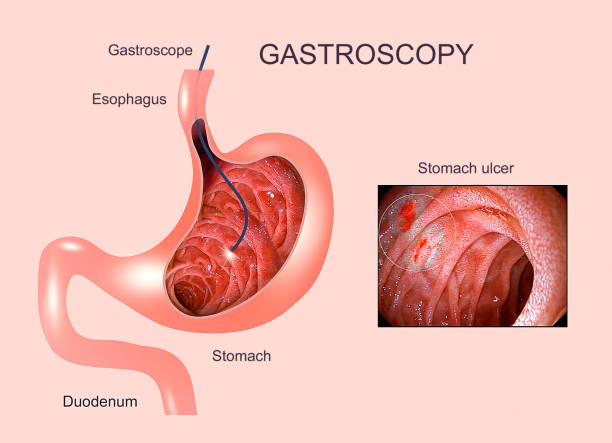
What is an endoscopy?
An endoscopy is a minimally invasive medical procedure that examines the inside of your digestive tract using a thin, flexible tube called an endoscope. It helps doctors diagnose and sometimes treat conditions affecting the oesophagus, stomach, and small intestine.
There are different types of endoscopy:
- Upper GI endoscopy (EGD): For examining the upper digestive tract.
- Colonoscopy: For the large intestine and rectum.
- Sigmoidoscopy: For the lower part of the large intestine.
This article focuses primarily on upper GI endoscopy, which is the most commonly performed type.
How long does an endoscopy take from start to finish?
How long does an endoscopy take, Let’s break it down into key steps:
1. Preoperative Procedures: Check-in and Preparation (30-60 minutes)
When you arrive at the facility, you will first go through:
- Registration
- Review of medical history
- Signing a consent form
- Change into a gown.
- Placement of an IV line if sedation is planned.
In my daily practice, I often see patients spend 30 to 60 minutes in this phase, depending on the hospital’s performance and individual needs.
2. Sedation and positioning (10-15 minutes)
You will be taken to the procedure room, where:
- A local anesthetic spray may be applied to your throat.
- Sedation (usually a conscious or twilight medication) is given.
- Your vitals will be monitored.
- You will be placed on your side.
This step usually takes about 10-15 minutes.
3. What to expect on the day of endoscopy (10-20 minutes)
The endoscope is gently inserted through your mouth into the esophagus, stomach, and upper small intestine. The doctor carefully examines the lining and may take a biopsy or perform therapeutic procedures.
- Average time for diagnostic endoscopy: 10-15 minutes
- If biopsy or dilation is needed: 15-20 minutes
Therefore, the actual endoscopy is quite short and usually takes less than 20 minutes.
4. Recovery after the procedure (30-60 minutes)
After this, you will be transferred to the recovery area where:
- Nurses monitor your breathing and blood pressure.
- You will rest as the sedation wears off.
- You may feel groggy or have a slight sore throat.
This phase usually lasts 30 to 60 minutes depending on how well you tolerate the sedation.
Total Time: A Summary
Here’s a summary of how long an endoscopy takes from start to finish:
Estimated Stage Duration
- Check-in and Preparation 30-60 minutes
- Sedation and Setup 10-15 minutes
- Procedure 10-20 minutes
- Recovery 30-60 minutes
- Total 1.5 to 2.5 hours
How to Prepare for Endoscopy
How to prepare for Endoscopy is the common concern of every individual who is going for endoscopy Let’s explore it:
Proper preparation can help the procedure go smoothly. Most patients are advised to:
- Follow fasting instructions.
You will likely be prohibited from eating or drinking for 6-8 hours before the procedure.
- Discuss medications.
Some medications, especially blood thinners or diabetes medications, may need adjustments. Always consult your physician.
- Arrange transportation.
Because of the sedation, you will not be allowed to drive yourself home.
Advice from medical experience: I always advise my patients to bring a partner and not schedule work or important activities immediately after the procedure.
What to expect during recovery.
Most patients recover quickly and return home the same day.
Common experiences after an endoscopy include:
- Drowsiness or drowsiness
- Mild sore throat
- Mild bloating or gas
- These usually resolve within a few hours.
However, you should seek medical attention if you experience:
- Severe abdominal pain
- Persistent vomiting
- Fever or chills
- Trouble swallowing or breathing
When does an endoscopy take longer?
In rare cases, an endoscopy may take longer due to:
- Complications (bleeding, ulcers, strictures)
- Need for therapeutic intervention (e.g., removal or dilation of polyps)
- Delays related to sedation
- Excessive patient anxiety or discomfort
As a doctor, I sometimes need to pause or slow down if a patient has a sensitive gag reflex or is struggling with the procedure, even under sedation.
Is endoscopy a day procedure or do I need to stay?
Is endoscopy a day procedure? is the concern of every individual who are schedule for endoscopy so yes endoscopy is usually an outpatient procedure. You can:
- Go home the same day
- Resume eating after the sedation wears off (start with light meals)
- Return to work the next day, unless otherwise advised.
Some patients undergoing complex therapeutic endoscopy may require a short hospital stay, but this is uncommon.
How to Make the Experience Smoother: Pro Tips
Based on my clinical experience, here are some practical tips:
Checklist for a Smoother Experience:
- Wear loose, comfortable clothing.
- Remove jewellery or dentures before the procedure.
- Follow all pre-procedure fasting guidelines.
- Inform the doctor of any allergies or previous adverse reactions to sedatives.
- Keep a list of medications and medical conditions on hand
Why time matters: Planning around your endoscopy
Patients often ask if they can work the same day or plan activities for later. I usually recommend:
- Taking the entire day off work
- No operating machinery
- Resting at home after the procedure
Even if the actual procedure is short, the sedation will affect your alertness for the rest of the day.
Why Is an Upper GI Endoscopy Done? Common Indications Explained
Upper GI endoscopy is commonly performed to investigate symptoms like chronic acid reflux, upper abdominal pain, nausea, vomiting, or difficulty swallowing. In my clinical practice, I often use this procedure to evaluate and confirm conditions such as:
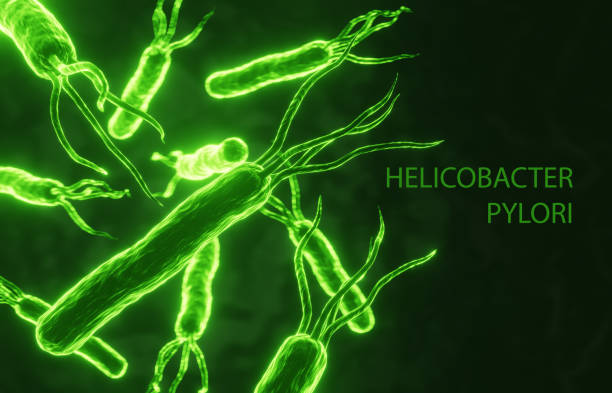
Suspected H. pylori infection (👉 Read About symptoms signs and treatment of H. pylori)
Peptic ulcer disease (👉 Read complete Guide to Peptic Ulcer here)
Gastroesophageal reflux disease (GERD)
Persistent upper abdominal discomfort or bloating
Unexplained weight loss or anemia
Swallowing difficulties (dysphagia)
Vomiting blood (hematemesis) or black stools (melena)
It also allows us to take biopsies, remove polyps, or stop active bleeding when needed.
You can further read about endoscopy : NHS guide on Endoscopy.
American Society for Gastrointestinal Endoscopy.
Conclusion: What’s the takeaway?
So, how long does an endoscopy take from start to finish?
In most cases, expect a total of 1.5 to 2.5 hours, with the actual procedure lasting only 10 to 20 minutes The bulk of the time is spent on preparation and recovery.
In my years of practice, I have seen that understanding the process helps patients feel more confident and calm. It is a quick and safe test with a lot of diagnostic power. So if your doctor has recommended it don’t stress. You are in and out the same day, with answers that can significantly improve your health.
Ready for Your Endoscopy? Don’t Stress!
If you’re scheduled for an endoscopy and still have concerns, speak with your doctor. Understanding how long does an endoscopy take from start to finish and what to expect can make the experience much smoother.
Have questions? Drop them in the comments or explore more of our digestive health blogs for expert insights.
Stay informed. Stay healthy.
FAQS
The fasting time depends on the type of endoscopy you are having.
- Upper Endoscopy (EGD): Typically, you will need to fast for 6 to 8 hours before the procedure. This means no food or drink, including water. Your doctor will provide specific instructions.
- Colonoscopy: The preparation for a colonoscopy is more extensive and involves a special diet for a few days before the procedure, followed by a liquid-only diet and a bowel-cleansing solution. The final fasting period for a colonoscopy is usually similar to an upper endoscopy, but the overall preparation is much longer.
Your doctor will give you specific instructions about your medications. In most cases, you can take essential medications with a small sip of water several hours before your procedure. However, certain medications, such as blood thinners or diabetes medications, may need to be adjusted or stopped temporarily. Never stop taking a medication without consulting your doctor first.
If you consume any food or drink within the specified fasting window, your procedure will likely be canceled and rescheduled. This is a safety precaution to ensure a clear view and prevent complications like aspiration. It’s essential to follow all instructions from your doctor or the clinic.
An endoscopy is a medical procedure that allows a doctor to look inside your body using a long, thin, flexible tube with a light and a camera on the end, called an endoscope. This procedure is used to diagnose and sometimes treat conditions of the digestive system, including the esophagus, stomach, and small intestine (upper endoscopy) or the colon (colonoscopy).
The timing of your endoscopy is crucial for several reasons:
- Preparation: For the procedure to be successful, your digestive tract must be completely empty. This requires a period of fasting and often specific bowel preparation. The timing of this preparation is directly linked to your procedure time.
- Accuracy: An empty stomach and clean bowels allow the doctor to get a clear and unobstructed view of the internal organs, leading to a more accurate diagnosis.
- Safety: Having food or liquid in your stomach during an upper endoscopy can be dangerous, as it increases the risk of aspiration (inhaling food into your lungs).
🧑⚕️ About the Author
Dr. Asif, MBBS, MHPE
Dr. Asif is a licensed medical doctor and qualified medical educationist with a Master’s in Health Professions Education (MHPE) and 18 years of clinical experience. He specializes in gut health and mental wellness. Through his blogs, Dr. Asif shares evidence-based insights to empower readers with practical, trustworthy health information for a better, healthier life.
⚠️ Medical Disclaimer
This blog is intended for educational and informational purposes only. It is not a substitute for professional medical advice, diagnosis, or treatment. Always seek the advice of your physician or another qualified healthcare provider with any questions you may have regarding a medical condition. Never disregard or delay medical advice based on content you read here.
Leave a Reply