

Introduction: Why Hepatitis B is Important for Adults.
Hepatitis B vaccine adult schedule is a crucial but often overlooked part of preventive healthcare for grown ups.
In today’s world of modern medicine, many adults believe that vaccines are only for children. But hepatitis B continues to pose a real threat especially to those who are unvaccinated or at higher risk due to travel, healthcare exposure, or chronic conditions.
As I’ve experienced in my clinical practice, many adult patients are unaware of their hepatitis B status or assume they were vaccinated as children. This gap in protection can leave them vulnerable to a serious liver infection that can become chronic and even life-threatening.
In this guide, I’ll walk you through the complete hepatitis B vaccine adult schedule, who needs it, how it’s given, and why it’s one of the smartest moves you can make for long term liver health.
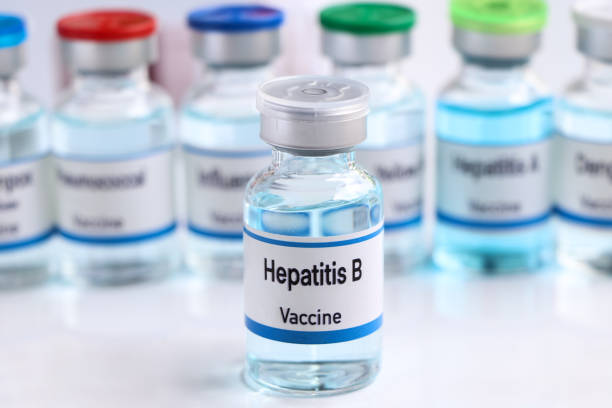
What is hepatitis B and why is vaccination important?
Hepatitis B is a viral infection that affects the liver. It is spread through contact with infected blood, semen, or other body fluids. Unlike hepatitis A, which usually resolves on its own, hepatitis B can become chronic especially if the infection occurs in adulthood.
Key reasons to get vaccinated:
- Prevents chronic hepatitis B infection.
- Reduces the risk of cirrhosis and liver cancer.
- Protects others by reducing community spread.
- Safe and highly effective (over 95% protection rate)
In my daily practice, I often see patients who were unknowingly exposed to hepatitis B during a surgical procedure, during a dental visit abroad, or even through a minor injury. Many of these cases could have been prevented with timely vaccination.
Who should get the hepatitis B vaccine as an adult?
According to the CDC and WHO, all unvaccinated adults ages 19-59 should get the hepatitis B vaccine. Additionally, adults 60 years of age and older with risk factors should also get the vaccine.
High risk groups include:
- Healthcare workers and first responders
- People with diabetes
- Dialysis patients
- Travellers to areas where hepatitis B is endemic
- People with multiple sex partners or STIs
- People who inject drugs
- Household contacts or sex partners of someone with hepatitis B
- People with HIV or other chronic liver conditions
If you fall into any of these categories or if you’re just unsure about your immune status talk to your doctor about starting an adult hepatitis B vaccine schedule.
Hepatitis B Vaccine Adult Schedule: Standard and Alternative Options
1. Standard 3-Dose Schedule (Most Common)
The traditional adult hepatitis B vaccine schedule consists of three doses over 6 months:
Dose 1: Day 0
Dose 2: 1 month later (in 1 month)
Dose 3: 6 months after the first dose (in 6 months)
This schedule is most commonly used in adults and provides long lasting immunity. It is ideal for people who are not at immediate risk but who want complete protection.
2. Rapid 4-dose schedule (Twinrix)
For those travelling soon or at immediate risk, there is a faster schedule using the combined hepatitis A + B vaccine (Twinrix):
Dose 1, 2, 3: Days 0, 7, and 21–30
Booster dose: At 12 months
This schedule provides faster protection, but the booster must be completed for long term immunity.
3. 2-dose schedule (Heplisav-B)
A new vaccine called Heplisav-B allows adults (18+) to complete the hepatitis B series in just two doses, one month apart:
Dose 1: Day 0
Dose 2: 1 month later
This vaccine is not currently recommended for pregnant women but is FDA approved and widely used in clinics.
As I often advise my busy patients especially healthcare workers and professionals with tight schedules the 2-dose option may offer greater compliance because of its convenience.
Hepatitis B Booster Dose for Adults
Many adults wonder whether they need a hepatitis B booster dose after completing the initial series. In most healthy individuals, the full vaccine schedule provides long-term often lifelong protection. However, certain groups like dialysis patients or those with weakened immune systems may require a booster based on their antibody levels.
[Learn more in our full guide on Hepatitis B booster dose for adults.]
What if you miss a dose?
Don’t panic. If you miss a second or third dose, you don’t need to start the entire series again. Just get the next dose as soon as possible.
In clinical practice, I often reassure patients who miss their follow-up vaccine for months or years. The immune system has a memory so delayed doses still play an important role in building protection.
How long does protection last? If i Complete Hepatitis B vaccine Schedule for Adults
For most healthy individuals, the hepatitis B vaccine provides lifelong immunity after completing the entire series. Routine boosters are not needed, except for people with:
- Weakened immune systems
- Undergoing dialysis.
- Occupational exposure with low antibody levels
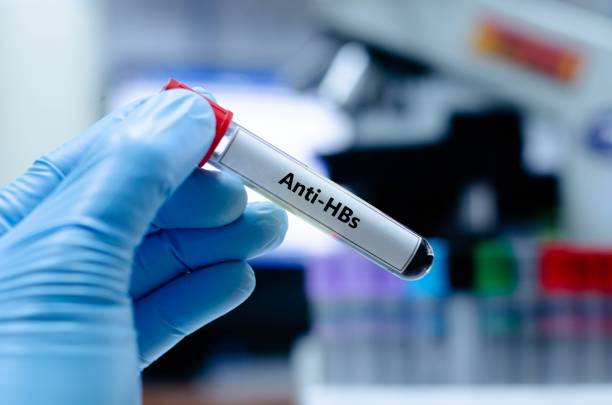
If you are unsure about your protection, a simple blood test (anti-HBs titer) can check whether you have sufficient immunity.
Hepatitis B Vaccine Side Effects and Safety
The hepatitis B vaccine is very safe and well tolerated. Serious side effects are rare.
Common mild side effects include:
- Soreness or redness at the injection site
- Mild fever
- Fatigue or headache
An allergy to any component of the vaccine (such as yeast) is a contraindication, so always inform your doctor about allergies before vaccination.
Hepatitis B and pregnancy: What women should know?
Pregnant women at risk of hepatitis B should still get the vaccine, except for Heplisav-B (due to insufficient safety data).
The standard 3 dose vaccine (Engerix-B or Recombivax HB) is considered safe during pregnancy and is highly recommended if you are in a risk group.
Protecting the mother means protecting the baby newborns exposed to hepatitis B at birth have a 90 percent chance of developing chronic infection if left unprotected.
Why is hepatitis B vaccination important in today’s world?
While the overall global prevalence of hepatitis B is declining thanks to childhood immunizations, adults still represent a significant vulnerable population.
Workplace exposures, travel, relationships, and healthcare practices all pose potential risks.
According to the World Health Organization, more than 296 million people are living with chronic hepatitis B, with more than 800,000 deaths annually due to liver complications.
(Source: WHO Hepatitis B Fact Sheet)
CDC now recommends universal hepatitis B vaccination for adults ages 19-59, citing rising incidence among unvaccinated adults.
(Source: CDC Adult Hepatitis B Vaccine Guidelines)
Summary Table: Hepatitis B Vaccine Adult Schedule Options
Schedule Type Dose Timeline Ideal for
Standard (3-dose) 3 doses 0, 1, and 6 months General adult population
Rapid (Twinrix) 4 doses 0, 7, 21-30 days + 12 months Travellers needing rapid protection
Heplisav-B (2-dose) 2 doses 0 and 1 month Adults needing a convenient option
Can Hepatitis B Be Transmitted Through Saliva?
While hepatitis B is primarily spread through blood and other body fluids, saliva can also carry the virus, especially during activities like sharing toothbrushes, razors, or deep kissing when bleeding gums are involved. Although the risk is lower compared to blood exposure, it’s still important to be cautious in close-contact settings.
[Read the full article on hepatitis B transmission through saliva here.]
Conclusion: Take a step toward liver protection
The hepatitis B vaccine Adult Schedule is straightforward, safe, and one of the best decisions you can make for your long-term health. Whether you are at high risk or just want to be safe, getting vaccinated is a proactive step that can prevent a potentially life threatening disease.
If you are unsure about your vaccination status or need help choosing the right schedule, talk to your healthcare provider today.
FAQS
For most healthy adults who have completed the vaccine series, booster shots are not recommended. The vaccine provides long-term immunity. However, a booster shot may be recommended for certain individuals with compromised immune systems, such as those on hemodialysis.
The standard Hepatitis B vaccine series for adults consists of three doses. The most common schedule is as follows:
- First dose: As soon as possible.
- Second dose: 1 month after the first dose.
- Third dose: 6 months after the first dose. Your doctor may recommend a different schedule based on your specific needs or the type of vaccine used.
The Hepatitis B vaccine is very safe, and most people experience no side effects. If side effects do occur, they are usually mild and may include soreness or redness at the injection site. Some people may also experience a low-grade fever or fatigue. Serious allergic reactions are extremely rare.
If you miss a dose, you should get it as soon as you remember. There is no need to restart the series. The second dose should be given at least 4 weeks after the first, and the third dose should be given at least 8 weeks after the second and at least 16 weeks after the first dose.
The Centers for Disease Control and Prevention (CDC) recommends the Hepatitis B vaccine for all adults aged 19-59. The vaccine is also recommended for adults 60 and older who are at increased risk for the disease. Individuals at higher risk include healthcare workers, people with diabetes, those on dialysis, and individuals with multiple sexual partners.
🧑⚕️ About the Author
Dr. Asif, MBBS, MHPE
Dr. Asif is a licensed medical doctor and qualified medical educationist with a Master’s in Health Professions Education (MHPE) and 18 years of clinical experience. He specializes in gut health and mental wellness. Through his blogs, Dr. Asif shares evidence-based insights to empower readers with practical, trustworthy health information for a better, healthier life.
⚠️ Medical Disclaimer
This blog is intended for educational and informational purposes only. It is not a substitute for professional medical advice, diagnosis, or treatment. Always seek the advice of your physician or another qualified healthcare provider with any questions you may have regarding a medical condition. Never disregard or delay medical advice based on content you read here.
Leave a Reply