

Introduction
Foods that relieve gas and bloating are a simple yet powerful way to support your digestive health without relying on medication. Gas, bloating, and stomach discomfort are common problems that can be caused by poor digestion, certain foods, or even stress. Fortunately, adding certain natural foods to your daily routine can provide fast relief and prevent future episodes. In this blog, we’ll explore 12 effective foods that not only reduce gas and bloating but also improve overall bowel function — helping you feel lighter, healthier, and more comfortable.
Causes of Gas and Bloating
Gas and bloating are common digestive complaints that can affect your comfort, confidence, and overall quality of life. While occasional bloating is normal, persistent or excessive gas may indicate an underlying issue. Understanding the root causes can help you manage symptoms more effectively and make better dietary and lifestyle choices. Below are the most common causes of gas and bloating:
1. Irritable Bowel Syndrome (IBS)
IBS is a chronic functional gastrointestinal disorder that affects how the gut functions, without any visible structural damage. It’s one of the leading causes of persistent gas and bloating, often accompanied by abdominal pain, diarrhea, constipation, or alternating between both. In IBS, the digestive system becomes more sensitive to certain foods and stress, causing excessive gas production and altered bowel habits. Managing IBS often involves dietary changes (like a low-FODMAP diet), stress reduction, and sometimes medication.
2. Swallowed Air (Aerophagia)
One of the most overlooked causes of bloating is swallowing excess air, which can happen when you eat too quickly, chew gum, smoke, or drink carbonated beverages. This air accumulates in the stomach and intestines, leading to belching, bloating, and abdominal discomfort.
3. High-FODMAP Foods
Certain carbohydrates, known as FODMAPs (Fermentable Oligo-, Di-, Mono-saccharides And Polyols), are poorly absorbed in the gut and ferment in the colon. Foods high in FODMAPs like onions, garlic, lentils, beans, apples, and dairy can cause gas, bloating, and even cramping in sensitive individuals, especially those with IBS (Irritable Bowel Syndrome).
4. Food Intolerances
Common intolerance—such as lactose intolerance (from dairy), fructose malabsorption (from fruits and sweeteners), and gluten sensitivity—can trigger bloating and excess gas. These conditions interfere with proper digestion and lead to fermentation of undigested food in the gut.
5. Constipation
When stool builds up in the colon, it can cause increased fermentation, leading to gas, bloating, and abdominal pressure. Constipation slows down transit time, giving gut bacteria more opportunity to break down waste and release gas.
6. Gut Dysbiosis
An imbalance in the gut microbiota, also called dysbiosis, may lead to excessive fermentation of food, resulting in bloating, gas, and irregular bowel movements. This can be caused by poor diet, overuse of antibiotics, or gastrointestinal infections.
7. Small Intestinal Bacterial Overgrowth (SIBO)
SIBO occurs when bacteria that normally live in the colon migrate to the small intestine, where they ferment food too early in the digestive process. This can cause chronic bloating, gas, and discomfort, often within 30–60 minutes of eating.
8. Hormonal Changes
Women often experience bloating during menstruation, pregnancy, or menopause due to hormonal fluctuations affecting digestion and water retention. This can lead to temporary but uncomfortable abdominal swelling.
1. Ginger – A Natural Bloat Buster
Ginger has long been known as one of the top foods that relieve gas and bloating. It contains compounds like gingerols and shogaols that help relax intestinal muscles and reduce gas buildup. A hot cup of ginger tea after a meal can do wonders for your digestive system.

2. Peppermint – Soothes the intestines.
Peppermint is a soothing herb that soothes the stomach and reduces bloating. It is especially helpful for those who suffer from IBS-related gas. Whether you chew fresh peppermint leaves or sip peppermint tea, it can significantly reduce digestive discomfort.
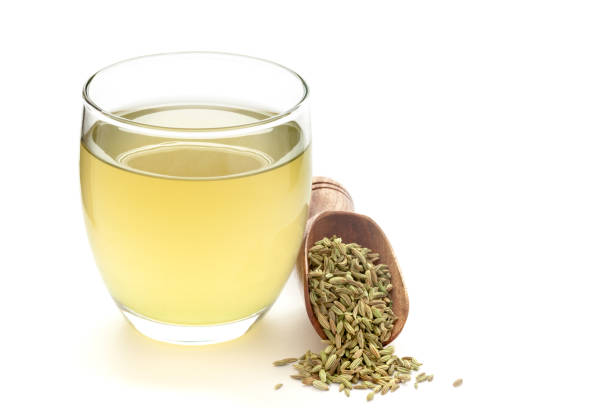
3. Fennel Seeds – Ancient Gas Reliever
Fennel seeds are one of the best foods that instantly relieve gas and bloating. They help reduce inflammation in the intestines and help break down food, preventing excessive gas. You can chew a teaspoon of fennel seeds after meals or make them into a tea.
4. Bananas – Rich in Potassium
Bananas are high in potassium, an important mineral that helps balance sodium levels and reduce water retention. This makes them ideal for relieving bloating. Plus, bananas are gentle on the stomach and help restore intestinal balance.
5. Yogurt – Full of probiotics.
When it comes to foods that relieve gas and bloating, probiotic-rich yogurt is a top contender. It helps restore healthy gut bacteria, improve digestion, and reduce bloating caused by imbalances in your digestive system. Opt for plain, unsweetened yogurt with live cultures.
6. Papaya – Enzyme-Powered Digestion
Papaya contains the digestive enzyme papain, which breaks down proteins and reduces gas formation in the intestines. This tropical fruit is not only refreshing but also extremely useful for reducing bloating and promoting gut health.
7. Cucumber – Hydration and De-Bloating
Cucumber is a water-rich vegetable that helps flush excess sodium from your system. It acts as a natural diuretic, reducing swelling and bloating. For best results, add it to salads or drink cucumber-infused water throughout the day.
8. Pineapple – Another Enzyme Hero
Like papaya, pineapple contains bromelain, a digestive enzyme that helps reduce inflammation and gas in the digestive tract. Eating fresh pineapple or drinking its juice promotes smooth digestion and one of the best in foods that relieve gas and bloating.
9. Chamomile Tea – Soothes Digestion
Chamomile tea is more than just a relaxing bedtime drink. It has antispasmodic and anti-inflammatory properties that help relax intestinal muscles and reduce gas buildup. Sip a warm cup in the evening to calm your digestive system.
10. Asparagus – Natural Diuretic
Asparagus is another fantastic food that reduces bloating due to its diuretic effects. It helps flush out excess water and supports gut-friendly bacteria. Asparagus also contains inulin, a type of prebiotic fiber that promotes healthy digestion.
11. Apples – Soft Fiber Support
Apples are high in soluble fiber, specifically pectin, which helps move food through your digestive system more efficiently. While some people may experience mild gas from raw apples, cooking them lightly can help reduce this effect while still providing relief from bloating.
12. Oats – Fiber that Fights Bloating
Whole oats are a slow-digesting carbohydrate that is packed with soluble fiber. They help regulate bowel movements and absorb excess water in the intestines, reducing bloating. Start your morning with a warm bowl of oatmeal with banana slices for the perfect de-bloating meal.
Bonus tips to reduce gas and bloating naturally
- Eat slowly and chew your food thoroughly to prevent swallowing air.
- Avoid carbonated drinks and chewing gum, both of which increase gas.
- Stay hydrated to help your body process fiber and flush out toxins.
- Limit processed foods and foods high in sodium, which can cause water retention.
Conclusion
Gas and bloating may be common, but they don’t have to disrupt your life. With the right diet, you can naturally support your digestive health. The foods on the list above that relieve gas and bloating are easy to find, affordable, and delicious. Add them to your diet regularly, and your gut will thank you.
Whether it’s an herbal tea after a meal, a banana in the morning, or yogurt with lunch, small changes can make a big difference in how you feel every day.
FAQS
Yes, common culprits include beans, lentils, cruciferous vegetables (broccoli, cauliflower, cabbage), onions, garlic, carbonated drinks, and foods with artificial sweeteners like sorbitol or xylitol. Dairy can also be problematic for those with lactose intolerance
Yes! Fruits such as bananas, papaya, kiwi, oranges, and berries are known to help with bloating. Bananas and avocados are high in potassium, which helps balance sodium and reduce water retention. Papaya and pineapple contain enzymes (papain and bromelain) that aid digestion
Yes, herbal teas such as peppermint and ginger tea are traditional remedies for digestive discomfort. Peppermint relaxes the digestive tract muscles, helping trapped gas pass, while ginger has anti-inflammatory properties and can speed up digestion
Absolutely! Keeping a food diary can help you identify specific foods that trigger your symptoms, making it easier to adjust your diet for better digestive comfort
Foods that can help relieve gas and bloating include low-carb vegetables like carrots, tomatoes, and zucchini; low-sugar fruits such as berries, kiwi, and papaya; fermented foods like yogurt, kefir, and kombucha; and herbal teas, especially peppermint and ginger tea. These foods support digestion, reduce inflammation, and promote a healthy gut microbiome
🧑⚕️ About the Author
Dr. Asif, MBBS, MHPE
Dr. Asif is a licensed medical doctor and qualified medical educationist with a Master’s in Health Professions Education (MHPE) and 18 years of clinical experience. Through his blogs, Dr. Asif shares evidence-based insights to empower readers with practical, trustworthy health information for a better, healthier life.
⚠️ Medical Disclaimer
This blog is intended for educational and informational purposes only. It is not a substitute for professional medical advice, diagnosis, or treatment. Always seek the advice of your physician or another qualified healthcare provider with any questions you may have regarding a medical condition. Never disregard or delay medical advice based on content you read here.
Leave a Reply