

Introduction
Side effects of omeprazole are often overlooked, yet they can be serious and long-lasting, especially when this acid-reducing medication is used daily without proper guidance. As a doctor, I’ve seen numerous patients suffer complications from prolonged use ranging from nutrient deficiencies to kidney damage. While omeprazole offers short-term relief for acid reflux (Read natural relief of acid reflux) and GERD, it’s crucial to understand what really happens inside your body when you rely on it every day. In this blog, we’ll uncover 10 shocking side effects of omeprazole and explore safer, more effective alternatives for lasting acid reflux relief.
What is Omeprazole?
Omeprazole is a proton pump inhibitor used to reduce stomach acid. While effective for GERD and ulcers, long-term use can lead to serious side effects of omeprazole that most patients are not warned about.
10 Shocking Side Effects of Omeprazole
Omeprazole is a widely prescribed proton pump inhibitor (PPI) used to treat acid reflux, heartburn, and ulcers. While effective for short-term symptom relief, long-term use can lead to serious side effects that many patients are not warned about. Here are 10 surprising side effects of omeprazole that you should be aware of:
1. Nutritional deficiencies
Omeprazole suppresses stomach acid, which is necessary for the absorption of several important nutrients. Long-term use can lead to deficiencies in:
- Magnesium: Low levels can cause muscle pain, irregular heartbeat, or seizures.
- Calcium: Poor absorption can weaken bones.
- Vitamin B12: A deficiency can result in fatigue, nerve damage, and memory problems.
2. Bone Fractures
By reducing calcium absorption, omeprazole increases the risk of osteoporosis and fractures of the hip, wrist, or spine, especially in older adults.This is most common and warning side effects of omeprazole, The FDA has issued a warning about this risk with long-term PPI use.
3. Kidney Damage
Long-term use of omeprazole has been linked to severe interstitial nephritis and chronic kidney disease (CKD). Symptoms may include fatigue, swelling, or changes in urine. In some cases, kidney damage can be permanent.
4. Increased Infections
Stomach acid helps kill harmful pathogens. Suppression of acid levels can allow bacteria such as Clostridium difficile (C. diff) to thrive, leading to:
Severe intestinal infections
Increased risk of pneumonia, especially in hospitalized or elderly patients
5. Rebound Acid Hypersecretion
Abruptly stopping omeprazole can lead to a rapid increase in acid production, worsening symptoms and making patients feel “addicted” to the medication.this is the most common side effects of omeprazole. This rebound effect can create a dependency cycle if not properly tapered under medical guidance.
6. Headache and Dizziness.
Some users experience headaches, dizziness, and blurred vision, especially during the first few weeks of use. These neurological side effects can affect daily functioning and may persist in susceptible individuals.

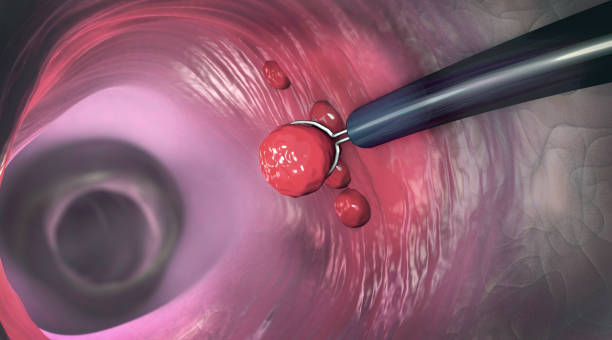
7. Stomach Polyps
Long-term use of omeprazole has been associated with the development of benign fundic gland polyps in the lining of the stomach. Although usually harmless, they may require endoscopic monitoring if they are large or persistent.
8. Brain fog and memory problems
By interfering with the absorption of vitamin B12, long-term use of omeprazole can cause symptoms such as:
- Confusion
- Memory loss
- Difficulty concentrating
These symptoms are more common in older adults but can occur at any age.
9. Liver failure (Read natural way liver cleansing)
Although rare, but one of the side effects of omeprazole is affect liver function, resulting in:
- Increased liver enzymes
- Fatigue
- Jaundice (yellowing of the skin or eyes)
- PPIs should be used with caution and under supervision in patients with pre-existing liver problems
10. Dangerous Drug Interactions
Omeprazole can interfere with the metabolism of several medications by affecting liver enzymes (especially CYP2C19), including:
- Clopidogrel (Plavix) – reducing its effectiveness and increasing the risk of heart attack
- Warfarin – increasing the risk of bleeding.Read in Detail About: [Is omeprazole safe for heart patients]
- Some antifungal and HIV medications
Always inform your doctor or pharmacist if you are taking omeprazole with other medications.
What Happens If You Take Omeprazole Every Day?
Taking omeprazole daily can result in cumulative side effects. Your body may become dependent on the medication, making it difficult to stop. It can also lead to serious health conditions like kidney disease and malnutrition.
Is There a Safe Alternative to Omeprazole?
Yes. Depending on your condition, safe alternative to omeprazole include:
H2 Blockers (e.g., famotidine)
Antacids (e.g., Gaviscon)
Always consult your doctor before switching medications.
Is Gaviscon Safer Than Omeprazole?
Is Gaviscon safer than omeprazole a question that i faced in my clinic a lot, Gaviscon works differently it creates a protective barrier in the stomach without suppressing acid entirely. For many patients, it is a safer short-term option with fewer long-term risks compared to omeprazole.
When Should I Stop Taking Omeprazole?
You should consider stopping if:
You’ve been on it for more than 8 weeks
Your symptoms are under control
You’re experiencing side effects of omeprazole
Gradually taper the dose under medical supervision to avoid rebound acid reflux.
How to Stop Acid Reflux Without Omeprazole
Omeprazole and other proton pump inhibitors (PPIs) are commonly prescribed to reduce stomach acid, but long-term use can lead to side effects like nutrient deficiencies, gut imbalances, and rebound reflux. The good news? You can manage and reduce acid reflux symptoms naturally by making smart changes to your diet, lifestyle, and daily habits. Here’s how:
1. Dietary changes to control acid reflux
What you eat and how you eat plays a major role in reflux. Making the following adjustments can significantly reduce heartburn:
Avoid trigger foods.
Spicy, fried, and fatty foods increase acid production and relax the lower esophageal sphincter (LES), allowing acid to flow back up into the esophagus. Limit or eliminate:
- Chili peppers, hot sauces
- Deep-fried foods
- Tomato-based sauces
- Citrus fruits (oranges, lemons)
- Vinegar-based dressings
Limit caffeine, alcohol, and chocolate.
Caffeine and alcohol relax the LES, while chocolate contains both fat and caffeine, making it a triple trigger. Opt for herbal teas instead and limit coffee or alcohol to occasional, small servings.
Eat small, frequent meals.
Large meals put pressure on the stomach and LES. Eating 4-6 small meals throughout the day can reduce reflux episodes. Avoid lying down for at least 2-3 hours after eating.
2. Lifestyle habits that support reflux relief.
Minor changes to your daily routine can prevent acid from backing up into the esophagus.
Sleep with your head elevated.
Raise the head of your bed by 6-8 inches using a riser or wedge pillow. This uses gravity to keep stomach acid where it belongs away from your esophagus especially at night.
Lose excess weight.
Even a small amount of belly fat loss can significantly reduce pressure on your stomach, reducing reflux. Aim for gradual, sustainable weight loss through diet and exercise.
Quit smoking.
Nicotine weakens the LES and increases acid production. Quitting smoking not only helps with reflux, but it also reduces your risk of ulcers, cancer, and heart disease.
3. Natural Remedies to Soothe Reflux Naturally
Many herbs and home remedies provide gentle support for the digestive system and can help reduce acid reflux symptoms without medication:
Ginger
Ginger is a natural anti-inflammatory that helps soothe the stomach. Sip ginger tea after meals or add fresh ginger to your meals to help with its calming effects on digestion.
Licorice (DGL)
Deglycyrrhizinated licorice (DGL) can help heal and protect the lining of the stomach. It comes in chewable tablet form and can be taken before meals. Avoid standard licorice if you have high blood pressure.
Slippery Elm
Slippery Elm coats and soothes the lining of the esophagus and stomach. It comes in powder or capsule form. Mix it with lukewarm water and drink it after meals for relief.
Aloe Vera Juice
Aloe vera juice (in small amounts) can help soothe inflammation in the esophagus. Choose only clear, purified aloe vera juice and limit it to 1/4 cup before meals. Avoid overuse as it can cause diarrhea.
Chew sugar-free gum after meals.
Chewing gum stimulates saliva production, which helps wash away acid and neutralize the esophagus. Choose non-mint, sugar-free varieties to avoid triggering reflux.
Final tip
Always consult your doctor before stopping PPIs like omeprazole. These lifestyle and natural methods work best when added gradually and consistently. If symptoms persist or worsen, seek medical advice to rule out conditions like GERD, hiatal hernia, or ulcers.
Final Thoughts: A Doctor’s Perspective
The side effects of omeprazole are real and often underestimated. While it’s a powerful drug for short-term relief, long-term reliance can be dangerous. Speak to your doctor about tapering off and consider safer alternatives for lasting acid reflux management.
Call to Action
Worried about the hidden side effects of Omeprazole? Discover what your doctor wants you to know before taking another pill and learn safe alternatives for lasting relief
FAQS
Yes. Long-term use is linked to kidney damage, bone fractures, and nutrient deficiencies.
Watch for swelling, fatigue, or changes in urination and get your kidney function tested.
Yes, Gaviscon is generally safe for occasional use, but long-term reliance still requires medical advice.
The most common include headache, nausea, stomach pain, and diarrhea.
🧑⚕️ About the Author
Dr. Asif, MBBS, MHPE
Dr. Asif is a licensed medical doctor and qualified medical educationist with a Master’s in Health Professions Education (MHPE) and 18 years of clinical experience. He specializes in gut health and mental wellness. Through his blogs, Dr. Asif shares evidence-based insights to empower readers with practical, trustworthy health information for a better, healthier life.
⚠️ Medical Disclaimer
This blog is intended for educational and informational purposes only. It is not a substitute for professional medical advice, diagnosis, or treatment. Always seek the advice of your physician or another qualified healthcare provider with any questions you may have regarding a medical condition. Never disregard or delay medical advice based on content you read here.
Leave a Reply