

Introduction
Signs your ulcer is healing? is the most asked question in my clinical practice. Stomach ulcers or peptic ulcers can feel like a never ending problem, with their burning pain and discomfort affecting daily life. If you’ve started treatment and made lifestyle changes, it’s natural to ask: How to know if ulcer is healing?
As a licensed medical doctor, I hear this question often in my medical practice. In this post, I’ll walk you through the telltale signs your ulcer is healing, how long does it take for a ulcer to heal?, and what red flags to look for. This clinically reviewed, easy to understand guide will help you track your healing progress with confidence.
What is a peptic ulcer?
A peptic ulcer is an open sore in the lining of your stomach or the upper part of your small intestine. There are two main types:
Gastric ulcers –develop in the lining of the stomach.
Duodenal ulcers – occur in the first part of the small intestine (duodenum).
Most ulcers are caused by Helicobacter pylori infection or long-term use of NSAIDs such as ibuprofen. Lifestyle habits, stress, and spicy foods can worsen symptoms but do not directly cause ulcers.
How long does it take for a ulcer to heal?
In my daily practice, I often see patients requesting immediate relief and asking that how long does it take for a ulcer to heal? . Here’s the truth:
Uncomplicated ulcers usually heal within 2 to 8 weeks with proper treatment.
Duodenal ulcers heal more quickly than stomach ulcers.
Peptic ulcer Healing depends on addressing the cause (such as stopping NSAIDs or treating H. pylori) and following a consistent treatment plan, including proton pump inhibitors (PPIs) or antibiotics.
10 Signs Your Ulcer Is Healing.
Knowing that your ulcer is improving can provide peace of mind. Here are 10 signs that your ulcer is healing:
1. Reduced stomach pain
The first most important signs your ulcer is healing is reduced stomach pain, The classic burning or gnawing pain between meals or at night becomes less frequent or milder.
2. Improved appetite
As the ulcer heals, nausea decreases and your appetite returns to normal.
3. Less bloating or fullness
Many patients report feeling less bloated and less uncomfortable after eating.
4. Normal bowel movements
Stomach ulcers can sometimes cause constipation or diarrhea. Improvement often means that your bowel habits are returning to normal.
5. Improved sleep
The pain of ulcers at night can disrupt sleep. Healing brings more restful nights.
6. Less reliance on antacids
You may find yourself using fewer over-the-counter antacids because the burning sensation has subsided.
7. No vomiting or nausea.
As the inflammation subsides, vomiting and nausea tend to decrease, especially after eating.
8. Weight stability
If weight loss was due to pain or poor appetite, regaining or maintaining weight is a good sign of healing.
9. Positive follow-up test result
Tests such as endoscopy or H. pylori breath/stool test can confirm ulcer resolution.
10. Improved energy levels
As pain subsides and digestion returns to normal, many patients feel more energetic and active.
Signs that your ulcer may be getting worse
While many get better with treatment, some can cause complications. Seek medical help if you notice:
- Severe or persistent abdominal pain
- Black or tarry stools (a sign of bleeding)
- Vomiting blood (may appear red or like coffee grounds)
- Sudden, sharp abdominal pain (possible perforation)
As I have experienced in my clinical practice, many patients dismiss these symptoms as minor. Please don’t delay worsening symptoms can be dangerous.
The Peptic ulcer Healing Process: Gastric vs. Duodenal Ulcers
Let’s break it down:
Gastrointestinal Ulcer Treatment:
- Slow Healing Due to High Acid Exposure
- Takes an average of 6-8 weeks.
- Symptoms can persist for much longer, even after tissue repair.
Duodenal ulcer treatment:
- Heals quickly with treatment – about 2-4 weeks
- Often responds well to PPIs and antibiotics
- Symptoms often resolve before gastric ulcers develop.
In both cases, follow-up care is necessary to ensure complete healing and prevent recurrence.
What support ulcer healing?
Here are some helpful lifestyle habits that support ulcer healing:
What to Do
Lifestyle habits that support ulcer healing include:
Follow a Balanced Diet:(Read Peptic Ulcer Friendly food)
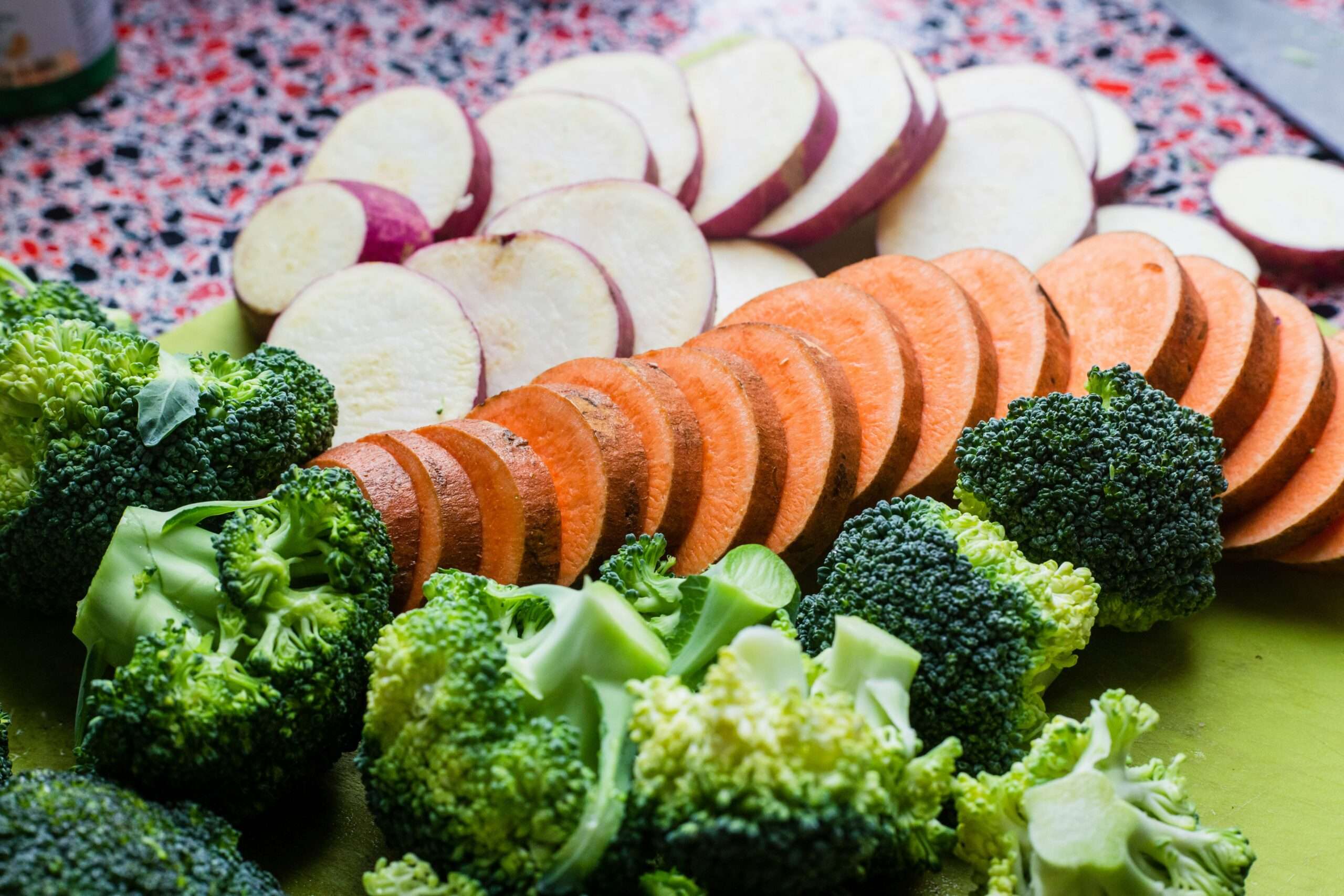
Eat small, frequent meals that are easy on the stomach. Include foods rich in fiber such as fruits, vegetables, and whole grains to help reduce acid production and promote healing.
Stay Hydrated:
Drink plenty of water throughout the day to help dilute stomach acid and keep the digestive system functioning smoothly.Manage Stress:
Practice relaxation techniques like deep breathing, meditation, or yoga to reduce stress, which can worsen ulcer symptoms by increasing stomach acid secretion.Quit Smoking:
Smoking impairs the stomach lining’s ability to heal and increases acid production, so quitting is crucial for ulcer recovery.Limit Alcohol Intake:
If you drink, do so in moderation as alcohol can irritate the stomach lining and delay healing.

Get Adequate Rest:
Proper sleep helps the body repair itself and strengthens the immune system, aiding in ulcer healing.Take Medications as Prescribed:
Use ulcer medications such as proton pump inhibitors (PPIs) or H2 blockers exactly as your doctor recommends to reduce acid and promote healing.
What to Avoid
Avoid Spicy and Acidic Foods:
Foods like chili, hot peppers, citrus fruits, and tomatoes can irritate the ulcer and worsen symptoms.Limit Caffeine and Carbonated Drinks:
Coffee, tea, and sodas can increase stomach acid production and aggravate ulcers.Steer Clear of NSAIDs:
Non-steroidal anti-inflammatory drugs such as ibuprofen and aspirin can damage the stomach lining and delay ulcer healing. Use only under medical guidance.Avoid Eating Late at Night:
Eating close to bedtime increases acid reflux risk, which can worsen ulcer symptoms.Reduce Stressors:
Avoid excessive work pressure or emotional stress as much as possible because stress can trigger flare-ups and slow healing.Avoid Excessive Alcohol Consumption:
High amounts of alcohol irritate the stomach lining and interfere with healing.
For a complete list of ulcer friendly foods, see this Mayo Clinic guide to the ulcer diet.
When should you see your doctor again?
You should schedule a follow-up visit if:
- Symptoms aren’t improving after 4 weeks.
- You’re experiencing new or worsening symptoms.
- You’re not sure if the ulcer has completely healed.
An endoscopy is often recommended to confirm healing, especially for stomach ulcers, as they’re less likely to be cancerous.
Conclusion
Healing from peptic ulcers is very possible but it takes persistence, awareness, and medical guidance. As a healthcare professional, I have seen patients who stick to their medication plan, improve their lifestyle, and follow up appropriately recover and avoid complications.
Recognizing the signs your ulcer is healing gives you the strength to stay on track and be proactive about your gut health.
FAQS
Yes, some people feel better before the ulcer fully heals. That’s why follow-up is important.
Absolutely. Chronic stress can increase stomach acid and slow the healing process.
Yes, if H. pylori isn’t completely treated or NSAIDs are reintroduced, ulcers can recur
Absolutely. Chronic stress can increase stomach acid and slow the healing process.
Most people notice improvement in symptoms such as reduced stomach pain, less bloating, and fewer episodes of nausea when an ulcer is healing. Appetite may return, and discomfort after meals usually decreases. However, the only reliable way to confirm healing is through a follow-up endoscopy or doctor’s evaluation, as symptoms alone don’t always reflect complete recovery.
No. Always complete your prescribed course, especially antibiotics for H. pylori.
🧑⚕️ About the Author
Dr. Asif, MBBS, MHPE
Dr. Asif is a licensed medical doctor and qualified medical educationist with a Master’s in Health Professions Education (MHPE) and 18 years of clinical experience. He specializes in gut health and mental wellness. Through his blogs, Dr. Asif shares evidence-based insights to empower readers with practical, trustworthy health information for a better, healthier life.
⚠️ Medical Disclaimer
This blog is intended for educational and informational purposes only. It is not a substitute for professional medical advice, diagnosis, or treatment. Always seek the advice of your physician or another qualified healthcare provider with any questions you may have regarding a medical condition. Never disregard or delay medical advice based on content you read here.
Leave a Reply